
Step-by-Step Guide to Geothermal Cooling for Large Homes
Imagine a home that stays refreshingly cool even on the hottest summer days, without the hefty energy bills that typically come with it. Geothermal cooling makes this a reality, offering a sustainable and cost-effective alternative to traditional air conditioning systems.
Geothermal cooling, also known as ground-source cooling, harnesses the earth's consistent underground temperature to cool your home. Unlike air conditioners that work by transferring heat from inside your home to the warmer outside air, geothermal systems use the ground as a heat sink. This method is significantly more efficient, leading to substantial home energy savings and a smaller carbon footprint. For homeowners with larger properties, the potential for both financial and environmental benefits is even greater.
Here’s a quick tip: Properly insulating your home is crucial for maximizing the efficiency of your geothermal cooling system. Ensure your walls, attic, and windows are well-insulated to minimize heat gain during the summer months, reducing the workload on your geothermal system and further boosting your energy efficiency.
A Step-by-Step Guide to Geothermal Cooling Installation for Large Homes
Implementing a geothermal cooling system in a large home requires careful planning and execution. While it's a complex process best handled by qualified professionals, understanding the steps involved will empower you to make informed decisions and ensure a smooth installation.
Step 1: Initial Consultation and Site Assessment
This crucial first step involves meeting with a certified geothermal installer. They will assess your property, taking into account factors such as: Home Size and Layout: A larger home requires a more extensive geothermal system. Soil Composition: Different soil types have varying thermal conductivity, impacting system efficiency. Local Climate: The severity of your summers will influence the cooling load calculation. Existing HVAC System (if any): Compatibility and potential for integration will be evaluated. Water Table Level: Essential for determining the feasibility of certain ground loop designs. Available Land Area: The size of your property dictates the type of ground loop system that can be installed.
The installer will then provide you with a detailed proposal outlining the recommended system type, estimated costs, and potential energy savings. Don't hesitate to ask questions and clarify any uncertainties.
Step 2: Ground Loop Design and Installation
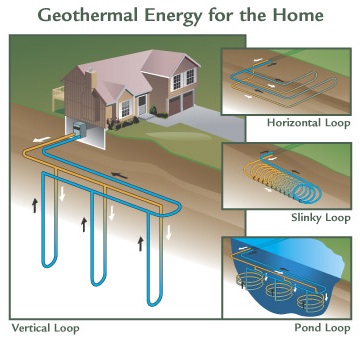
The ground loop is the heart of your geothermal system. It's a network of pipes buried in the ground that circulate a heat-transfer fluid. There are several types of ground loops, each suited to different property sizes and geological conditions: Horizontal Loops: These are typically used when ample land area is available. Pipes are buried horizontally in trenches, offering a relatively low installation cost. Vertical Loops: These are ideal for properties with limited space. Boreholes are drilled vertically, and pipes are inserted deep into the ground. Pond/Lake Loops:If you have a sizable pond or lake on your property, this option can be the most cost-effective. Pipes are submerged in the water, utilizing its stable temperature.
The design of the ground loop must be carefully engineered to ensure optimal heat transfer and system efficiency. Incorrectly sized or poorly installed ground loops can lead to performance issues and reduced energy savings. This stage is where expertise counts. Factors such as pipe material, loop length, and spacing between loops are all crucial considerations.
Step 3: Heat Pump Installation
The heat pump is the indoor unit that circulates the heat-transfer fluid and distributes cooled air throughout your home. Selecting the right heat pump size and type is critical for optimal performance. Your installer will consider your home's cooling load and the type of ground loop installed to recommend the best heat pump for your needs.
The heat pump is typically installed in your basement, utility room, or garage. It connects to the ground loop and your home's ductwork. Proper installation includes: Secure Mounting: Ensuring the unit is level and stable. Correct Piping Connections: Preventing leaks and ensuring efficient fluid circulation. Electrical Wiring: Connecting the heat pump to your home's electrical system according to local codes. Ductwork Integration: Seamlessly connecting the heat pump to your existing or new ductwork.
Step 4: System Integration and Testing
Once the ground loop and heat pump are installed, the system needs to be integrated and tested. This involves: Connecting the ground loop to the heat pump. Filling the ground loop with heat-transfer fluid. Checking for leaks and pressure testing the system. Calibrating the system to ensure optimal performance. Testing the system's cooling capacity and efficiency.
Your installer will also explain how to operate and maintain your geothermal cooling system. They will provide you with information on filter changes, thermostat settings, and other important maintenance tasks.
Step 5:Post-Installation Monitoring and Maintenance
After the installation is complete, it's essential to monitor your system's performance and schedule regular maintenance. This will help ensure that your geothermal cooling system continues to operate efficiently and reliably for years to come.
Monitor Energy Consumption: Track your energy bills to compare your actual savings to the estimated savings provided by your installer. Schedule Regular Maintenance: Have your system inspected and serviced annually by a qualified technician. Check Air Filters: Replace or clean your air filters regularly to maintain good airflow. Monitor Ground Loop Pressure: Check the pressure in your ground loop periodically to detect any potential leaks. Maintain Landscaping:Keep the area around your ground loop clear of trees and shrubs to prevent root damage.
By following these steps and working with qualified professionals, you can successfully install a geothermal cooling system in your large home and enjoy the benefits of sustainable and cost-effective cooling for years to come.
Benefits of Geothermal Cooling for Large Homes
The advantages of geothermal cooling extend far beyond simple temperature regulation. For large homes with significant cooling demands, these benefits become even more pronounced.
Significant Home Energy Savings: Geothermal systems are significantly more energy-efficient than traditional air conditioners, leading to substantial savings on your energy bills. Large homes with high cooling demands stand to benefit the most from this efficiency. Environmentally Friendly: Geothermal cooling reduces your carbon footprint by utilizing a renewable energy source – the earth's natural heat. This is especially impactful for large homes that typically consume more energy. Consistent Comfort: Geothermal systems provide more consistent and even cooling compared to traditional air conditioners, eliminating hot and cold spots throughout your home. Quiet Operation: Geothermal heat pumps operate much more quietly than traditional air conditioners, creating a more peaceful indoor environment. Long Lifespan: Geothermal systems have a longer lifespan than traditional HVAC systems, offering a greater return on investment over time. Increased Home Value: Installing a geothermal system can increase the value of your home, as it's a desirable feature for energy-conscious buyers. Reduced Maintenance:With fewer moving parts compared to traditional HVAC systems, geothermal systems require less maintenance and are less prone to breakdowns.
Understanding Ground Loop Options
The type of ground loop you choose will significantly impact the performance and cost of your geothermal cooling system. Understanding the different options available is crucial for making the right decision for your property.
Horizontal Ground Loops: These are the most common type of ground loop and are typically used when ample land is available. They are relatively easy to install and are often the most cost-effective option. However, they require a larger land area and may not be suitable for properties with limited space. Vertical Ground Loops: These are ideal for properties with limited space. They are more expensive to install than horizontal loops, but they require a smaller land area and can be more efficient in certain soil conditions. Pond/Lake Ground Loops:If you have a sizable pond or lake on your property, this can be the most cost-effective option. They are relatively easy to install and can be very efficient. However, they require a reliable water source and may not be suitable for all climates.
The choice depends on your specific property and geological conditions. A professional geothermal installer can help you determine the best option for your needs.
People Also Ask:
How much does a geothermal cooling system cost for a large home?
The cost of a geothermal cooling system varies depending on several factors, including the size of your home, the type of ground loop installed, and the complexity of the installation. Generally, you can expect to pay significantly more upfront compared to traditional AC systems. However, remember to factor in the long-term energy savings and potential government incentives, which can significantly offset the initial investment. Get quotes from several certified installers for the most accurate estimate.
How long does it take to install a geothermal cooling system?
The installation timeframe depends on the complexity of the project and the type of ground loop being installed. A horizontal ground loop installation may take a few days to a week, while a vertical ground loop installation could take several weeks. Your installer will provide you with a more accurate timeline during the initial consultation.
What maintenance is required for a geothermal cooling system?
Geothermal systems require less maintenance than traditional HVAC systems. However, regular maintenance is still essential for ensuring optimal performance and longevity. This includes changing air filters regularly, inspecting the ground loop periodically, and scheduling annual maintenance with a qualified technician.
Even the most daunting home projects become manageable with the right knowledge and resources. Geothermal cooling is a significant investment, but one that can deliver substantial returns in terms of energy savings, environmental responsibility, and lasting home comfort. Take the first step towards a cooler, greener future today.
Posting Komentar untuk "Step-by-Step Guide to Geothermal Cooling for Large Homes"