
How Geothermal Heating Functions in Small Cabins
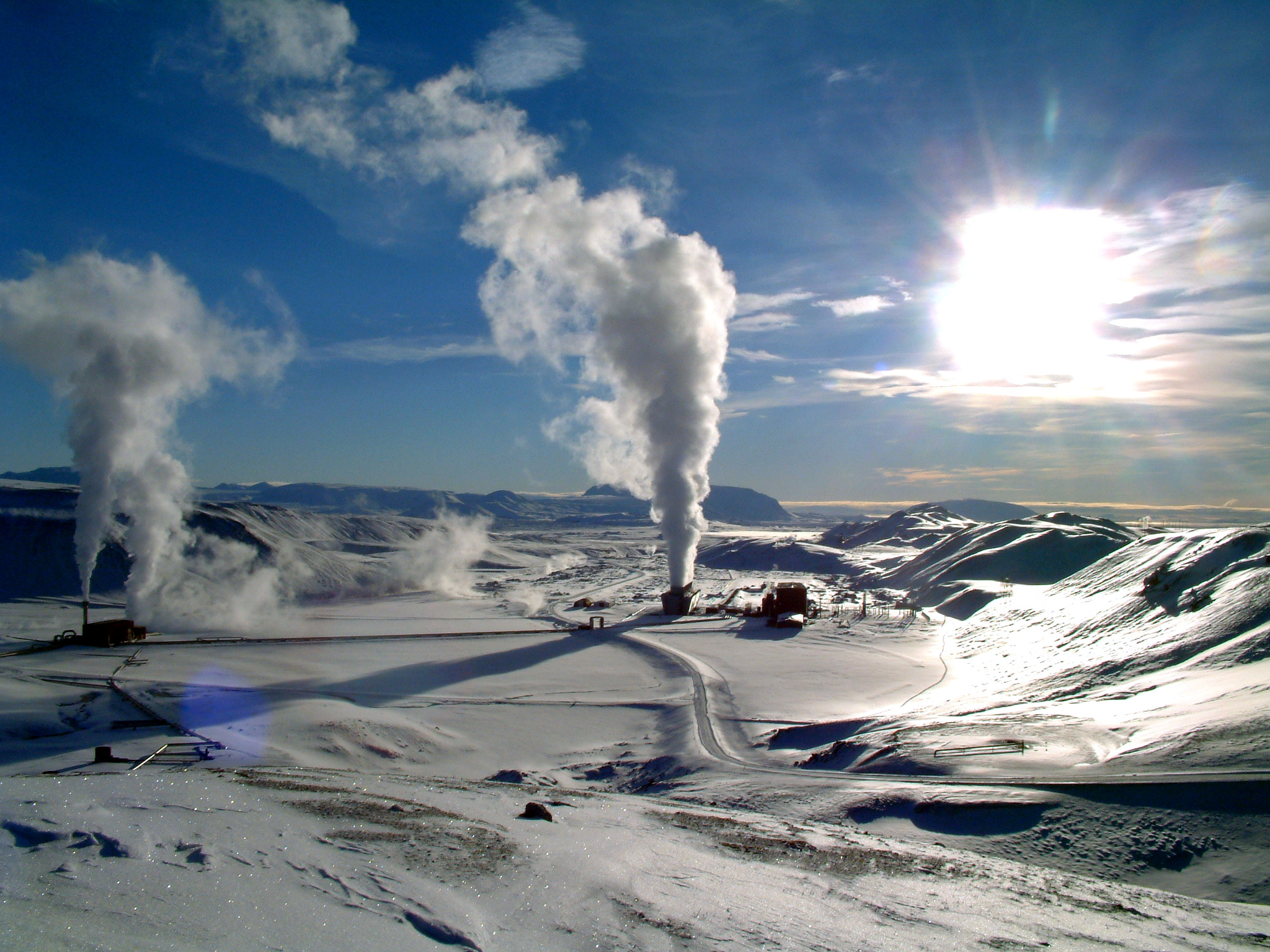
Imagine a cozy cabin nestled in the woods, consistently warm throughout the winter without exorbitant energy bills. Sounds idyllic, right? Geothermal heating makes this a reality, even in smaller spaces, by tapping into the Earth's consistent temperatures. The technology might seem complex, but understanding the fundamentals reveals its immense potential for sustainable and affordable home energy.
At its core, geothermal heating leverages the stable temperature of the earth a few feet below the surface. Unlike air temperature, which fluctuates drastically with the seasons, the ground maintains a relatively constant temperature year-round. A geothermal system uses this stable ground temperature to heat your cabin in the winter and cool it in the summer, making it an incredibly efficient and environmentally friendly alternative to traditional heating and cooling methods. This matters to homeowners looking to reduce their carbon footprint, lower energy bills, and enjoy a more comfortable living environment.
One crucial aspect of optimizing geothermal heating for a small cabin is properly sizing the system. An undersized system won't effectively heat the space, while an oversized system will cycle on and off too frequently, reducing efficiency and potentially shortening the lifespan of the equipment. Consult with a qualified geothermal installer who can assess your cabin's specific heating and cooling needs based on its size, insulation, climate, and other factors.
Geothermal Heating Basics for Cabins
Geothermal heating, also known as ground source heating, isn't about tapping into volcanic heat or geysers. It's about utilizing the earth's consistent temperature. This temperature, typically between 45°F and 75°F (7°C and 24°C), exists just a few feet underground, regardless of the air temperature. A geothermal system uses a ground loop, a network of pipes buried in the ground, to circulate a heat-transfer fluid. This fluid absorbs heat from the earth in the winter and transfers it to the cabin via a heat pump. In the summer, the process reverses, and the system pulls heat from the cabin and transfers it back into the ground, providing cooling.
This process is remarkably energy-efficient. For every unit of electricity used to power the heat pump, the system can deliver three to five units of heat. This efficiency translates directly into lower energy bills and a reduced environmental impact compared to traditional heating and cooling systems that rely on fossil fuels. For a small cabin, this efficiency is even more pronounced, as the heating and cooling load is typically lower than in a larger home.
Understanding Ground Loops: The Heart of Geothermal
The ground loop is arguably the most critical component of a geothermal system. It's responsible for transferring heat between the earth and the heat pump. There are several types of ground loops, each suited to different soil conditions and space constraints: Horizontal Loops: These are the most common type, especially for residential applications. They involve burying pipes horizontally in trenches, typically a few feet below the surface. Horizontal loops require sufficient land area. Vertical Loops: These loops involve drilling vertical boreholes and inserting pipes into the ground. Vertical loops are ideal for properties with limited land area, as they require less surface space than horizontal loops. Pond/Lake Loops:If your cabin is near a pond or lake, you might be able to use a pond/lake loop. This involves submerging coils of pipe underwater. Pond/lake loops are often the most cost-effective option, but they require a reliable water source and adherence to local regulations.
Choosing the right type of ground loop is crucial for the system's performance and longevity. A geothermal installer can assess your property and recommend the most suitable option.
The Role of the Heat Pump
The heat pump is the indoor unit that circulates air and distributes heat (or cool air) throughout your cabin. It operates similarly to a refrigerator, using a refrigerant to absorb and release heat. In heating mode, the refrigerant absorbs heat from the heat-transfer fluid coming from the ground loop and transfers it to the air circulating through the cabin. In cooling mode, the process reverses, and the refrigerant absorbs heat from the cabin air and transfers it to the ground.
Heat pumps come in various sizes and configurations to suit different heating and cooling needs. A qualified installer will select a heat pump that's properly sized for your cabin's heating and cooling load, ensuring optimal efficiency and comfort.
Benefits of Geothermal Heating in a Small Cabin
Geothermal heating offers numerous advantages for small cabins, making it a compelling alternative to traditional heating and cooling systems. Beyond the obvious energy savings, consider the long-term benefits to your property value and comfort.
One of the most significant benefits isenergy efficiency. Geothermal systems are significantly more efficient than traditional furnaces and air conditioners, which translates to lower energy bills. This is particularly advantageous for cabins, where energy costs can be a concern, especially during colder months.
Reduced environmental impact is another key benefit. Geothermal systems rely on a renewable energy source (the earth's natural heat) rather than fossil fuels. This reduces your carbon footprint and contributes to a more sustainable environment.
Consistent comfort is a hallmark of geothermal heating. The system provides even heating and cooling throughout the cabin, eliminating hot and cold spots. This ensures a comfortable living environment regardless of the outdoor temperature.
Quiet operation is an often-overlooked advantage. Geothermal systems are significantly quieter than traditional furnaces and air conditioners. The heat pump is typically located indoors, but it operates with minimal noise.
Increased property value is a long-term benefit. Geothermal systems are a valuable asset that can increase your cabin's resale value. Buyers are increasingly interested in energy-efficient homes, and a geothermal system can be a significant selling point.
Long lifespan and low maintenance are additional benefits. Geothermal systems are known for their durability and longevity. The ground loop can last for 50 years or more, while the heat pump typically lasts for 15-20 years. The systems also require minimal maintenance, saving you time and money.
Installation Considerations for Cabins
Installing a geothermal system in a small cabin requires careful planning and consideration. Before diving in, evaluate the suitability of your property and understand the installation process.
Site Assessment:The first step is to assess your property's suitability for a geothermal system. This involves evaluating the soil conditions, available land area, and proximity to water sources (if considering a pond/lake loop). A qualified geothermal installer can conduct a site assessment to determine the best type of ground loop for your property.
Sizing the System: Properly sizing the system is crucial for optimal performance. The installer will calculate your cabin's heating and cooling load based on its size, insulation, climate, and other factors. This will ensure that the system is neither undersized nor oversized.
Ground Loop Installation: The ground loop installation is the most significant part of the process. It involves digging trenches (for horizontal loops), drilling boreholes (for vertical loops), or submerging pipes in a pond/lake (for pond/lake loops). The installation process can be disruptive, so it's important to plan accordingly.
Heat Pump Installation: Once the ground loop is installed, the heat pump is installed indoors. The heat pump is connected to the ground loop and the cabin's ductwork.
System Startup and Testing: After the installation is complete, the system is started up and tested to ensure that it's operating properly. The installer will also provide training on how to operate and maintain the system.
Permits and Regulations: Check with your local authorities to determine if any permits or regulations apply to geothermal installations.
How to Budget for Geothermal Installation
Geothermal installation represents a notable upfront investment, but strategic planning helps you navigate costs and capitalize on long-term savings. Research local rebates and incentives, compare quotes from multiple qualified installers, and explore financing options tailored to green energy projects. Prioritize reputable installers with proven experience in your region to ensure a reliable and efficient system.
Optimizing Geothermal Efficiency in Your Cabin
Once your geothermal system is installed, there are several ways to optimize its efficiency and maximize your energy savings. Small changes in your habits can make a big difference to home energy savings.
Proper Insulation: Ensuring your cabin is well-insulated is crucial for maximizing geothermal efficiency. Proper insulation helps to keep heat in during the winter and out during the summer, reducing the workload on the geothermal system.
Programmable Thermostat: A programmable thermostat allows you to set different temperatures for different times of the day. This can help to save energy by reducing heating and cooling when you're not at home.
Regular Maintenance: Regular maintenance is essential for ensuring the long-term efficiency and reliability of your geothermal system. This includes cleaning or replacing air filters, inspecting the ground loop, and checking the refrigerant levels.
Landscaping Considerations: The landscaping around your ground loop can affect its performance. Avoid planting trees or shrubs directly above the ground loop, as their roots can damage the pipes.
Air Sealing: Air leaks can significantly reduce the efficiency of your heating and cooling system. Seal any air leaks around windows, doors, and other openings to prevent heat loss or gain.
Ground Loop Maintenance Tips
Although buried, the ground loop still benefits from periodic checks. Watch for any signs of leaks or reduced performance, and consult with your installer for professional inspections every few years. Proper maintenance ensures optimal heat transfer and extends the lifespan of your system.
Troubleshooting Common Geothermal Issues
Even with proper installation and maintenance, geothermal systems can sometimes experience issues. Knowing how to troubleshoot common problems can save you time and money.
Reduced Heating or Cooling: If you notice a decrease in heating or cooling performance, check the air filter first. A dirty air filter can restrict airflow and reduce the system's efficiency. If the air filter is clean, contact a qualified technician to inspect the system for other potential issues.
Unusual Noises: Unusual noises, such as banging or hissing sounds, can indicate a problem with the heat pump. Contact a qualified technician to diagnose and repair the issue.
System Not Turning On: If the system doesn't turn on, check the circuit breaker to ensure that it hasn't tripped. If the circuit breaker is fine, contact a qualified technician to troubleshoot the problem.
Frozen Ground Loop: In extremely cold climates, the ground loop can sometimes freeze. This can damage the system and reduce its efficiency. To prevent freezing, ensure that the system is properly insulated and that the heat-transfer fluid is properly formulated.
Leaks: Leaks in the ground loop or heat pump can reduce the system's efficiency and damage the equipment. If you suspect a leak, contact a qualified technician to locate and repair the leak.
People Also Ask (FAQs)
How much does it cost to install a geothermal system in a small cabin? The cost varies depending on the size of the cabin, the type of ground loop, and the local market conditions. Expect to pay between $15,000 and $35,000 for a complete system installation. How long does it take to install a geothermal system? The installation process typically takes a few days to a week, depending on the complexity of the project. Are there any tax credits or rebates available for geothermal installations? Yes, there are often federal, state, and local tax credits and rebates available for geothermal installations. Check with your local authorities and the Database of State Incentives for Renewables & Efficiency (DSIRE) for more information. How does geothermal compare to other heating and cooling systems? Geothermal systems are more energy-efficient and environmentally friendly than traditional heating and cooling systems. While the upfront cost is higher, the long-term energy savings can offset the initial investment. Can I install a geothermal system myself? It is not recommended to install a geothermal system yourself. Geothermal installations require specialized knowledge and equipment. It's best to hire a qualified geothermal installer to ensure that the system is installed properly and safely.
With a carefully planned installation and consistent maintenance, geothermal heating can transform your small cabin into a haven of energy efficiency and comfort. Embrace the potential of sustainable home energy and enjoy the cozy warmth of a system that works in harmony with nature. You're making a smart investment in your property, your comfort, and a greener future.
Posting Komentar untuk "How Geothermal Heating Functions in Small Cabins"