
Step-by-Step Guide to Efficient Geothermal Cooling
Imagine slashing your summer cooling bills by up to 70% while simultaneously minimizing your carbon footprint. Sound too good to be true? It’s not – it’s the power of efficient geothermal cooling.
Geothermal cooling, also known as ground-source cooling, leverages the earth's stable underground temperatures to provide a remarkably efficient and environmentally friendly alternative to traditional air conditioning systems. Unlike conventional AC units that work harder as outside temperatures rise, geothermal systems tap into a constant, moderate temperature just a few feet below the surface, significantly reducing the energy required to cool your home. This guide will walk you through the essential steps to optimize your geothermal system for peak cooling performance and maximum home energy savings.
Here's the first key takeaway: ensuring proper airflow throughout your home. Clear vents and regularly replace your air filters. You'd be surprised what a difference that makes!
Step-by-Step Guide to Efficient Geothermal Cooling
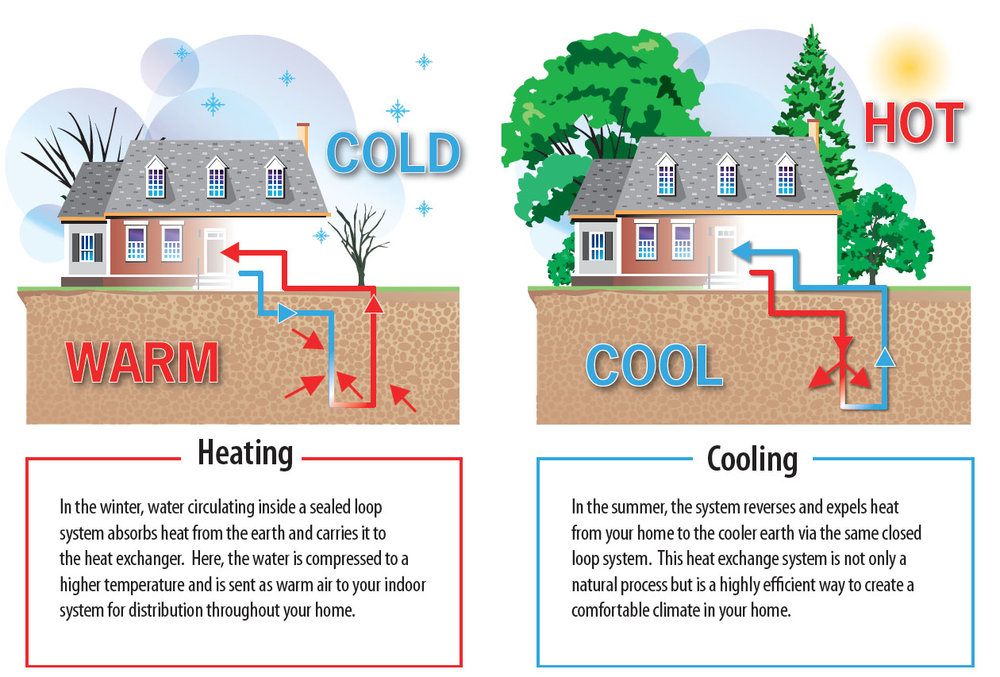
Geothermal cooling works by transferring heat from your home into the ground during the summer. A network of underground pipes, called a ground loop, circulates a fluid (usually water or a water-antifreeze mixture) that absorbs heat from your home's air and then releases it into the earth. The cooler fluid then returns to your home to repeat the cycle. The efficiency of this process hinges on several factors, from system design and installation to regular maintenance and smart usage. This guide will cover each crucial step.
1. Understanding Your Geothermal System
Before optimizing your system, you need a solid understanding of its components and how they interact.
The Ground Loop: This is the heart of your system. It can be horizontal (trenched or coiled), vertical (boreholes), or pond/lake loops. The type of loop affects efficiency and maintenance requirements. The Heat Pump: This unit extracts heat from the fluid circulating through the ground loop and transfers it to your home during heating or extracts heat from your home and transfers it to the loop during cooling. The Air Delivery System: This includes your ductwork, vents, and blower, which distribute cooled air throughout your home. The Thermostat: This controls the heat pump's operation based on your desired temperature settings.
Knowing the specifics of your system—the manufacturer, model number, installation date, and loop type—will be invaluable for troubleshooting and maintenance. If you don't have this information readily available, check your system documentation or contact the installer.
2. Optimizing Thermostat Settings
Your thermostat is your primary interface for controlling your geothermal system. Setting it correctly is crucial for efficient cooling.
Set a Comfortable, Consistent Temperature: Avoid drastically lowering the thermostat when you arrive home. Geothermal systems are most efficient when maintaining a consistent temperature. A difference of a few degrees is usually sufficient. Use a Programmable Thermostat: Program your thermostat to automatically adjust the temperature when you’re away or asleep. Increasing the temperature by a few degrees while you’re at work can significantly reduce energy consumption. Avoid "Auto" Mode (Sometimes): While "Auto" mode (switching between heating and cooling) seems convenient, it can lead to unnecessary energy consumption, especially during shoulder seasons when temperatures fluctuate. Consider manually switching between heating and cooling modes as needed. Fan Settings: Experiment with fan settings. "Auto" generally saves energy, but running the fan continuously can improve air circulation and even out temperatures, especially in homes with poor ductwork.
Think of your thermostat as the brain of your system. Smart, thoughtful settings yield impressive home energy savings.
3. Ensuring Proper Airflow
Restricted airflow forces your geothermal system to work harder, reducing its efficiency and potentially shortening its lifespan.
Change Air Filters Regularly: This is arguably the most important maintenance task. Dirty air filters restrict airflow, making your system less efficient and potentially damaging the blower motor. Check your filters monthly and replace them as needed (usually every 1-3 months). Clean Air Vents and Registers: Dust and debris can accumulate in vents and registers, blocking airflow. Vacuum them regularly to ensure optimal circulation. Check Ductwork for Leaks: Leaky ductwork wastes conditioned air, forcing your system to work harder to maintain the desired temperature. Inspect your ductwork for visible leaks and seal them with duct tape or mastic sealant. For more extensive leaks, consider hiring a professional to seal your ducts. Ensure Proper Insulation: Adequate insulation in your attic, walls, and floors helps keep your home cool in the summer and warm in the winter, reducing the load on your geothermal system.
Proper airflow allows your geothermal system to breathe, maximizing its cooling power and extending its lifespan.
4. Ground Loop Maintenance
While the ground loop is buried underground and requires minimal maintenance, it's essential to ensure its proper function.
Monitor Loop Pressure: Periodically check the pressure in your ground loop. A significant drop in pressure could indicate a leak. Consult with a qualified geothermal technician to diagnose and repair any leaks. Consider Loop Flushing: Over time, sediment and debris can accumulate in the ground loop, reducing its efficiency. Consider having your ground loop flushed every 5-10 years to remove these deposits. A professional technician can perform this service. Avoid Disturbing the Ground Around the Loop:Refrain from planting trees or constructing structures directly above the ground loop, as this could damage the pipes or interfere with heat exchange.
Think of your ground loop as the silent workhorse of your geothermal system. Give it the respect it deserves.
5. Smart Home Integration
Integrating your geothermal system with smart home technology can further enhance its efficiency and convenience.
Smart Thermostats: Smart thermostats learn your habits and automatically adjust the temperature to optimize energy savings. Many models offer remote control via a smartphone app, allowing you to adjust the temperature from anywhere. Zoned Cooling: Zoned cooling systems allow you to control the temperature in different areas of your home independently. This can be particularly useful if you have rooms that are rarely used or that tend to be hotter or cooler than others. Energy Monitoring Systems:Energy monitoring systems track your energy consumption in real-time, providing valuable insights into how you can reduce your energy bills. Some systems can even identify specific appliances or devices that are consuming excessive energy.
Smart home technology empowers you to take control of your energy consumption and optimize your geothermal system's performance.
6. Professional Maintenance and Tune-Ups
Even with diligent self-maintenance, it's essential to schedule regular professional maintenance and tune-ups for your geothermal system.
Annual Inspections: A qualified geothermal technician can inspect your system for potential problems, such as leaks, refrigerant levels, and electrical issues. Performance Testing: A technician can perform performance testing to ensure that your system is operating at peak efficiency. Component Cleaning and Lubrication:Cleaning and lubricating moving parts can improve efficiency and extend the lifespan of your system.
Regular professional maintenance ensures that your geothermal system is running smoothly and efficiently, preventing costly repairs down the road.
7. Maximizing Shading and Insulation
Reducing heat gain in your home is just as important as efficient cooling. By minimizing the amount of heat that enters your home, you can reduce the load on your geothermal system and further lower your energy bills.
Plant Trees and Shrubs: Planting trees and shrubs around your home can provide shade, reducing the amount of sunlight that enters your windows and walls. Install Window Coverings: Blinds, curtains, and shades can block sunlight and reduce heat gain. Consider using blackout curtains in rooms that receive a lot of direct sunlight. Improve Insulation:Adequate insulation in your attic, walls, and floors helps keep heat out in the summer and in during the winter, reducing the load on your geothermal system.
These steps are simple ways to significantly enhance your overall energy efficiency and reduce your reliance on cooling systems.
8. Understanding Geothermal Cooling Costs and ROI
While the initial investment in a geothermal system can be higher than that of a traditional air conditioning system, the long-term cost savings can be substantial.
Reduced Energy Bills: Geothermal systems are significantly more energy-efficient than traditional AC units, resulting in lower energy bills. Government Incentives and Rebates: Many governments and utility companies offer incentives and rebates for installing geothermal systems. Research available programs in your area. Increased Home Value: A geothermal system can increase the value of your home, making it a more attractive selling point. Long Lifespan: Geothermal systems typically have a longer lifespan than traditional AC units, reducing the need for frequent replacements.
Remember, geothermal represents a smart, sustainable investment. Consider these factors when evaluating the long-term financial benefits.
9. Troubleshooting Common Geothermal Cooling Problems
Even with proper maintenance, geothermal systems can occasionally experience problems. Here are some common issues and potential solutions: Insufficient Cooling: Check your thermostat settings, air filters, and ductwork for airflow restrictions. If the problem persists, consult with a qualified technician. System Not Turning On: Check the circuit breaker and thermostat settings. If the system still doesn't turn on, contact a technician. Unusual Noises: Unusual noises could indicate a problem with the blower motor, compressor, or other components. Contact a technician for diagnosis and repair. High Energy Bills: High energy bills could indicate a problem with system efficiency. Schedule a professional inspection to identify and address any issues.
Knowing these basics can help you quickly identify and resolve common problems.
Geothermal Cooling FAQs
Here are some frequently asked questions to give you more clarity on geothermal cooling systems:
How long do geothermal cooling systems typically last?
Geothermal heat pumps typically last 20-25 years, while the ground loop itself can last for 50 years or more. Proper maintenance is key to maximizing lifespan.
Is geothermal cooling suitable for all climates?
Yes, geothermal cooling is effective in a wide range of climates. Because it utilizes the earth’s consistent temperature, its performance is less affected by extreme outdoor temperatures compared to traditional air conditioners.
Does geothermal cooling require a lot of land?
The land requirement depends on the type of ground loop used. Vertical loops require the least amount of land, while horizontal loops require more. Pond/lake loops are an option if you have access to a suitable body of water.
What are the environmental benefits of geothermal cooling?
Geothermal cooling is a sustainable option that reduces your carbon footprint by using a renewable energy source, lowering greenhouse gas emissions, and minimizing reliance on fossil fuels.
How does geothermal cooling compare to traditional air conditioning in terms of energy efficiency?
Geothermal cooling is significantly more energy-efficient than traditional air conditioning, often reducing energy consumption by 25%-50%. This is because it leverages the earth’s consistent underground temperature, requiring less energy to cool your home.
By following these steps and tips, you can unlock the full potential of your geothermal cooling system and enjoy significant energy savings, enhanced comfort, and a reduced environmental footprint. You've made a great choice in sustainable home energy, and with just a little knowledge and effort, you can ensure your geothermal system continues to provide efficient and reliable cooling for years to come.
Posting Komentar untuk "Step-by-Step Guide to Efficient Geothermal Cooling"