
How Geothermal Systems Function in Urban Areas
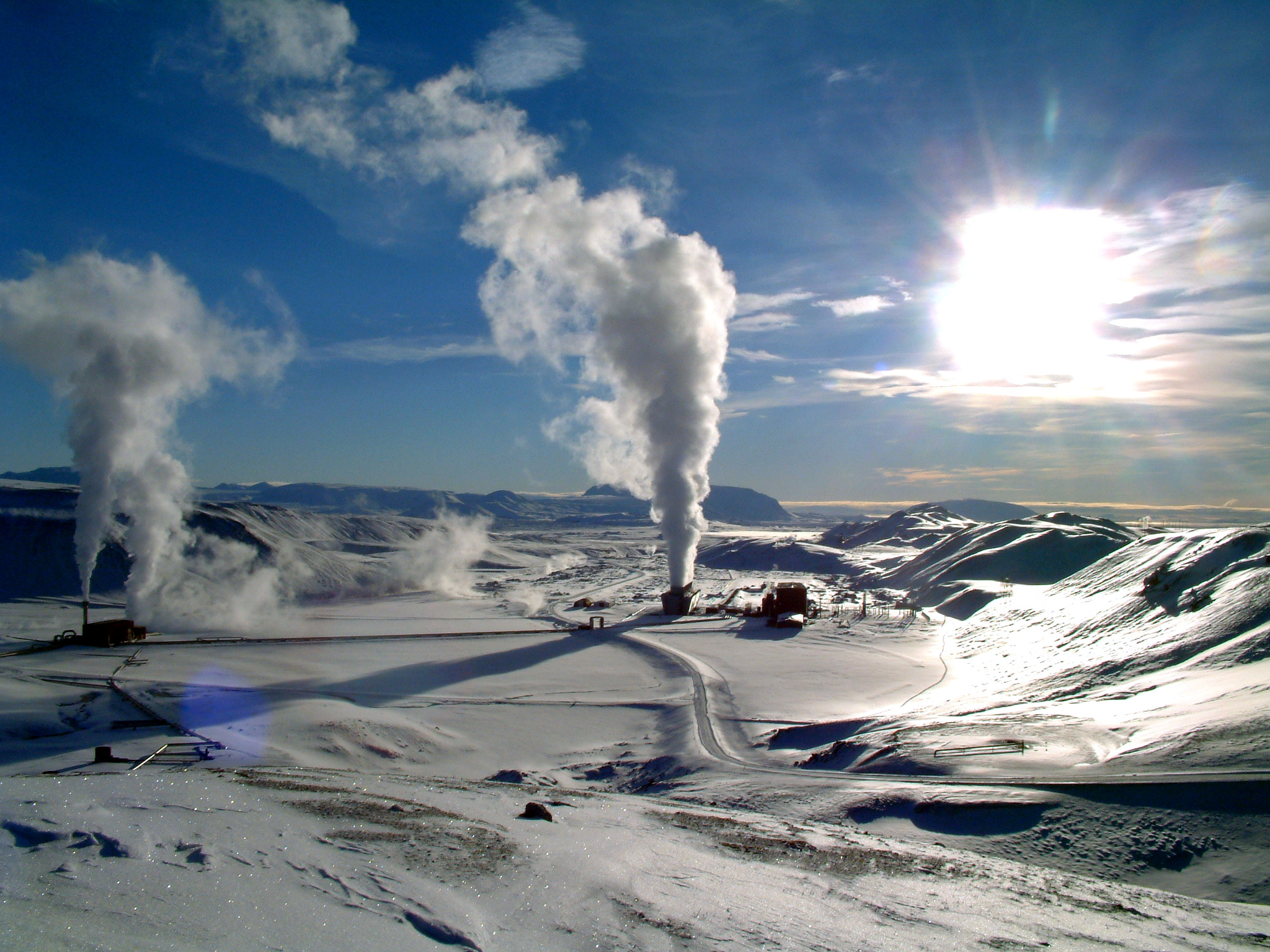
Imagine tapping into a stable, consistent energy source right beneath your feet – regardless of the weather outside. It's not science fiction; it’s the reality of geothermal technology, and it's becoming increasingly viable even in densely populated urban environments.
Geothermal systems harness the Earth's natural heat to provide efficient heating and cooling for homes and businesses. What makes this particularly relevant in urban areas, where space is at a premium and energy demands are high, is the innovative ways these systems are being adapted to fit within the constraints of city living. Understanding how geothermal functions in urban settings is crucial for anyone looking to reduce their carbon footprint and achieve significant home energy savings.
One of the most effective steps you can take towards exploring geothermal options is to schedule a professional energy audit. This will give you a clear picture of your current energy consumption and help determine the feasibility of a geothermal installation for your specific property.
Geothermal Energy in the City: How It Works
The core principle behind geothermal heating and cooling is remarkably simple: the Earth maintains a relatively constant temperature a few feet below the surface, regardless of seasonal changes. Geothermal systems leverage this stable temperature to transfer heat either to or from your building. This is done using a ground loop, a network of pipes buried in the ground that circulates a heat-transfer fluid, usually water or a water-antifreeze mixture.
In the winter, the fluid absorbs heat from the warmer Earth and carries it to a geothermal heat pump inside your building. The heat pump then concentrates this heat and distributes it throughout your home or office. In the summer, the process is reversed. The system pulls heat from your building and transfers it to the cooler Earth, effectively providing air conditioning.
The magic lies in the efficiency. Because the Earth provides a consistent temperature source, geothermal systems are significantly more energy-efficient than traditional heating and cooling systems that rely on burning fossil fuels or using electricity to generate heat or cold from scratch. This translates to substantial savings on your energy bills and a smaller environmental impact.
Types of Geothermal Systems Suitable for Urban Areas
While the basic principles remain the same, the specific type of geothermal system best suited for an urban environment depends on factors such as available space, soil conditions, and local regulations. Here are some common options: Vertical Ground Loops: These are the most common choice in urban areas where land is limited. Vertical loops involve drilling deep, narrow boreholes (typically 150-400 feet deep) and inserting U-shaped pipes into the holes. This minimizes the surface area required for installation. Horizontal Ground Loops: While less common in densely populated areas due to space requirements, horizontal loops can be feasible if there's sufficient open land. They involve burying pipes horizontally in trenches, usually at a depth of 4-8 feet. Pond/Lake Loops: If a suitable body of water is nearby, a closed-loop system can be submerged in the water. The water acts as the heat source and sink. This option can be highly cost-effective if the water source is readily available. Direct Use Systems: In some urban areas, particularly those with naturally occurring geothermal resources, direct-use systems can be employed. These systems tap directly into hot water or steam sources for heating or electricity generation. This requires careful geological assessment and is less common for individual residential applications.
Overcoming the Challenges of Urban Geothermal Installation
Installing geothermal systems in urban areas presents unique challenges. Limited space, underground utilities, and strict building codes are all factors that need to be carefully considered. However, advancements in drilling technology and innovative system designs are making geothermal increasingly accessible in cities.
Space Constraints: Vertical ground loops are particularly well-suited to urban environments because they require a minimal footprint. Careful planning and efficient use of available space are essential. Underground Utilities: Before any drilling or excavation takes place, it's crucial to conduct a thorough survey of underground utilities to avoid damaging water pipes, gas lines, or electrical cables. Building Codes and Permits: Urban areas often have stricter building codes and permitting requirements than rural areas. It's important to work with a qualified geothermal installer who is familiar with local regulations and can navigate the permitting process smoothly. Noise and Disruption: Drilling operations can be noisy and disruptive. Minimizing noise levels and coordinating work schedules with residents and businesses are crucial for maintaining good community relations.
Benefits of Geothermal Systems in Urban Environments
Despite the challenges, the benefits of geothermal heating and cooling in urban areas are significant. These systems offer a sustainable, cost-effective, and environmentally friendly alternative to traditional heating and cooling methods.
Energy Efficiency and Cost Savings: Geothermal systems are significantly more energy-efficient than traditional systems, resulting in lower energy bills. This is especially important in urban areas, where energy costs tend to be higher. Reduced Carbon Footprint: By utilizing a renewable energy source, geothermal systems help reduce reliance on fossil fuels and lower carbon emissions. This contributes to a cleaner and healthier urban environment. Improved Air Quality: Geothermal systems do not burn fossil fuels, which means they don't produce harmful air pollutants. This can improve air quality in urban areas, where air pollution is often a concern. Quiet Operation: Geothermal heat pumps operate much more quietly than traditional air conditioners, reducing noise pollution in urban neighborhoods. Increased Property Value:Installing a geothermal system can increase the value of your property, as it's seen as a desirable and sustainable feature.
Ground Loop Maintenance: Ensuring Long-Term Performance
Maintaining a geothermal system's ground loop is essential for ensuring its long-term performance and efficiency. While ground loops are typically very durable and require minimal maintenance, regular inspections and preventative measures can help prolong their lifespan. Here are some key considerations: Fluid Levels: Regularly check the fluid levels in the ground loop to ensure they are within the recommended range. Low fluid levels can reduce the system's efficiency. Leak Detection: Inspect the ground loop connections and pipes for any signs of leaks. Address any leaks promptly to prevent fluid loss and potential damage. Filter Cleaning: Clean or replace the air filters in the geothermal heat pump regularly to maintain good airflow and prevent dust and debris from accumulating in the system. Professional Inspections: Schedule regular professional inspections of the ground loop and heat pump to identify any potential problems early on. A qualified technician can assess the system's performance and recommend any necessary maintenance or repairs. Avoid Disturbing the Ground:Avoid digging or planting trees near the ground loop, as this can damage the pipes. Be mindful of any construction or landscaping activities that could potentially affect the system.
Financing Options and Incentives for Urban Geothermal Installations
The initial cost of installing a geothermal system can be higher than that of traditional systems. However, various financing options and incentives are available to help offset the cost and make geothermal more accessible to urban homeowners and businesses.
Federal Tax Credits: The federal government offers tax credits for the installation of geothermal systems. These credits can significantly reduce the overall cost of the project. State and Local Incentives: Many states and local governments offer additional incentives, such as rebates, grants, and low-interest loans, to encourage the adoption of geothermal technology. Utility Company Programs: Some utility companies offer programs that provide financial assistance or rebates for geothermal installations. Financing Options: Explore various financing options, such as home equity loans, personal loans, and green energy loans, to help cover the upfront costs of the project.
Taking the Next Step Towards Sustainable Urban Energy
Exploring geothermal energy in urban areas isn't just about embracing a cutting-edge technology; it's about making a conscious decision to reduce your environmental impact and invest in a more sustainable future. With proper planning, expert installation, and ongoing maintenance, geothermal systems can provide reliable, cost-effective, and environmentally friendly heating and cooling for your home or business, even in the heart of the city.
You don't have to be an energy expert to make a difference. Start by researching local geothermal installers, exploring financing options, and educating yourself about the benefits of this remarkable technology. You might be surprised at how easily you can unlock the Earth's natural energy and create a more sustainable and comfortable urban living space.
FAQ: Your Questions About Urban Geothermal, Answered
Is geothermal feasible for apartments or condos in urban areas?
Yes, geothermal can be feasible for apartments and condos, especially in new construction projects where geothermal systems can be integrated during the building's design phase. Retrofitting existing buildings can be more challenging but is still possible, often through shared ground loop systems serving multiple units.
How deep do they have to drill for vertical geothermal systems in cities?
The depth typically ranges from 150 to 400 feet per borehole. The exact depth depends on factors such as the building's heating and cooling load, the thermal conductivity of the soil, and local geological conditions.
What happens if they hit groundwater while drilling for a geothermal system?
Encountering groundwater during drilling is a common occurrence and is generally not a major problem. The drilling process is designed to manage groundwater effectively, and the ground loop system is sealed to prevent contamination. In some cases, groundwater can even enhance the system's performance by improving heat transfer.
Posting Komentar untuk "How Geothermal Systems Function in Urban Areas"