
How Geothermal Heating Works with Radiant Floor Systems
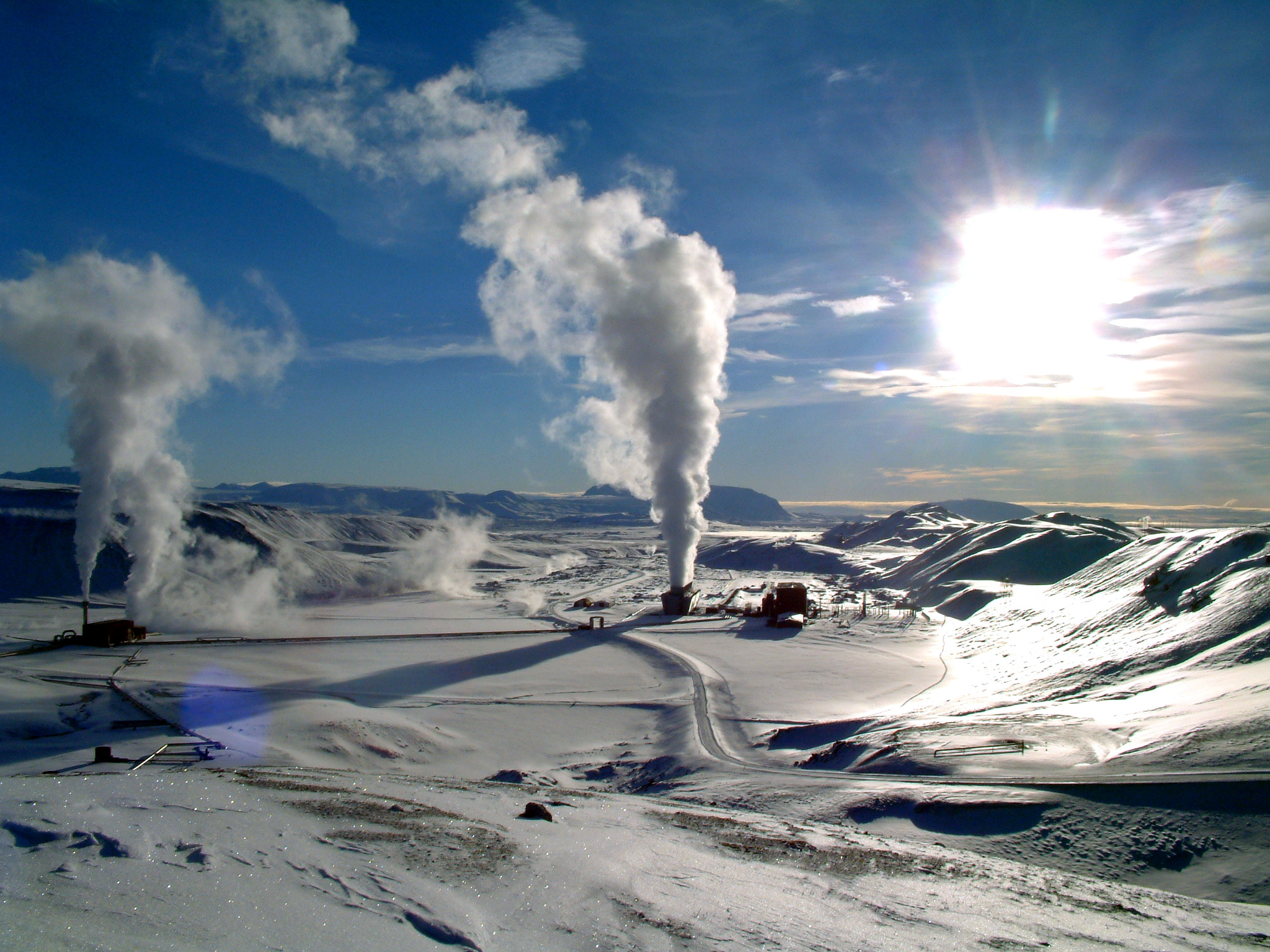
Imagine a heating system so efficient, it feels like the earth itself is keeping you warm all winter long. That's the promise of geothermal heating, and when paired with radiant floor systems, it becomes a symphony of sustainable comfort.
Geothermal heating extracts heat from the earth, a naturally renewable source, to warm your home. Radiant floor systems then distribute that heat evenly underfoot, creating a cozy and energy-efficient living space. Combining these two technologies offers unparalleled comfort, significant home energy savings, and a reduced carbon footprint – a win-win for both your wallet and the planet.
One simple yet impactful step you can take today is to assess your home's insulation. Proper insulation minimizes heat loss, maximizing the efficiency of your geothermal radiant floor system. This ensures you’re not wasting valuable heat, further reducing your energy consumption and costs.
How Geothermal Heating Works with Radiant Floor Systems
Geothermal heating taps into the earth’s stable temperature to provide heating, cooling, and even hot water for your home. Unlike traditional furnaces that burn fossil fuels, geothermal systems use a ground loop, a network of pipes buried in the ground, to transfer heat. In winter, the ground loop absorbs heat from the earth and transfers it to a geothermal heat pump. The heat pump then concentrates and delivers this heat to your home.
Radiant floor systems, on the other hand, are a method of heating a building by circulating warm water through tubes embedded in the floor. This creates a large, evenly heated surface that radiates heat upwards, warming the room from the ground up. This method is significantly more efficient and comfortable than forced-air systems, which can create drafts and uneven temperature distribution.
Combining these two technologies is where the magic happens. The geothermal heat pump provides the warm water that circulates through the radiant floor system, creating a highly efficient and comfortable heating solution. It’s a marriage of renewable energy and smart design.
Benefits of Combining Geothermal and Radiant Heating
The advantages of integrating geothermal and radiant floor heating extend beyond mere comfort. They offer a compelling combination of environmental and economic benefits that make them an increasingly attractive option for homeowners.
Enhanced Energy Efficiency: Geothermal systems are inherently more energy-efficient than traditional heating methods, and radiant floor heating is more efficient than forced air. Combining them maximizes these efficiencies, resulting in significant energy savings. Reduced Energy Bills: Lower energy consumption translates directly into lower monthly energy bills. The savings can be substantial over the lifespan of the system. Consistent Comfort: Radiant floor heating provides a consistent and even temperature throughout the room, eliminating cold spots and drafts. Quiet Operation: Unlike noisy furnaces, geothermal heat pumps and radiant floor systems operate quietly, creating a more peaceful home environment. Increased Home Value: Installing a geothermal and radiant floor heating system can increase the value of your home, making it more attractive to potential buyers. Environmentally Friendly: Geothermal energy is a renewable resource, and radiant floor heating reduces energy consumption. This combination contributes to a smaller carbon footprint and a more sustainable lifestyle. Improved Air Quality:Radiant floor heating doesn't circulate dust and allergens like forced-air systems, leading to improved indoor air quality.
Designing and Installing a Geothermal Radiant Floor System
Careful planning and professional installation are crucial for optimal performance. The design process needs to consider several factors: Heat Load Calculation: A professional will perform a heat load calculation to determine the heating requirements of your home. This will help determine the size of the geothermal heat pump and the design of the radiant floor system. Ground Loop Design: The type and size of the ground loop will depend on the soil conditions, the size of your property, and the heating and cooling needs of your home. There are three main types of ground loops: Horizontal:Pipes are buried horizontally in trenches. This is the most common and cost-effective type.
Vertical: Pipes are drilled vertically into the ground. This is suitable for properties with limited space.
Pond/Lake: Pipes are submerged in a pond or lake. This is an option if you have a suitable water source nearby. Radiant Floor System Design: The spacing and layout of the radiant floor tubing will depend on the floor covering, the heat load of the room, and the desired temperature. System Integration:The geothermal heat pump and radiant floor system need to be properly integrated to ensure optimal performance. This includes selecting the right controls and ensuring proper communication between the components.
Choosing a qualified installer is paramount. Look for a contractor with experience in both geothermal and radiant floor heating systems. They should be able to provide references and demonstrate a thorough understanding of the design and installation process.
Practical Tips for Maximizing Efficiency
Here are some practical tips to help you get the most out of your geothermal radiant floor system: Proper Insulation: Ensure your home is well-insulated to minimize heat loss. This includes insulating walls, ceilings, and floors. Programmable Thermostat: Use a programmable thermostat to automatically adjust the temperature based on your schedule. This can save you energy when you're away or asleep. Regular Maintenance: Schedule regular maintenance for your geothermal heat pump to ensure it's operating efficiently. This includes cleaning or replacing air filters, checking refrigerant levels, and inspecting the ground loop. Floor Coverings: Choose floor coverings that are compatible with radiant floor heating. Tile, stone, and concrete are excellent choices because they conduct heat well. Carpet can be used, but it will reduce the efficiency of the system. Furniture Placement:Avoid placing large rugs or furniture directly on top of the radiant floor, as this can block heat from radiating into the room.
Understanding Geothermal Ground Loops
The ground loop is the heart of a geothermal system. It's the network of pipes that circulates a heat-transfer fluid (usually water or a water-antifreeze mixture) between your home and the earth. The ground loop absorbs heat from the earth in winter and releases heat back into the earth in summer.
Different types of ground loops are suitable for different situations.
Horizontal Ground Loops: These are typically the most cost-effective option, requiring trenches to be dug and pipes laid horizontally. They require a larger area of land. Vertical Ground Loops: These are ideal for smaller properties where space is limited. They involve drilling boreholes deep into the ground to install the pipes vertically. Pond/Lake Loops:If you have a pond or lake on your property, you can use it as a heat source or sink. Pipes are submerged in the water, and the water's temperature is used to heat or cool your home.
Ground loop maintenance is crucial. While ground loops are generally very reliable, regular inspection is necessary.
Pressure Checks: A technician should check the pressure in the ground loop periodically to ensure there are no leaks. Fluid Analysis: The heat-transfer fluid should be analyzed to ensure it's not contaminated and that it's still providing adequate freeze protection. Flushing:Over time, sediment and debris can accumulate in the ground loop. Flushing the loop can help remove these contaminants and improve performance.
People Also Ask (FAQs)
How long do geothermal systems last? With proper maintenance, a geothermal heat pump can last 20-25 years, while the ground loop can last 50 years or more. Are geothermal systems expensive to install? The initial cost of a geothermal system can be higher than traditional heating and cooling systems. However, the long-term energy savings and reduced maintenance costs can offset the initial investment. Federal and local incentives, such as tax credits and rebates, can also help reduce the upfront cost. Can I install a geothermal system in an existing home? Yes, geothermal systems can be installed in existing homes. However, the installation process may be more complex and costly than installing a system in a new construction project. What are the best floor coverings for radiant floor heating? Tile, stone, and concrete are the most efficient floor coverings for radiant floor heating because they conduct heat well. Carpet can be used, but it will reduce the efficiency of the system. How does geothermal compare to other renewable energy sources? Geothermal energy is a consistent and reliable source of energy, unlike solar and wind power, which are intermittent. Geothermal systems also have a smaller footprint than other renewable energy systems.
Adopting geothermal heating with radiant floor systems is a significant step towards a more sustainable future and substantial home energy savings. With careful planning and professional installation, you can enjoy the comfort, efficiency, and environmental benefits of this innovative heating solution for years to come. You’re not just warming your home; you're investing in a cleaner, greener future.
Posting Komentar untuk "How Geothermal Heating Works with Radiant Floor Systems"