
Practical Tips for Energy Savings with Geothermal Heat Pumps
Imagine cutting your heating and cooling bills by up to 70%. Sounds too good to be true? For many homeowners, geothermal heat pumps are making that a reality, transforming how we think about home energy and paving the way for a more sustainable future.
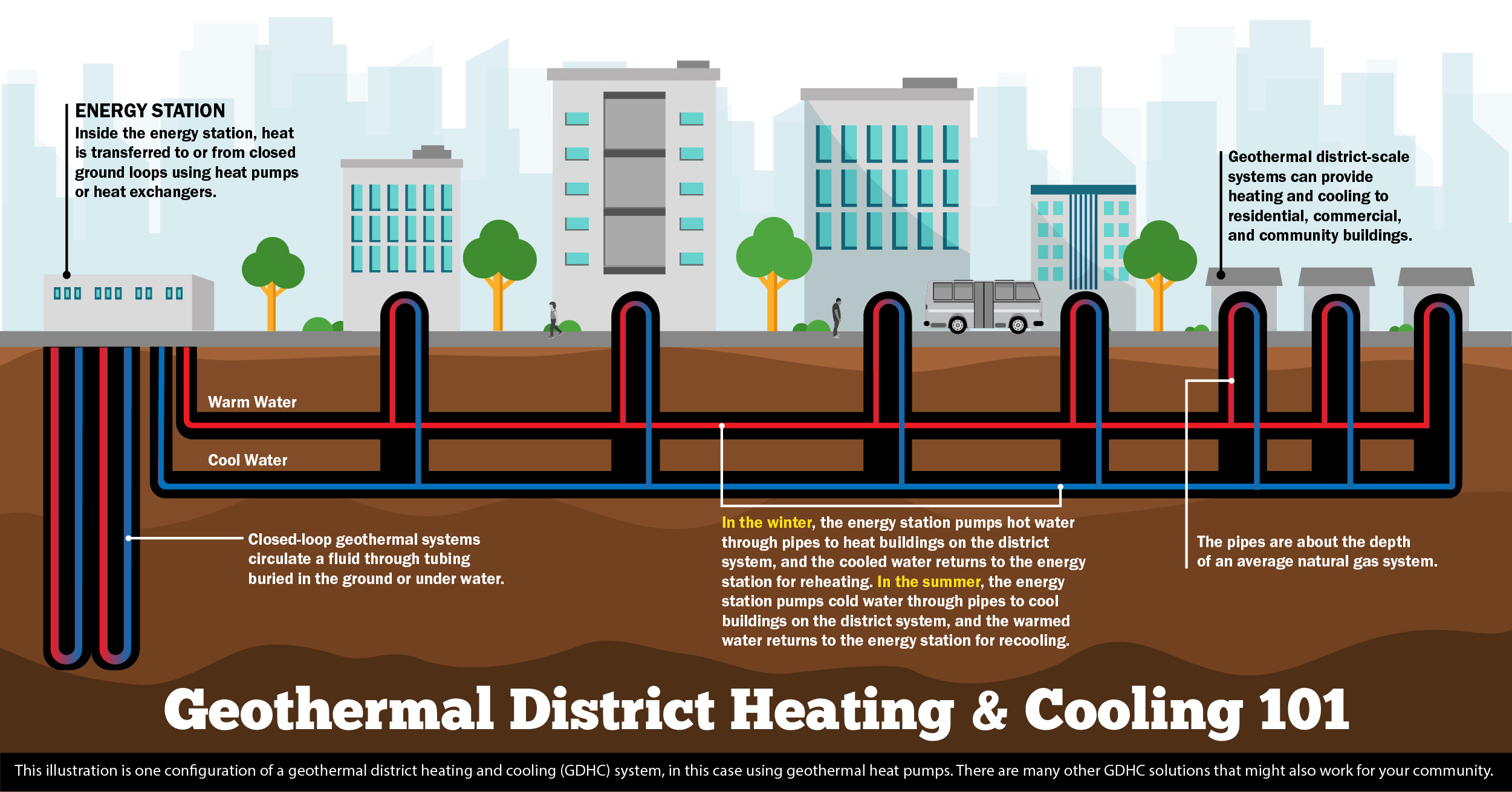
Geothermal heating harnesses the Earth's consistent underground temperatures to provide efficient heating and cooling year-round. Unlike traditional systems that rely on fluctuating air temperatures, geothermal systems tap into the relatively stable ground temperature a few feet below the surface. This makes them incredibly efficient and environmentally friendly, but maximizing those benefits requires understanding how to operate and maintain them effectively. Let’s explore practical tips to unlock the full potential of your geothermal system and enjoy significant energy savings.
Optimize Your Thermostat Settings for Geothermal Efficiency
One of the simplest yet most effective ways to boost your geothermal system's energy efficiency is through careful thermostat management. Geothermal systems excel at maintaining consistent temperatures, so drastic temperature swings are unnecessary and can actually reduce efficiency.
Instead of cranking the heat up or down significantly when you're home or away, aim for small, gradual adjustments. A programmable thermostat is your best friend here. Set it to lower the temperature by a few degrees when you're asleep or away from home, and then have it gradually return to your desired temperature before you wake up or return.
Avoid "Set it and forget it" mentality: While geothermal systems are efficient, constantly running at the same temperature, even when you're away, wastes energy. Gradual Adjustments are Key: Drastic temperature changes force the system to work harder, negating some of the energy savings. Aim for adjustments of no more than 5-8 degrees. Use Smart Thermostat Features:Many smart thermostats learn your habits and automatically adjust the temperature based on your preferences and occupancy patterns. They can even be controlled remotely via your smartphone.
Choosing the right thermostat settings is a simple but critical step towards maximizing your home energy savings with geothermal heating.
People Also Ask: What is the ideal temperature setting for a geothermal heat pump in winter?
The ideal winter temperature depends on your comfort level, but aiming for a consistent temperature of 68-72°F (20-22°C) is generally recommended. Remember, gradual adjustments are more efficient than large temperature swings.
Maintain Your Ground Loop System for Peak Performance
The ground loop is the heart of your geothermal system, responsible for transferring heat between your home and the earth. Proper maintenance is crucial for ensuring optimal performance and preventing costly repairs.
While the ground loop itself is buried underground and requires minimal maintenance, there are a few key areas to focus on: Keep the area around the ground loop clear: Avoid planting trees or shrubs directly above the ground loop, as their roots can potentially damage the pipes over time. Check for leaks: Regularly inspect the visible portions of the ground loop piping (usually near the heat pump unit) for any signs of leaks or corrosion. Consider professional inspection:It's a good idea to have a qualified geothermal technician inspect your ground loop every few years to ensure everything is in good working order. They can check for proper fluid levels, pressure, and any signs of potential problems.
Ignoring ground loop maintenance can lead to reduced efficiency, increased energy consumption, and even system failure. A little preventative care goes a long way in protecting your investment.
Optimize Airflow for Efficient Geothermal Heating and Cooling
Even with a highly efficient geothermal system, poor airflow can significantly impact its performance. Restricted airflow forces the system to work harder, reducing its efficiency and potentially leading to overheating or premature wear and tear.
Here are some practical tips for optimizing airflow: Regularly Replace Air Filters: This is arguably the most important step. Dirty air filters restrict airflow, making your system work harder and reducing its efficiency. Replace your filters every 1-3 months, depending on your environment and the type of filter you use. Keep Vents and Registers Clear: Make sure that vents and registers are not blocked by furniture, curtains, or rugs. This allows for free and even distribution of heated or cooled air throughout your home. Consider Duct Cleaning: Over time, dust, debris, and even mold can accumulate in your ductwork, restricting airflow and potentially impacting indoor air quality. Consider having your ducts professionally cleaned every few years. Seal Leaky Ducts: Leaky ducts can waste a significant amount of energy by allowing heated or cooled air to escape before it reaches its intended destination. Sealing leaky ducts can significantly improve your system's efficiency.
By paying attention to airflow, you can ensure that your geothermal system is operating at peak performance and delivering maximum energy savings.
People Also Ask: How often should I change my air filter with a geothermal system?
The frequency of air filter changes depends on factors like the type of filter, your home's air quality, and whether you have pets. Generally, changing it every 1-3 months is a good practice. If you notice the filter is dirty, replace it sooner.
Leverage Zoning for Targeted Home Energy Savings
Zoning allows you to divide your home into different temperature zones, enabling you to heat or cool only the areas you're actively using. This can significantly reduce energy consumption, especially in larger homes or homes with multiple levels.
For example, you might set a lower temperature in bedrooms during the day when no one is using them, and then raise the temperature in the evening. Similarly, you can lower the temperature in unused rooms or areas of your home.
Install Zone Dampers: Zone dampers are installed in your ductwork to control the flow of air to different zones. They can be manually adjusted or controlled by a zoning system. Use Multiple Thermostats: A zoning system typically involves installing a separate thermostat in each zone, allowing you to independently control the temperature in each area. Consider Smart Zoning Systems:Smart zoning systems use sensors and algorithms to automatically adjust the temperature in each zone based on occupancy patterns and preferences. These systems can learn your habits and optimize energy usage for maximum savings.
Zoning can be a valuable addition to your geothermal system, allowing you to fine-tune your home's temperature and significantly reduce energy waste.
Smart Home Integration for Advanced Control
Integrating your geothermal system with a smart home system can unlock even greater levels of control and energy savings. Smart home platforms like Google Nest, Amazon Alexa, and Apple Home Kit can connect to your geothermal system and allow you to control it remotely, automate temperature adjustments, and even monitor energy usage in real-time.
Here are some benefits of smart home integration: Remote Control: Control your geothermal system from anywhere using your smartphone or tablet. This is especially useful if you're away from home and want to adjust the temperature or troubleshoot any issues. Automated Scheduling: Create custom schedules for your geothermal system based on your daily routine. For example, you can set the temperature to automatically lower when you leave for work and raise it before you return home. Energy Monitoring: Track your energy usage in real-time and identify areas where you can save even more energy. Voice Control: Control your geothermal system with your voice using voice assistants like Alexa or Google Assistant.
Smart home integration offers a convenient and powerful way to optimize your geothermal system's performance and maximize your energy savings.
People Also Ask: Can I connect my geothermal heat pump to my smart home system?
Yes, many geothermal heat pumps are compatible with popular smart home systems like Google Nest, Amazon Alexa, and Apple Home Kit. Check with your geothermal system manufacturer or installer to ensure compatibility and proper setup.
Regular Professional Maintenance for Long-Term Savings
While you can perform many of the maintenance tasks mentioned above yourself, it's essential to schedule regular professional maintenance for your geothermal system. A qualified geothermal technician can identify potential problems early on, perform necessary repairs, and ensure that your system is operating at peak efficiency.
Here are some key components of professional maintenance: System Inspection: A technician will thoroughly inspect your entire system, including the heat pump unit, ground loop, and ductwork, to identify any signs of wear and tear or potential problems. Refrigerant Check: The technician will check the refrigerant levels to ensure they are within the optimal range. Low refrigerant levels can reduce efficiency and potentially damage the system. Pressure Testing: The technician will perform pressure testing to ensure that the ground loop is properly sealed and there are no leaks. Component Cleaning: The technician will clean the various components of your system, such as the coils and blower motor, to ensure optimal performance. Performance Testing:The technician will perform performance testing to measure the system's efficiency and identify any areas for improvement.
Scheduling regular professional maintenance can help prevent costly repairs, extend the lifespan of your system, and ensure that you're getting the most out of your investment. Aim for annual check-ups with a certified technician experienced in geothermal heating systems.
Understanding Your Geothermal System's Energy Consumption
To truly maximize your energy savings, it's crucial to understand how your geothermal system consumes energy. Monitoring your energy usage patterns can help you identify areas where you can make adjustments and further reduce your consumption.
Track your energy bills: Pay close attention to your monthly energy bills and look for trends. If you notice a sudden spike in energy consumption, it could indicate a problem with your system. Use energy monitoring tools: Many smart thermostats and smart home systems offer energy monitoring features that allow you to track your energy usage in real-time. Consider a home energy audit:A professional home energy audit can identify areas in your home where you're losing energy, such as leaky windows or inadequate insulation. Addressing these issues can further reduce your energy consumption and improve your geothermal system's efficiency.
By understanding your energy consumption patterns, you can make informed decisions about how to operate your geothermal system and maximize your energy savings. Remember to account for seasonal changes and adjust your settings accordingly.
Embracing these practical tips will not only help you lower your energy bills but also contribute to a more sustainable lifestyle. Geothermal heating is an investment in both your home and the environment. By following these guidelines, you'll unlock its full potential and enjoy years of efficient, comfortable, and eco-friendly heating and cooling.
Posting Komentar untuk "Practical Tips for Energy Savings with Geothermal Heat Pumps"