
How Geothermal Systems Support Sustainable Home Practices
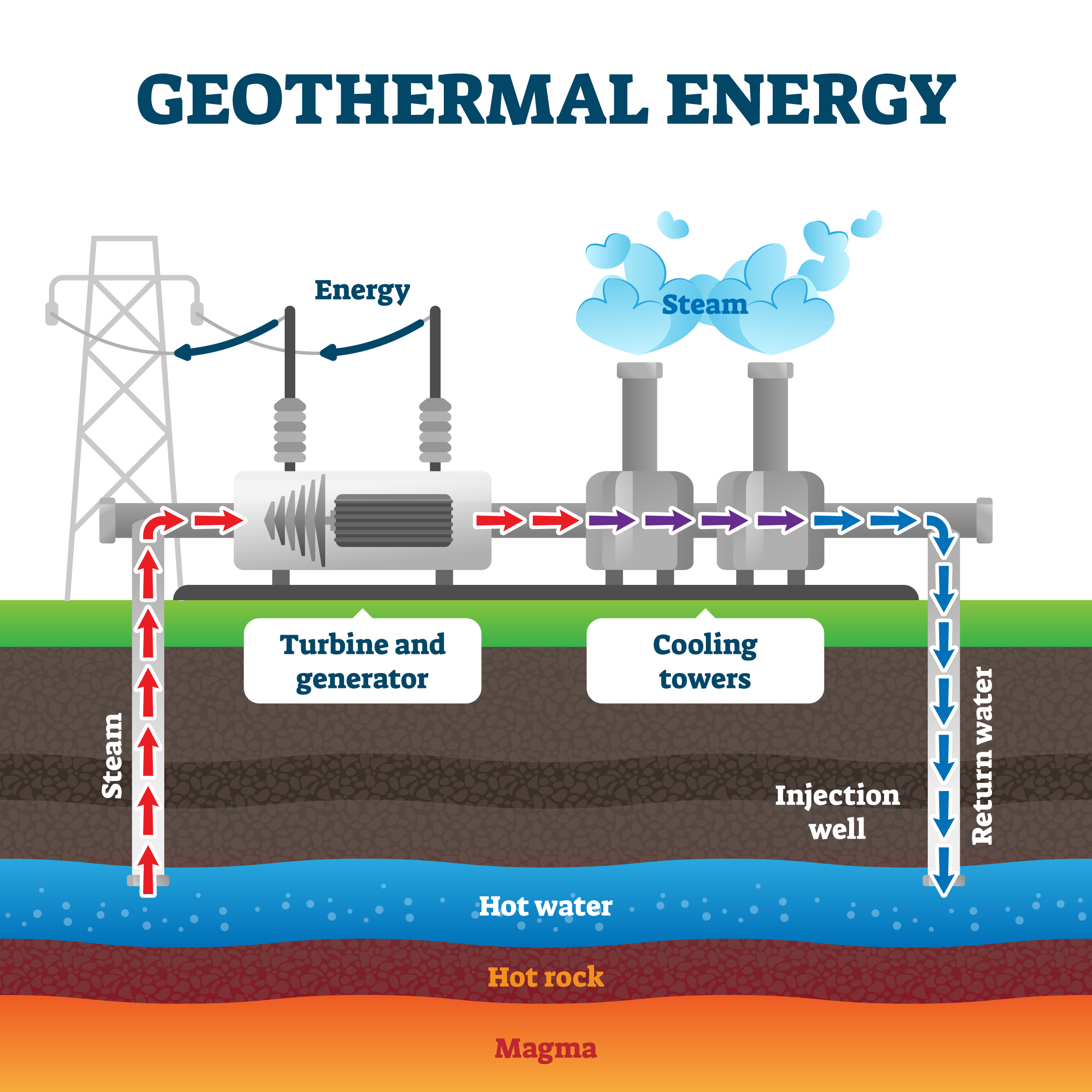
Imagine a world where your home's heating and cooling are powered by the earth beneath your feet, offering consistent comfort and significant savings. It’s not a futuristic fantasy; it’s the reality of geothermal energy, a sustainable solution that’s transforming how homeowners approach energy consumption.
Geothermal systems harness the stable temperature of the earth to provide heating, cooling, and even hot water for your home. This technology dramatically reduces reliance on fossil fuels, lowers energy bills, and contributes to a smaller carbon footprint. But beyond the immediate benefits, geothermal plays a crucial role in fostering broader sustainable home practices, creating a ripple effect of positive environmental impact.
One easy step you can take today to assess your home’s potential for geothermal energy is to contact a qualified geothermal installer for a free consultation. They can evaluate your property’s suitability, discuss system options, and provide an estimate of the potential savings and environmental benefits you can expect. Understanding your specific needs is the first step toward embracing a greener, more sustainable lifestyle.
How Geothermal Systems Support Sustainable Home Practices
Geothermal heating and cooling, at its core, is about energy efficiency. Traditional HVAC systems burn fossil fuels or use electricity generated from them, releasing greenhouse gases into the atmosphere. Geothermal systems, on the other hand, simply transfer heat, utilizing the earth's consistent temperature as a renewable energy source. This significantly reduces your home's carbon emissions, contributing to cleaner air and a healthier planet.
But the benefits extend far beyond just reducing emissions. Geothermal systems encourage a more holistic approach to sustainable living, prompting homeowners to consider other eco-friendly practices. Let’s explore how:Reduced Energy Consumption: The most direct impact is the dramatic reduction in energy consumption. Geothermal systems are significantly more efficient than traditional HVAC systems, often by as much as 30-60%. This translates to lower energy bills and a reduced strain on the power grid, especially during peak seasons.
Environmentally Friendly Refrigerants: Geothermal systems use environmentally friendly refrigerants that have a much lower global warming potential compared to those used in traditional air conditioners. This reduces the risk of ozone depletion and minimizes the impact on climate change.
Long Lifespan and Durability: Geothermal systems are built to last. The underground components, such as the ground loop, can last for 50 years or more, while the indoor heat pump unit typically lasts for 20-25 years. This longevity reduces the need for frequent replacements, saving resources and minimizing waste.
Quiet and Comfortable Operation: Geothermal systems operate much quieter than traditional HVAC systems. This creates a more comfortable and peaceful home environment, free from the noise and vibrations associated with conventional furnaces and air conditioners.
Consistent Temperatures: Because geothermal systems rely on the earth's stable temperature, they provide consistent heating and cooling throughout the year, regardless of the weather conditions outside. This eliminates the temperature fluctuations and drafts often experienced with traditional HVAC systems.
Increased Home Value: Investing in a geothermal system can significantly increase your home's value. As more homebuyers prioritize sustainability, homes equipped with geothermal systems become increasingly attractive, commanding higher prices and selling faster.
Reduced Maintenance: Geothermal systems require less maintenance than traditional HVAC systems. There are no outdoor units exposed to the elements, reducing the risk of damage and corrosion. The indoor heat pump unit requires minimal maintenance, typically only needing regular filter changes.
In addition to these direct benefits, embracing geothermal energy can inspire other sustainable practices around the home. Homeowners may be more inclined to invest in energy-efficient appliances, improve insulation, and adopt water conservation measures.
Integrating Geothermal with Other Sustainable Practices
Adopting geothermal isn't just about switching to a new heating and cooling system; it's about embracing a comprehensive sustainable lifestyle. Here’s how geothermal integrates seamlessly with other eco-friendly choices: Solar Panels: Pairing geothermal with solar panels creates a synergistic effect. Solar panels can generate electricity to power the geothermal heat pump, further reducing reliance on fossil fuels and maximizing energy savings. This combination offers a truly net-zero energy solution for your home. Smart Home Technology: Integrating geothermal systems with smart home technology allows for precise temperature control and energy monitoring. Smart thermostats can learn your preferences and adjust the system automatically, optimizing energy efficiency and comfort. Rainwater Harvesting: Using rainwater harvesting systems to replenish the ground loop can further enhance the sustainability of geothermal systems. This reduces the demand on municipal water supplies and minimizes the environmental impact of water usage. Energy-Efficient Appliances: Complementing geothermal with energy-efficient appliances, such as Energy Star-certified refrigerators, washers, and dryers, can significantly reduce overall energy consumption. Improved Insulation:Enhancing your home's insulation, by sealing air leaks and adding insulation to walls and attics, can minimize heat loss and gain, reducing the load on the geothermal system and further improving energy efficiency.
By combining geothermal with these sustainable practices, you can create a truly eco-friendly home that minimizes its environmental impact while providing exceptional comfort and energy savings.
Understanding Geothermal System Components
To truly appreciate the benefits of geothermal, it’s helpful to understand the basic components of the system and how they work together:The Ground Loop: This is the heart of the geothermal system, consisting of a network of pipes buried underground. These pipes circulate a water-based solution that absorbs heat from the earth in the winter and releases heat into the earth in the summer. There are several types of ground loops, including: Horizontal Loops: These are typically used when there is ample land available. The pipes are buried horizontally in trenches a few feet below the surface. Vertical Loops: These are used when land is limited. The pipes are inserted vertically into boreholes drilled hundreds of feet deep. Pond/Lake Loops:These are used when there is a nearby body of water, such as a pond or lake. The pipes are submerged in the water, taking advantage of its consistent temperature.
The Heat Pump: This is the indoor unit that transfers heat between the ground loop and your home. It works like a refrigerator in reverse, extracting heat from the ground loop in the winter and transferring it into your home. In the summer, it extracts heat from your home and transfers it into the ground loop.
The Distribution System: This consists of the ductwork or radiant floor system that distributes the heated or cooled air throughout your home. Traditional ductwork can be used, or radiant floor heating can be installed for even more efficient and comfortable heating.
The Thermostat: This controls the operation of the heat pump, allowing you to set the desired temperature and schedule. Smart thermostats can be used to optimize energy efficiency and comfort.
Maximizing Your Geothermal Investment: Tips for Homeowners
Investing in a geothermal system is a significant decision, but with proper planning and maintenance, you can maximize your investment and enjoy years of reliable and efficient heating and cooling. Here are some tips for homeowners: Choose a Qualified Installer: Select a reputable geothermal installer with experience and expertise in designing and installing geothermal systems. Look for certifications and positive customer reviews. Proper Sizing: Ensure that the geothermal system is properly sized for your home. An undersized system will not provide adequate heating and cooling, while an oversized system will be inefficient and costly to operate. Regular Maintenance: Schedule regular maintenance for your geothermal system, including filter changes, coil cleaning, and system inspections. This will help ensure optimal performance and extend the lifespan of the system. Monitor Energy Consumption: Track your energy consumption to monitor the performance of your geothermal system and identify any potential issues. Optimize Thermostat Settings: Adjust your thermostat settings to maximize energy efficiency. Lower the temperature in the winter when you are away or asleep, and raise the temperature in the summer. Consider Geothermal Tax Credits and Incentives: Take advantage of available federal, state, and local tax credits and incentives to reduce the cost of your geothermal system.
Ground Loop Maintenance and Longevity
While geothermal systems are known for their durability and low maintenance requirements, proper ground loop maintenance is crucial for ensuring long-term performance and preventing costly repairs. The ground loop is the most critical component of the system, and its longevity directly impacts the overall lifespan of the entire system.
Regular Inspections: Schedule regular inspections of the ground loop to check for leaks, corrosion, or other damage. A qualified geothermal technician can perform these inspections and identify any potential problems before they escalate.
Flushing the Loop: Over time, sediment and debris can accumulate in the ground loop, reducing its efficiency and potentially causing damage. Flushing the loop periodically can remove these contaminants and restore optimal performance.
Pressure Testing: Pressure testing the ground loop can identify leaks or other issues that may not be visible during a visual inspection. This test involves pressurizing the loop and monitoring for any pressure drops.
Glycol Levels: If your geothermal system uses a glycol solution in the ground loop, it is important to check the glycol levels periodically. Glycol helps prevent freezing and corrosion, but it can degrade over time and lose its effectiveness.
Avoiding Damage: Protect the ground loop from damage by avoiding digging or construction activities near the buried pipes. If you need to perform any work in the vicinity of the ground loop, contact a qualified geothermal technician to locate the pipes and ensure that they are not damaged.
Landscaping Considerations: Avoid planting trees or shrubs directly above the ground loop, as the roots can damage the pipes. Choose shallow-rooted plants that will not interfere with the ground loop.
People Also Ask (FAQs)
How much does a geothermal system cost? The cost of a geothermal system can vary depending on the size of your home, the type of ground loop, and the complexity of the installation. However, while the initial investment may be higher than traditional HVAC systems, the long-term energy savings and environmental benefits can offset the cost over time. How long does it take to install a geothermal system? The installation time for a geothermal system can vary depending on the complexity of the project. A typical installation can take anywhere from a few days to a few weeks. What are the environmental benefits of geothermal energy? Geothermal energy is a renewable and sustainable energy source that reduces reliance on fossil fuels, lowers carbon emissions, and minimizes the impact on climate change. It also reduces air pollution and water usage compared to traditional HVAC systems. Is my property suitable for a geothermal system? Most properties are suitable for a geothermal system, but a qualified geothermal installer can assess your property and determine the best type of ground loop for your specific needs. Factors such as soil conditions, available land, and access to water can influence the suitability of a geothermal system. What is the lifespan of a geothermal system? The ground loop can last for 50 years or more, while the indoor heat pump unit typically lasts for 20-25 years. With proper maintenance, a geothermal system can provide decades of reliable and efficient heating and cooling.
Embracing geothermal energy is a powerful step towards creating a more sustainable future. By understanding the benefits, components, and maintenance requirements of geothermal systems, you can make informed decisions and enjoy the comfort, savings, and environmental benefits of this innovative technology for years to come. It's more than just a heating and cooling solution; it's a commitment to a greener, healthier planet.
Posting Komentar untuk "How Geothermal Systems Support Sustainable Home Practices"