
Benefits of Geothermal Energy for Long-Term Savings
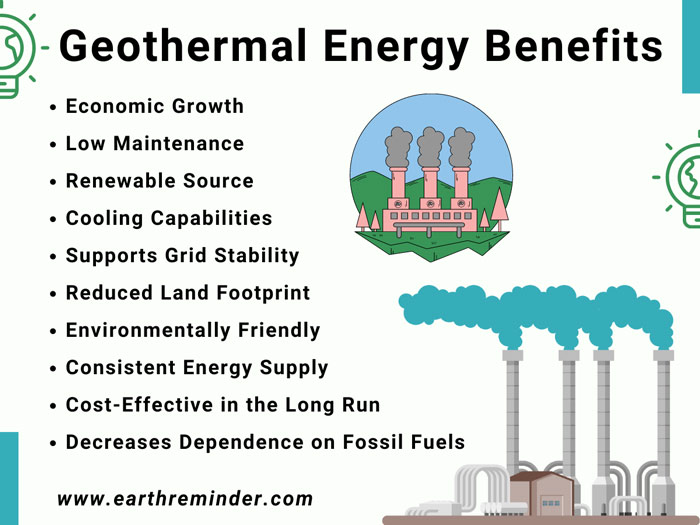
Tired of watching your hard-earned money vanish into thin air, sucked away by ever-increasing energy bills? Imagine a world where you could significantly reduce your heating and cooling costs, all while contributing to a healthier planet. That world is closer than you think, thanks to the power of geothermal energy.
Geothermal energy offers a sustainable and cost-effective alternative to traditional heating and cooling systems. By tapping into the Earth's consistent underground temperatures, geothermal systems provide reliable comfort year-round, leading to substantial long-term savings for homeowners. Understanding the benefits and how geothermal works can empower you to make an informed decision about investing in a more sustainable and financially sound future.
One immediate step you can take is to schedule a home energy audit. This assessment will pinpoint areas where you're losing energy, helping you understand your current consumption patterns and identify if your home is a good candidate for geothermal. Knowing this baseline will make it easier to estimate potential savings with a geothermal system.
Unlocking Long-Term Savings with Geothermal Energy
The initial investment in a geothermal system can seem daunting, but it's crucial to consider the long-term return on investment. Unlike conventional HVAC systems that rely on fluctuating fossil fuel prices, geothermal systems harness a renewable energy source: the Earth itself. This translates to predictable and significantly lower energy bills for decades to come.
Let's delve deeper into how geothermal energy achieves these impressive savings.
Consistent Temperatures, Consistent Savings
Geothermal systems, also known as ground-source heat pumps, utilize the stable temperature of the Earth a few feet below the surface. This temperature remains relatively constant, regardless of the extreme weather conditions above. In the summer, the ground acts as a heat sink, absorbing heat from your home to cool it. In the winter, the ground acts as a heat source, providing warmth to your home. This process is far more efficient than traditional HVAC systems that struggle to operate in extreme temperatures.
Think of it like this: your traditional air conditioner has to work incredibly hard to cool your house when it's 100 degrees outside. Similarly, your furnace strains to keep you warm when the temperature drops below freezing. Geothermal systems, on the other hand, operate within a much narrower temperature range, requiring less energy to maintain a comfortable indoor environment.
Reduced Energy Consumption
Because geothermal systems are significantly more energy-efficient than conventional HVAC systems, they consume far less electricity. This translates directly into lower monthly energy bills. Many homeowners report savings of 30-70% on their heating and cooling costs after switching to geothermal.
Consider this hypothetical scenario: A family spends $3,000 annually on heating and cooling with a traditional furnace and air conditioner. By switching to geothermal, they could potentially save between $900 and $2,100 per year. Over the lifespan of the system (typically 20-25 years), these savings can add up to tens of thousands of dollars.
Government Incentives and Rebates
To encourage the adoption of renewable energy technologies, many governments and utility companies offer incentives and rebates for installing geothermal systems. These financial incentives can significantly reduce the upfront cost of the system, making it even more attractive to homeowners.
Be sure to research available incentives in your area. These can include federal tax credits, state rebates, and utility company programs. A qualified geothermal installer can help you navigate the process of applying for these incentives.
Understanding Geothermal System Components and Costs
To fully appreciate the long-term savings potential of geothermal energy, it's essential to understand the basic components of a system and the factors that influence its cost.
Ground Loop Systems: The Heart of Geothermal
The ground loop is the underground network of pipes that circulates a heat-transfer fluid (typically water or a water-antifreeze solution). This fluid absorbs heat from the ground in the winter and releases heat into the ground in the summer. There are three main types of ground loop systems: Horizontal Loop: Pipes are buried horizontally in trenches, typically four to six feet deep. This is generally the most cost-effective option, but it requires sufficient land area. Vertical Loop: Pipes are buried vertically in boreholes, typically 100 to 400 feet deep. This option is suitable for properties with limited land area. Pond/Lake Loop:Pipes are submerged in a body of water (pond or lake). This is the least expensive option if a suitable water source is available.
The choice of ground loop system depends on site-specific factors such as land availability, soil conditions, and the presence of a water source.
Heat Pump: Transferring the Energy
The heat pump is the above-ground unit that circulates the heat-transfer fluid through the ground loop and transfers heat between the fluid and the air inside your home. The heat pump also provides supplemental heating or cooling when needed.
Heat pumps are incredibly durable and reliable, typically lasting 20-25 years with proper maintenance.
Installation Costs: A Breakdown
The initial cost of installing a geothermal system can vary depending on several factors, including: Size of the system: Larger homes require larger systems, which cost more to install. Type of ground loop: Vertical loops are generally more expensive than horizontal loops. Soil conditions: Difficult soil conditions can increase the cost of excavation and installation. Existing ductwork: If your home already has ductwork, the installation process will be less expensive.
While the upfront cost can be higher than that of a traditional HVAC system, remember to factor in the long-term savings on energy bills and the potential for government incentives.
Maximizing Your Geothermal Investment: Tips for Long-Term Savings
Once you've invested in a geothermal system, there are several steps you can take to maximize your long-term savings and ensure optimal performance.
Regular Maintenance: Ensuring Peak Efficiency
Like any mechanical system, geothermal systems require regular maintenance to ensure they operate at peak efficiency. This includes: Annual Inspections: Schedule an annual inspection with a qualified geothermal technician to check the system's components and identify any potential problems. Filter Replacement: Replace the air filters regularly (typically every one to three months) to ensure proper airflow and prevent dust and debris from damaging the system. Ground Loop Maintenance:While ground loops require minimal maintenance, it's important to monitor the pressure and fluid levels periodically.
Proper maintenance will extend the lifespan of your geothermal system and ensure it continues to deliver significant energy savings.
Optimizing Your Home's Energy Efficiency
To maximize the benefits of your geothermal system, it's essential to optimize your home's overall energy efficiency. This includes: Insulation: Ensure your home is properly insulated to prevent heat loss in the winter and heat gain in the summer. Sealing Air Leaks: Seal any air leaks around windows, doors, and other openings to prevent drafts and energy loss. Energy-Efficient Windows:Consider replacing old, drafty windows with energy-efficient models.
By improving your home's energy efficiency, you can reduce the load on your geothermal system and further lower your energy bills.
People Also Ask: Frequently Asked Questions About Geothermal Savings
How long does it take for a geothermal system to pay for itself? The payback period for a geothermal system varies depending on factors such as energy costs, system size, and available incentives. However, many homeowners find that their geothermal system pays for itself within 5 to 10 years.
Does geothermal work in all climates? Yes, geothermal systems are effective in all climates. The consistent underground temperature provides a reliable source of heating and cooling, regardless of the weather conditions above.
Are there any environmental benefits to geothermal energy? Yes, geothermal energy is a clean, renewable energy source that reduces your carbon footprint. It does not rely on fossil fuels, which contribute to greenhouse gas emissions and air pollution.
Can I use geothermal for more than just heating and cooling? Yes! Geothermal systems can also be used to heat domestic hot water, swimming pools, and spas. This can further increase your energy savings and reduce your reliance on traditional energy sources.
Making the switch to geothermal energy is more than just an investment in your home; it's an investment in a sustainable future. By harnessing the Earth's natural energy, you can enjoy significant long-term savings, reduce your environmental impact, and create a more comfortable and efficient living space. Take the first step towards energy independence and explore the possibilities of geothermal energy for your home.
Posting Komentar untuk "Benefits of Geothermal Energy for Long-Term Savings"