
Top Benefits of Geothermal Heating and Cooling
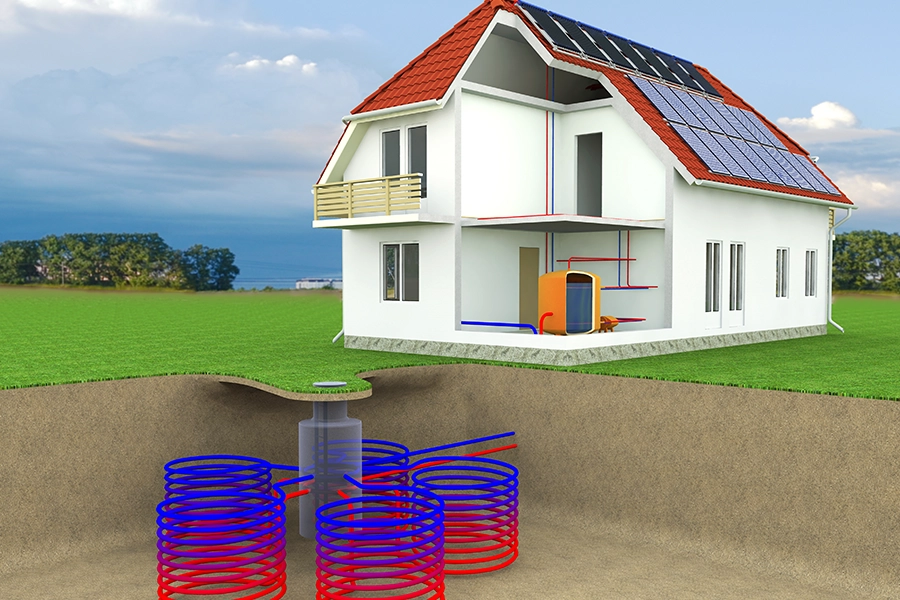
Imagine a heating and cooling system so efficient, it practically pays for itself. Envision a future where your home is comfortable year-round, without the nagging guilt of excessive energy consumption. Geothermal energy might be the game-changer you've been waiting for.
Geothermal heating and cooling taps into the earth's stable underground temperatures to provide a consistent and energy-efficient climate control solution for your home. Unlike traditional systems that rely on fluctuating air temperatures, geothermal systems leverage the earth's natural insulation, offering significant energy savings and a smaller carbon footprint. This article dives into the top benefits of geothermal systems, providing you with the knowledge to decide if this sustainable solution is the right fit for your home.
One simple way to gauge if geothermal might work for you? Check your local utility's incentives and rebates. Many offer substantial financial assistance for installing geothermal systems, making the initial investment much more manageable.
Unmatched Energy Efficiency and Cost Savings
Geothermal heating and cooling systems stand out as champions of energy efficiency. Traditional HVAC systems work harder as the temperature difference between inside and outside increases. Geothermal, however, draws from a relatively constant underground temperature, typically between 45 and 75 degrees Fahrenheit, regardless of the season. This consistent source minimizes the strain on the system, translating directly into significant energy savings.
How significant? Homeowners who switch to geothermal often see a reduction of 30-70% in their heating and cooling costs. This impressive home energy savings not only lightens the monthly bills but also reduces your reliance on fossil fuels, contributing to a more sustainable future. Over time, these savings can offset the initial investment in the system, making geothermal a financially sound long-term decision.
Think of it this way: a traditional air conditioner works overtime on a sweltering summer day. A geothermal system, on the other hand, is essentially pre-conditioned by the earth, requiring far less energy to maintain a comfortable indoor temperature. This difference in energy consumption is where the substantial cost savings originate.
Real-World Example: The Smith Family's Geothermal Transformation
The Smith family in Ohio switched from a conventional furnace and air conditioner to a geothermal system. Their average monthly energy bills decreased by 45%, and they qualified for a federal tax credit and a state rebate, further reducing their upfront costs. Within seven years, they expect the system to pay for itself entirely through energy savings.
Environmentally Friendly and Sustainable
In an era of growing environmental concerns, geothermal heating and cooling offers a compelling alternative to traditional fossil fuel-dependent systems. By harnessing the earth's natural heat, geothermal drastically reduces your carbon footprint.
Unlike conventional systems that burn fossil fuels to generate heat, geothermal uses electricity to transfer heat between your home and the earth. While electricity generation may still have some environmental impact, the significantly reduced energy consumption of geothermal minimizes overall emissions. Furthermore, many homeowners are opting to pair their geothermal systems with renewable energy sources like solar panels, further offsetting their carbon footprint and moving towards a truly sustainable home energy solution.
The environmental benefits extend beyond reduced emissions. Geothermal systems are also quieter than traditional HVAC units, minimizing noise pollution in your neighborhood. Additionally, they eliminate the need for outdoor units like noisy air conditioners, freeing up valuable yard space and enhancing your home's curb appeal.
Long Lifespan and Durability
Geothermal systems are built to last. While the above-ground components, such as the heat pump, typically have a lifespan of 20-25 years, the underground loop system, which is the heart of the geothermal system, can last for 50 years or more. This longevity significantly reduces the long-term cost of ownership compared to traditional HVAC systems, which often require replacement every 10-15 years.
The durability of geothermal systems stems from their protected underground location. The ground loop is shielded from the elements, eliminating exposure to harsh weather conditions, corrosion, and physical damage that can plague outdoor HVAC units. This protection translates into fewer repairs, reduced maintenance, and a longer lifespan, making geothermal a reliable and cost-effective investment for your home.
Maintaining Your Geothermal System for Optimal Longevity
To ensure your geothermal system operates efficiently and enjoys a long lifespan, regular maintenance is essential. Here are a few key tips: Annual Inspections: Schedule annual inspections with a qualified geothermal technician to check the system's performance, identify any potential issues, and perform necessary maintenance tasks. Filter Replacement: Regularly replace air filters to maintain optimal airflow and prevent dust and debris from accumulating in the system. Ground Loop Maintenance: While the ground loop is generally maintenance-free, it's important to monitor the system's performance and address any issues promptly. A qualified technician can inspect the loop for leaks or other problems. Proper Landscaping: Avoid planting trees or shrubs directly above the ground loop, as their roots can potentially damage the pipes.
Consistent Comfort and Quiet Operation
Geothermal systems provide consistent and even heating and cooling throughout your home. Unlike traditional systems that can create hot and cold spots, geothermal circulates air more evenly, resulting in a more comfortable and consistent indoor environment. This is because the system is operating at a more constant and efficient rate, minimizing temperature fluctuations.
Moreover, geothermal systems operate quietly. With the main components located indoors and the ground loop buried underground, you'll experience significantly less noise compared to traditional air conditioners and furnaces. This quiet operation enhances your home's comfort and creates a more peaceful living environment.
Imagine enjoying a quiet evening at home without the constant hum and click of a traditional HVAC system. Geothermal systems offer this level of comfort and tranquility, making them an attractive option for homeowners seeking a more peaceful and comfortable living space.
Increased Home Value
Investing in a geothermal heating and cooling system can significantly increase your home's value. As energy efficiency and sustainability become increasingly important to homebuyers, a geothermal system can be a major selling point. It demonstrates a commitment to environmental responsibility and offers potential buyers significant long-term cost savings.
A geothermal system is a valuable upgrade that sets your home apart from the competition. It's a tangible asset that adds both financial and environmental value, making your home more attractive to potential buyers. Moreover, the long lifespan and low maintenance requirements of geothermal systems provide peace of mind to prospective homeowners.
Tips for Showcasing Your Geothermal System When Selling Your Home
Highlight Energy Savings: Provide potential buyers with documentation of your energy savings since installing the geothermal system. Emphasize Environmental Benefits: Communicate the environmental benefits of geothermal, such as reduced carbon footprint and sustainable energy consumption. Showcase System Features: Explain the system's features, such as consistent comfort, quiet operation, and long lifespan. Provide Maintenance Records: Offer maintenance records to demonstrate the system's reliability and care. Include Warranty Information:Provide warranty information to reassure buyers about the system's long-term performance.
Versatile Heating and Cooling Solution
Geothermal systems are not just for heating and cooling. They can also be used to heat domestic hot water, providing an additional source of energy savings. Some geothermal systems can even be used to heat swimming pools or spas, extending their usability throughout the year.
This versatility makes geothermal a comprehensive home energy solution. By integrating multiple functions into a single system, geothermal can further reduce your reliance on traditional energy sources and lower your overall energy costs. Moreover, the ability to heat water efficiently can significantly reduce your water heating bills, which can be a significant portion of your overall energy consumption.
People Also Ask: FAQs About Geothermal Heating and Cooling
How much does a geothermal system cost to install? The initial cost of a geothermal system can be higher than traditional HVAC systems, typically ranging from \$20,000 to \$30,000. However, government incentives and long-term energy savings can offset this initial investment. How does a geothermal system work? Geothermal systems use a ground loop buried underground to transfer heat between your home and the earth. In the winter, the system extracts heat from the earth and transfers it to your home. In the summer, the system reverses the process, transferring heat from your home back into the earth. Is geothermal suitable for all climates? Yes, geothermal systems are effective in a wide range of climates. The earth's stable underground temperature provides a consistent source of heating and cooling, regardless of the external weather conditions. How long does it take to install a geothermal system? The installation time for a geothermal system can vary depending on the complexity of the project, but it typically takes between one and three weeks. What type of ground loop is best for my property? The best type of ground loop depends on the size and layout of your property, as well as the soil conditions. Common types of ground loops include horizontal loops, vertical loops, and pond loops. A qualified geothermal installer can assess your property and recommend the most suitable option.
Choosing geothermal heating and cooling is a powerful step towards a more sustainable and comfortable future. Embrace the long-term savings, environmental benefits, and consistent comfort that geothermal offers, and take control of your home's energy footprint. With proper planning and installation, you'll enjoy the rewards of this innovative technology for years to come.
Posting Komentar untuk "Top Benefits of Geothermal Heating and Cooling"