
How to Maximize Efficiency in Geothermal Cooling Systems
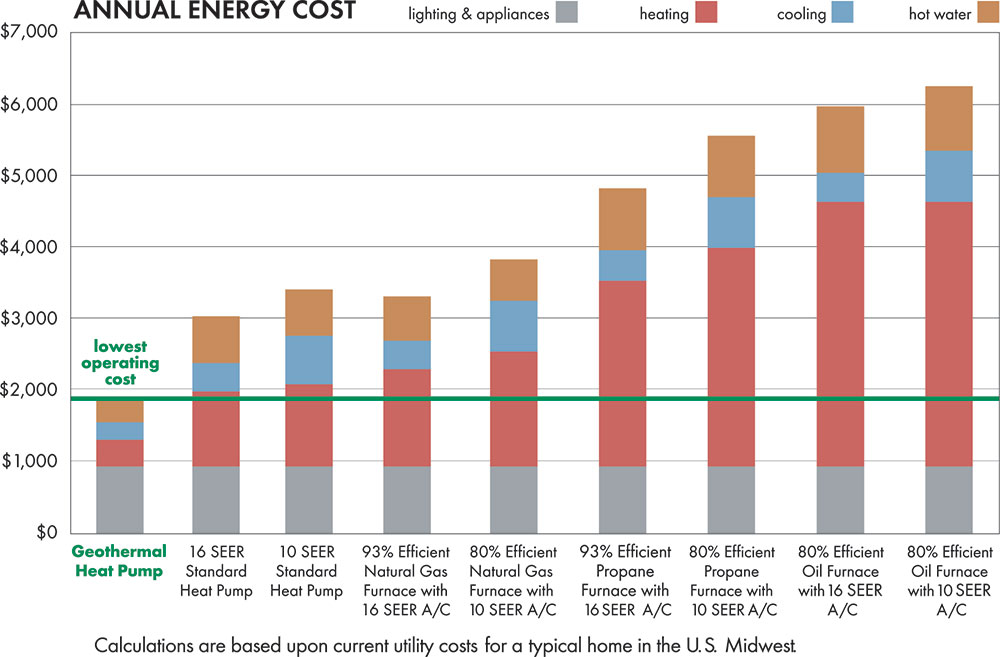
Imagine slashing your summer cooling bills while simultaneously reducing your carbon footprint. Sounds appealing, right? Optimizing your geothermal cooling system isn't just about saving money; it's about contributing to a more sustainable future, one degree at a time.
Geothermal cooling, a subset of geothermal heating and cooling, utilizes the Earth's stable underground temperatures to efficiently cool your home. Unlike traditional air conditioning, which consumes significant energy to generate cold air, geothermal systems simply transfer heat from your home to the ground. This process is inherently more efficient, but like any system, its performance can be maximized through proper maintenance and strategic adjustments. Let's explore how to unlock the full potential of your geothermal cooling system and achieve significant home energy savings.
One simple yet effective tip is to ensure proper airflow throughout your home. Obstructions like furniture blocking vents or closed doors in infrequently used rooms can restrict airflow, forcing your geothermal system to work harder and consume more energy.
Maximizing Geothermal Cooling Efficiency: A Comprehensive Guide
Geothermal systems offer a fantastic alternative to traditional air conditioning, tapping into the earth's natural ability to maintain a relatively constant temperature. But even the most innovative technology requires a strategic approach to achieve peak performance. Let's dive into practical steps you can take to maximize efficiency and minimize your energy bills during the cooling season.
Understanding Your System's Performance
Before making any adjustments, it’s crucial to understand how your geothermal system is currently performing. This involves more than just glancing at your thermostat.
Review Energy Bills: Analyze your past energy bills to establish a baseline for comparison. Note the cooling months and the corresponding energy consumption. This will help you track your progress as you implement efficiency improvements. Monitor System Operation: Pay attention to how frequently your system cycles on and off. Short cycling (frequent on/off cycles) can indicate inefficiencies or underlying issues. A longer, more consistent run time is generally more efficient. Professional Inspection:Schedule a professional inspection to assess the overall health and efficiency of your system. A qualified technician can identify potential problems, such as refrigerant leaks, ductwork issues, or pump inefficiencies.
Optimizing Ground Loop Performance: The Heart of Efficiency
The ground loop is the critical component that facilitates heat exchange between your home and the earth. Maintaining its optimal performance is essential for maximizing cooling efficiency.
Ground Loop Maintenance: Ensure proper ground loop maintenance is a cornerstone of your geothermal cooling strategy. While geothermal systems are relatively low maintenance, the ground loop requires periodic inspections. Check for any signs of leaks or damage, and ensure proper fluid levels. Proper Landscaping: Avoid planting trees or shrubs directly above the ground loop. The roots can potentially damage the piping. Maintain a well-drained soil around the loop to facilitate heat transfer. Consider Ground Source Heat Pump (GSHP) Type:If you're considering a new geothermal system, research different GSHP types. Vertical loops generally offer more consistent performance than horizontal loops, especially in areas with limited space or fluctuating soil conditions.
Fine-Tuning Your Home Environment
The efficiency of your geothermal cooling system is heavily influenced by factors within your home. By making strategic adjustments, you can significantly reduce the cooling load and improve overall performance.
Seal Air Leaks: Identify and seal any air leaks around windows, doors, and other openings. This prevents conditioned air from escaping and unconditioned air from entering, reducing the workload on your geothermal system. Weatherstripping, caulking, and expanding foam can be used to effectively seal these leaks. Improve Insulation: Ensure adequate insulation in your attic, walls, and floors. Proper insulation acts as a barrier, preventing heat from entering your home during the summer months and keeping it inside during the winter. Consider upgrading your insulation to meet or exceed recommended R-values for your climate zone. Utilize Window Treatments: Use curtains, blinds, or shades to block direct sunlight during the hottest parts of the day. This can significantly reduce the amount of solar heat gain entering your home. Consider using reflective window films to further enhance solar heat reduction. Strategic Landscaping: Plant trees or shrubs strategically around your home to provide shade and reduce solar heat gain. Deciduous trees are particularly effective, as they provide shade during the summer and allow sunlight to pass through during the winter. Manage Internal Heat Sources:Minimize the use of appliances that generate significant heat, such as ovens, stoves, and clothes dryers, during the hottest parts of the day. Opt for cooler cooking methods, such as grilling or using a slow cooker. Consider using energy-efficient lighting options, such as LED bulbs, which generate less heat than traditional incandescent bulbs.
Optimizing System Settings and Usage
Beyond the physical aspects of your home, how you operate your geothermal system plays a significant role in its efficiency.
Programmable Thermostat: Install a programmable thermostat and set it to automatically adjust the temperature based on your schedule. This allows you to reduce cooling during times when you're away from home or asleep. Set-Back Temperatures: Experiment with setting your thermostat to a slightly higher temperature when you're away or asleep. Even a few degrees can make a significant difference in energy consumption. Avoid Extreme Temperature Adjustments: Avoid drastically lowering the thermostat temperature when you return home. This forces your system to work harder and consume more energy. Instead, gradually lower the temperature over time. Fan Settings: Consider using the "auto" fan setting instead of the "on" setting. The "auto" setting only runs the fan when the system is actively cooling, while the "on" setting runs the fan continuously, consuming more energy. Regular Filter Changes:Change your air filters regularly, typically every one to three months. Dirty filters restrict airflow, forcing your system to work harder and reducing its efficiency. A clean filter also improves indoor air quality.
Advanced Strategies for Enhanced Efficiency
For those seeking even greater efficiency gains, consider these advanced strategies.
Desuperheaters: A desuperheater can capture waste heat from your geothermal system and use it to heat your domestic hot water. This can significantly reduce your water heating costs. Smart Home Integration: Integrate your geothermal system with a smart home system for advanced control and monitoring. This allows you to remotely adjust the temperature, monitor energy consumption, and receive alerts for potential problems. Geothermal Heat Pump Water Heater: Consider using a geothermal heat pump water heater, which utilizes the same principles as your geothermal cooling system to efficiently heat your water. Professional Ductwork Sealing:Have your ductwork professionally sealed to prevent air leaks. This is particularly important for older homes with leaky ductwork.
People Also Ask (FAQs)
How often should I have my geothermal system serviced?
It's generally recommended to have your geothermal system serviced annually by a qualified technician. This includes inspecting the ground loop, checking refrigerant levels, cleaning coils, and ensuring proper operation of all components.
What are the signs of a problem with my geothermal system?
Signs of a problem with your geothermal system can include reduced cooling performance, unusual noises, frequent cycling, increased energy bills, and water leaks. If you notice any of these signs, contact a qualified technician for diagnosis and repair.
Can I install a geothermal system myself?
While some homeowners may be tempted to install a geothermal system themselves, it's strongly recommended to hire a qualified professional. Proper installation is crucial for ensuring optimal performance and longevity. Improper installation can lead to costly repairs and reduced efficiency.
What is the lifespan of a geothermal system?
With proper maintenance, a geothermal system can last for 20-25 years or more. The ground loop itself can last for 50 years or more. Regular maintenance and prompt repairs can significantly extend the lifespan of your system.
Are geothermal systems noisy?
Geothermal systems are generally quieter than traditional air conditioning systems. The indoor unit is typically located in a basement or utility room, which helps to muffle any noise. The outdoor components are buried underground, further reducing noise levels.
By implementing these strategies, you can significantly enhance the efficiency of your geothermal cooling system and unlock its full potential. Remember, even small adjustments can add up to significant energy savings and a more sustainable home.
Posting Komentar untuk "How to Maximize Efficiency in Geothermal Cooling Systems"