
How Geothermal Systems Work in Coastal Climates
Imagine a world where your home stays perfectly comfortable year-round, and your energy bills plummet, all thanks to the stable, consistent temperature beneath your feet. Geothermal energy offers exactly that, but how does this technology adapt to the unique environment of a coastal climate?
Geothermal systems, also known as ground source heat pumps, tap into the Earth's consistent underground temperature to provide heating and cooling for your home. This is a game-changer, especially in coastal areas where temperatures can fluctuate dramatically and humidity levels are often high. Understanding how these systems work and how they are specifically tailored for coastal environments can unlock significant energy savings and contribute to a more sustainable lifestyle.
One practical step you can take right now is to assess your property's suitability for a geothermal system. Consider the size of your yard, the type of soil you have, and the proximity to any bodies of water. These factors will influence the type of ground loop system that's best for your home.
How Geothermal Systems Work in Coastal Climates
Geothermal systems provide an incredibly efficient and sustainable way to heat and cool your home, leveraging the stable temperature found just below the Earth's surface. While the basic principles remain the same, implementing these systems in coastal climates requires special considerations to address the unique challenges and opportunities these environments present.
Coastal regions often experience high humidity, fluctuating temperatures, and unique soil conditions. These factors can impact the design, installation, and long-term performance of a geothermal system. Understanding these nuances is crucial to maximizing efficiency and ensuring the longevity of your investment in sustainable home energy. Let's delve into how geothermal systems adapt and thrive in coastal settings.
Understanding Coastal Climate Challenges for Geothermal Systems
Coastal climates bring specific hurdles to the table when considering geothermal heating and cooling. High humidity levels, proximity to saltwater, and varied soil compositions all play a role.
The Impact of Humidity
High humidity levels can reduce the efficiency of traditional air conditioning systems, making geothermal systems an even more attractive alternative. Because geothermal systems primarily transfer heat rather than generating it, they are less affected by humidity. However, indoor humidity control is still a consideration. A dehumidifier can be integrated into the system to ensure optimal comfort.
Saltwater Intrusion
Proximity to saltwater introduces the risk of corrosion. Selecting appropriate materials for the ground loop, such as high-density polyethylene (HDPE) piping, is essential. Proper sealing and maintenance are also crucial to prevent saltwater intrusion into the system.
Soil Composition
Coastal soils can vary significantly, from sandy to clay-rich. Sandy soils offer excellent thermal conductivity but may be unstable for certain types of ground loops. Clay soils, while more stable, can have lower thermal conductivity. A thorough soil analysis is vital to determine the most suitable ground loop design and ensure efficient heat transfer.
Adapting Geothermal System Design for Coastal Environments
To effectively harness geothermal energy in coastal regions, specific design adaptations are often necessary. These adaptations focus on material selection, loop configuration, and system maintenance.
Closed-Loop vs. Open-Loop Systems
In coastal areas,closed-loop systems are generally preferred over open-loop systems due to the potential for saltwater contamination.
Closed-loop systems circulate a refrigerant through a sealed network of pipes buried underground. This eliminates the risk of groundwater contamination and makes them suitable for a wider range of soil conditions. Horizontal, vertical, or pond/lake loops can be implemented based on site characteristics. Open-loop systems(also known as groundwater systems) directly use groundwater as a heat source or sink. While potentially more efficient, they are less common in coastal areas due to the risk of saltwater intrusion and the need for careful management of the extracted water.
Ground Loop Configuration
The choice of ground loop configuration depends on the available space and soil conditions.
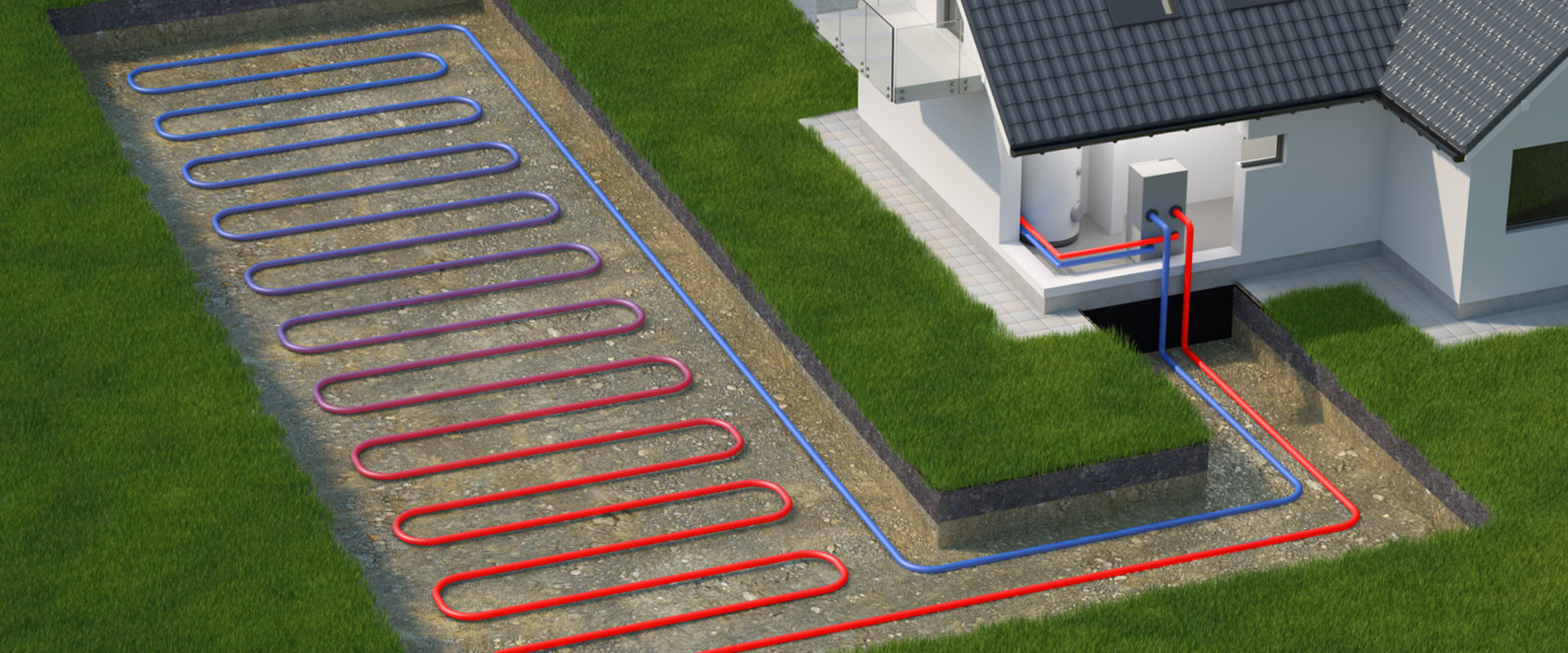
Horizontal loops are installed in trenches, requiring a larger land area. They are generally more cost-effective but may not be feasible on smaller coastal properties. Vertical loops are drilled deep into the ground, minimizing the surface area required. They are ideal for properties with limited space or unstable soil conditions. Pond/lake loops utilize a nearby body of water as a heat source or sink. They can be a cost-effective option if a suitable water source is available, but they require careful consideration of environmental regulations.
Material Selection
Selecting corrosion-resistant materials is paramount in coastal environments.
HDPE piping: High-density polyethylene (HDPE) is the industry standard for ground loops due to its durability, flexibility, and resistance to corrosion. Stainless steel components: Using stainless steel for above-ground components, such as pumps and heat exchangers, can further enhance the system's longevity in a saltwater environment. Protective coatings:Applying protective coatings to buried metal components can provide an additional layer of defense against corrosion.
Maximizing Energy Efficiency in Coastal Homes with Geothermal
Geothermal systems offer significant energy efficiency advantages over traditional heating and cooling systems, especially in coastal climates where temperature and humidity fluctuations can strain conventional systems.
Integration with Smart Home Technology
Integrating your geothermal system with smart home technology can further optimize energy efficiency. Smart thermostats, for example, can learn your heating and cooling preferences and adjust the system accordingly, minimizing energy waste. You can also monitor your energy consumption in real-time and identify opportunities for further savings.
Proper Insulation
Proper insulation is crucial for maximizing the benefits of a geothermal system. Insulating your walls, ceilings, and floors reduces heat loss in the winter and heat gain in the summer, allowing the geothermal system to operate more efficiently.
Regular Maintenance
Regular maintenance is essential for ensuring the long-term performance and efficiency of your geothermal system. This includes: Annual inspections: Schedule annual inspections by a qualified geothermal technician to identify and address any potential problems. Filter cleaning: Regularly clean or replace air filters to maintain optimal airflow. Ground loop maintenance:Inspect the ground loop for leaks or damage and ensure proper water levels (if applicable).
People Also Ask: How often should I have my geothermal system serviced in a coastal environment?
In coastal environments, it's generally recommended to have your geothermal system serviced annually. The corrosive nature of saltwater and the potential for higher humidity levels can accelerate wear and tear on system components. An annual inspection will help identify and address any potential problems before they escalate, ensuring the long-term performance and efficiency of your system.
People Also Ask: What are the signs that my geothermal system is not working efficiently?
Several signs can indicate that your geothermal system is not working efficiently. These include: Increased energy bills: A sudden increase in your energy bills may indicate a problem with your system. Uneven heating or cooling: If some rooms are warmer or cooler than others, it could be a sign of a problem with airflow or system performance. Unusual noises: Strange noises coming from your geothermal unit or ground loop may indicate a mechanical issue. Reduced heating or cooling capacity: If your system is struggling to maintain the desired temperature, it could be a sign of reduced efficiency.
If you notice any of these signs, it's important to contact a qualified geothermal technician for an inspection.
People Also Ask: Are there any rebates or incentives available for installing geothermal systems in coastal areas?
Many states and utility companies offer rebates and incentives for installing geothermal systems. These incentives can significantly reduce the upfront cost of installation. Check with your local utility company and state energy office to see what rebates and incentives are available in your area. The federal government also offers tax credits for geothermal installations, which can further offset the cost.
Case Study: Coastal Home Energy Savings with Geothermal
Let's consider a case study of a homeowner in a coastal town in North Carolina who switched from a traditional HVAC system to a geothermal system.
The Challenge: The homeowner's existing HVAC system was struggling to keep up with the fluctuating temperatures and high humidity levels, resulting in high energy bills and inconsistent comfort. The Solution: The homeowner installed a closed-loop vertical geothermal system with HDPE piping and stainless steel components. The Results:The homeowner experienced a 40% reduction in energy bills and a significant improvement in indoor comfort. The geothermal system maintained a consistent temperature throughout the year, even during periods of extreme heat and humidity.
This case study demonstrates the potential for significant energy savings and improved comfort that geothermal systems can offer in coastal environments.
Ground Loop Maintenance for Coastal Geothermal Systems
Maintaining your ground loop is crucial to the long-term performance of your geothermal system, especially in coastal environments. Regular inspections can help identify potential problems before they become major issues.
Checking for Leaks
Regularly inspect the above-ground components of your ground loop for leaks. Look for signs of water damage or corrosion. If you suspect a leak, contact a qualified geothermal technician for an inspection.
Maintaining Proper Water Levels (If Applicable)
If you have a pond/lake loop system, ensure that the water level remains adequate. Low water levels can reduce the efficiency of the system.
Preventing Biofouling
Biofouling, the accumulation of microorganisms on the ground loop piping, can reduce heat transfer efficiency. Consider using a biofouling control system to prevent this issue. Your geothermal technician can advise you on the best approach.
By understanding the challenges and adapting the design and maintenance practices accordingly, you can unlock the full potential of geothermal energy and enjoy significant energy savings, improved comfort, and a reduced environmental footprint. The possibilities for a sustainable home energy future are real and achievable.
Posting Komentar untuk "How Geothermal Systems Work in Coastal Climates"