
How Geothermal Systems Improve Energy Efficiency in Homes
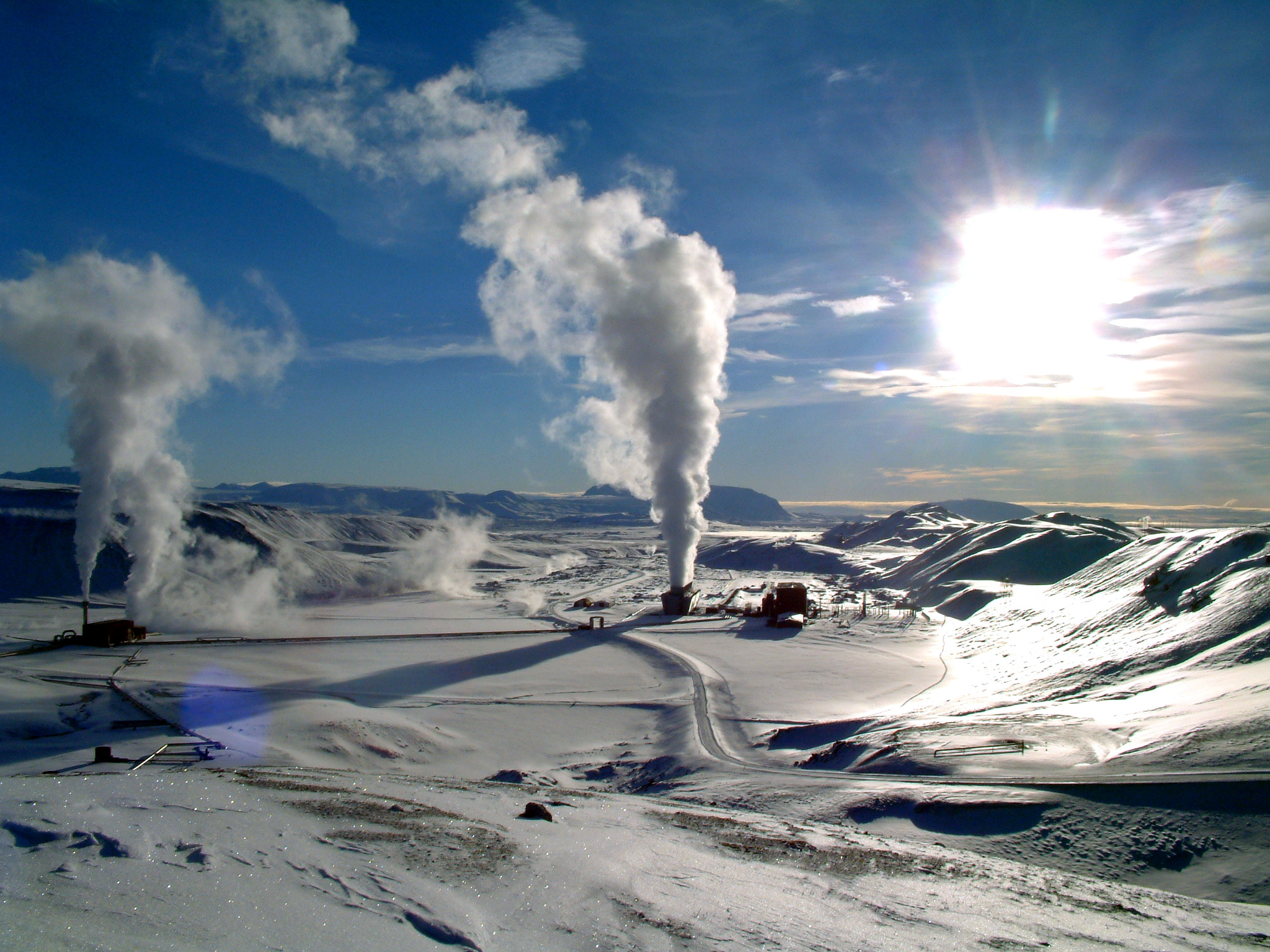
Imagine a world where your home stays perfectly comfortable year-round while significantly reducing your carbon footprint and energy bills. Sound too good to be true? It's not. Geothermal systems are quietly revolutionizing home energy, offering a powerful path to efficiency and sustainability.
Geothermal heating and cooling taps into the Earth’s constant underground temperature to provide incredibly efficient climate control. Unlike traditional systems that rely on fluctuating air temperatures, geothermal leverages a stable source of energy right beneath our feet. This translates to lower energy consumption, reduced reliance on fossil fuels, and substantial savings for homeowners committed to a greener lifestyle.
One of the simplest ways to boost your home energy savings, regardless of your heating and cooling system, is to seal air leaks. Caulk around windows and doors, and use weather stripping to prevent drafts. This small step can make a surprisingly big difference in your home’s overall energy efficiency and reduce the strain on your HVAC system.
How Geothermal Systems Improve Energy Efficiency in Homes
Geothermal systems, also known as ground-source heat pumps, harness the stable temperature of the earth to heat and cool homes. The ground a few feet below the surface maintains a relatively constant temperature, typically between 45°F and 75°F (7°C and 24°C), depending on the geographic location. Geothermal systems utilize this consistent temperature to provide heating in the winter and cooling in the summer, offering a far more efficient alternative to traditional HVAC systems. The key lies in understanding how these systems work and how they dramatically reduce energy consumption.
Traditional HVAC systems rely on burning fossil fuels (natural gas, propane, oil) or using electricity to generate heat or cool air. These processes are inherently inefficient, as a significant portion of the energy is lost in the conversion. Geothermal systems, on the other hand, simply transfer heat to or from the ground, a process that requires significantly less energy. This difference in energy consumption is what makes geothermal systems so appealing for homeowners looking to reduce their environmental impact and lower their utility bills.
Understanding the Geothermal Advantage: A Deeper Dive
To fully appreciate the efficiency gains, it’s crucial to understand the components of a geothermal system and how they interact: Ground Loop: This is a network of pipes buried underground, either horizontally or vertically. These pipes are filled with a water and antifreeze solution that circulates continuously. Heat Pump: Located inside the home, the heat pump acts as a heat exchanger. In winter, it extracts heat from the fluid circulating from the ground loop and transfers it into the home. In summer, the process is reversed, and heat is extracted from the home and transferred into the ground. Distribution System:This typically consists of ductwork that distributes the heated or cooled air throughout the home. In some cases, radiant floor heating systems can be used.
The ground loop is the heart of the geothermal system, providing a stable and renewable source of energy. Because the ground temperature remains relatively constant, the heat pump doesn't have to work as hard to heat or cool the home, resulting in significant energy savings.
Maximizing Energy Efficiency with Geothermal: Practical Tips
Investing in a geothermal system is a significant step toward a sustainable and energy-efficient home. However, to truly maximize the benefits, it's essential to implement some best practices. Let’s look at some actionable steps to optimize your geothermal system and achieve even greater energy efficiency.
Optimize Your Geothermal System: A Step-by-Step Guide
1. Regular Maintenance is Key: Just like any other mechanical system, geothermal systems require regular maintenance to ensure optimal performance.
Annual Inspections: Schedule annual inspections with a qualified geothermal technician. They can check the system's components, including the heat pump, ground loop, and distribution system, to identify any potential issues. Filter Changes: Replace air filters regularly, typically every 1-3 months, depending on the type of filter and the air quality in your home. Clogged filters restrict airflow and reduce the system's efficiency. Ground Loop Monitoring:While the ground loop is buried underground, it's important to monitor its performance. Your geothermal technician can check the fluid pressure and temperature to ensure the loop is functioning properly.
2. Optimize Your Home's Insulation: Proper insulation is crucial for minimizing heat loss in the winter and heat gain in the summer, regardless of your heating and cooling system.
Attic Insulation: Ensure your attic is adequately insulated with a minimum of R-38 insulation. This will prevent heat from escaping through the roof in the winter and keep your home cooler in the summer. Wall Insulation: Insulate your exterior walls to reduce heat transfer. If your home has existing wall insulation, consider adding more to improve its effectiveness. Basement/Crawl Space Insulation:Insulating your basement or crawl space can also help to reduce heat loss and improve energy efficiency.
3. Smart Thermostat Integration: Integrating a smart thermostat with your geothermal system can provide even greater control over your home's temperature and energy consumption.
Programmable Schedules: Program your thermostat to automatically adjust the temperature based on your schedule. For example, you can set the temperature to lower when you're away from home or asleep. Remote Access: Many smart thermostats offer remote access, allowing you to control the temperature from your smartphone or tablet. This can be useful if you're traveling or want to adjust the temperature before you arrive home. Energy Monitoring:Some smart thermostats provide energy monitoring features that allow you to track your energy consumption and identify areas where you can save even more energy.
4. Landscaping for Efficiency: The type of landscaping you have around your home can also affect the efficiency of your geothermal system.
Shade Trees: Planting shade trees on the south and west sides of your home can help to block sunlight and reduce heat gain in the summer. Ground Cover: Using ground cover around your home can help to insulate the ground and reduce temperature fluctuations. Avoid Paving:Minimize the amount of paving around your home, as paving can absorb heat and increase the temperature of the surrounding area.
Ground Loop Maintenance: Ensuring Long-Term Performance
The ground loop is a critical component of a geothermal system, and its proper maintenance is essential for ensuring long-term performance and efficiency. While the ground loop is buried underground, there are still steps you can take to maintain it and prevent potential problems.
Troubleshooting Tips for Ground Loops
Professional Inspection: Schedule regular inspections with a qualified geothermal technician. They can check the fluid pressure, temperature, and flow rate to ensure the loop is functioning properly. Leak Detection: If you suspect a leak in the ground loop, contact a professional immediately. Leaks can reduce the system's efficiency and potentially damage the surrounding environment. Proper Backfilling:When installing a ground loop, it's important to ensure that the trench is properly backfilled with the correct materials. This will prevent the ground from settling and potentially damaging the loop.
Environmental Factors Affecting Ground Loops
The performance of a ground loop can be affected by a variety of environmental factors, including: Soil Type: The type of soil surrounding the ground loop can affect its heat transfer capabilities. Sandy soils tend to be less efficient than clay soils. Moisture Content: The moisture content of the soil can also affect heat transfer. Soil that is too dry or too wet can reduce the system's efficiency. Groundwater:The presence of groundwater can improve heat transfer, but it can also increase the risk of corrosion and leaks.
Understanding these environmental factors can help you to optimize the design and installation of your ground loop and ensure its long-term performance.
Geothermal vs. Traditional HVAC: A Head-to-Head Comparison
To truly appreciate the benefits of geothermal systems, it's helpful to compare them to traditional HVAC systems. Here's a head-to-head comparison of the key factors:
| Feature | Geothermal System | Traditional HVAC System |
|---|---|---|
| :----------------- | :-------------------------------------------------- | :---------------------------------------------------- |
| Energy Efficiency | Significantly higher (300-500% efficiency) | Lower (typically 80-95% efficiency) |
| Operating Costs | Lower due to reduced energy consumption | Higher due to increased energy consumption |
| Environmental Impact | Lower due to reduced reliance on fossil fuels | Higher due to increased reliance on fossil fuels |
| Lifespan | Longer (20-25 years for heat pump, 50+ for loop) | Shorter (10-15 years) |
| Installation Costs | Higher upfront costs | Lower upfront costs |
| Maintenance | Lower due to fewer moving parts | Higher due to more moving parts |
| Noise Level | Quieter operation | Louder operation |
As you can see, geothermal systems offer significant advantages over traditional HVAC systems in terms of energy efficiency, operating costs, environmental impact, and lifespan. While the upfront costs may be higher, the long-term savings and environmental benefits make geothermal a worthwhile investment for many homeowners.
Case Study: Real-World Energy Savings with Geothermal
Consider a family in a 2,500-square-foot home in the Midwest. Prior to installing a geothermal system, they relied on a traditional natural gas furnace and air conditioner, resulting in annual energy bills of around $4,000. After installing a geothermal system, their annual energy bills dropped to around $1,500, representing a savings of $2,500 per year. In addition to the cost savings, they also reduced their carbon footprint by 70%, contributing to a more sustainable future. This is just one example of the many benefits that geothermal systems can offer.
Frequently Asked Questions About Geothermal Systems
Let's address some common questions homeowners have about geothermal systems.
How much does a geothermal system cost to install?
The initial investment for a geothermal system is higher than traditional HVAC systems, typically ranging from $20,000 to $40,000, depending on factors like the size of your home, the type of ground loop, and local labor costs. However, government incentives, tax credits, and long-term energy savings can significantly offset these costs over time.
How long do geothermal systems last?
Geothermal heat pumps typically last 20-25 years, while the ground loop itself can last 50 years or more with proper maintenance. This longevity makes geothermal a durable and cost-effective investment for the long haul.
Are geothermal systems noisy?
Geothermal systems are generally much quieter than traditional air conditioners. The heat pump is located indoors and operates with minimal noise, while the ground loop is completely silent.
Do geothermal systems require a lot of maintenance?
Geothermal systems require less maintenance than traditional HVAC systems because they have fewer moving parts. Routine maintenance typically includes filter changes and annual inspections by a qualified technician.
Can geothermal systems be used in all climates?
Yes, geothermal systems can be used in virtually any climate. The stable underground temperature provides a reliable source of heating and cooling, regardless of the external weather conditions.
Making the switch to geothermal is an investment in your home’s comfort, your financial well-being, and the planet's future. It’s a decision that offers immediate benefits in terms of energy savings and long-term advantages for sustainable living. Take the first step towards a greener future; explore how a geothermal system can transform your home into an energy-efficient haven.
Posting Komentar untuk "How Geothermal Systems Improve Energy Efficiency in Homes"