
How Geothermal Systems Can Reduce Overall Carbon Footprint
Imagine slashing your energy bills and significantly reducing your carbon footprint, all while enjoying consistent, comfortable temperatures year-round. Sounds like a dream, right? It's not. Geothermal systems offer a proven and increasingly accessible path toward a greener, more sustainable future for homeowners and businesses alike.
At its core, geothermal technology harnesses the Earth's stable underground temperature to provide heating, cooling, and even hot water. Unlike traditional systems that rely on fluctuating air temperatures, geothermal systems tap into a constant, renewable energy source just below the surface. This results in dramatically improved energy efficiency, reduced reliance on fossil fuels, and a substantial decrease in your overall carbon footprint. It's a smart investment that benefits both your wallet and the planet.
Before diving in, consider this simple action: Check your current energy bills. Note your average monthly usage for both heating and cooling. This will give you a baseline to compare potential savings with a geothermal system. Now, let's explore how geothermal can revolutionize your home's energy performance.
How Geothermal Systems Minimize Carbon Emissions
Geothermal systems are not just about saving money; they represent a significant step toward environmental responsibility. The technology directly addresses the core issue of carbon emissions by reducing our dependence on fossil fuels for heating and cooling. Traditional HVAC systems burn fossil fuels directly (like natural gas) or indirectly through electricity generated from power plants that rely on coal or gas.
A geothermal system, on the other hand, primarily uses electricity to operate a heat pump, which transfers heat to or from the earth. Because the earth's temperature remains relatively constant, the heat pump operates much more efficiently than a traditional air-source heat pump, which must work harder to overcome extreme temperature differences. This translates to less electricity consumption and, consequently, fewer carbon emissions, especially if your electricity comes from renewable sources.
The impact is significant. Studies have shown that geothermal systems can reduce carbon emissions by 40-70% compared to conventional heating and cooling systems. For a typical household, this could mean offsetting several tons of carbon dioxide each year – equivalent to taking a car off the road! Furthermore, geothermal systems have a long lifespan, often lasting 20-25 years for the heat pump and 50+ years for the ground loop, ensuring sustained environmental benefits for decades to come.
Understanding the Geothermal Process
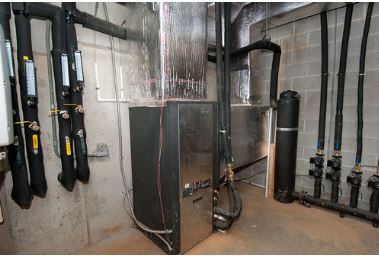
Geothermal systems utilize a network of underground pipes, called a ground loop, filled with a water and antifreeze solution. This loop is buried either horizontally or vertically in the ground, depending on the available space and geological conditions. The solution circulates through the loop, absorbing heat from the earth in the winter and releasing heat into the earth in the summer. A heat pump, located inside the home, then transfers this heat to or from the air, providing heating and cooling as needed.
It is important to realize that geothermal heating is not aboutgeneratingheat. It is abouttransferringheat. By leveraging the constant temperature of the earth, these systems can bypass the most energy-intensive part of traditional heating and cooling: producing heat from scratch or aggressively fighting against hot outdoor air.
Choosing the Right Geothermal System for Your Home
Several types of geothermal systems are available, each with its own advantages and disadvantages.
Horizontal Loop: This is typically the most cost-effective option for homes with sufficient land. The pipes are buried in trenches a few feet below the surface. Vertical Loop: Ideal for properties with limited space, vertical loops involve drilling deep holes (hundreds of feet) and inserting pipes vertically. Pond/Lake Loop: If a suitable body of water is nearby, a closed loop can be submerged at the bottom. Direct Exchange (DX): Instead of water, refrigerant circulates through the ground loop. DX systems are generally more efficient but also more complex to install.
The best choice depends on your specific site conditions, budget, and heating/cooling needs. Consulting with a qualified geothermal installer is crucial to determine the most appropriate and efficient system for your home.
Optimizing Home Energy Savings and Efficiency
Beyond simply reducing carbon emissions, geothermal systems offer several other benefits that contribute to overall home energy savings and efficiency. These include lower operating costs, improved indoor air quality, and increased home value.
Geothermal systems boast impressive energy efficiency ratings, often exceeding 300-400%. This means that for every unit of electricity consumed, the system delivers 3-4 units of heating or cooling. Compare this to a conventional furnace, which may only be 80-95% efficient, or a standard air conditioner, which might be 100-300% efficient. The higher efficiency translates to significantly lower monthly energy bills.
Moreover, geothermal systems provide consistent and comfortable temperatures throughout your home, eliminating the temperature fluctuations often experienced with conventional systems. Because there is no burning of fuel, indoor air quality is improved, as well as reduced allergies and dust. This can be particularly beneficial for individuals with respiratory issues.
The Financial Advantages of Geothermal Energy
While the initial investment in a geothermal system can be higher than a traditional HVAC system, the long-term financial benefits are substantial. The lower operating costs result in significant savings over the lifespan of the system. Furthermore, various government incentives, tax credits, and rebates are often available to help offset the upfront costs, making geothermal systems more accessible to homeowners.
Several online calculators can help you estimate the potential savings based on your location, energy usage, and system specifications. The U.S. Department of Energy also offers a wealth of information on geothermal technology and available incentives.
Ground Loop Maintenance: Key to Long-Term Performance
Proper maintenance is essential to ensure the optimal performance and longevity of your geothermal system. The ground loop, in particular, requires periodic inspection to check for leaks or other issues. A qualified technician can assess the condition of the loop and make any necessary repairs. Regular maintenance can also include flushing the loop to remove any buildup of sediment or debris.
Here are some easy maintenance steps you can follow: Regularly check the system's filters and replace them as needed (usually every 1-3 months). Monitor the system's performance. Note any unusual noises or fluctuations in temperature. Schedule annual maintenance with a qualified geothermal technician.
Geothermal's Role in a Sustainable Future
Geothermal energy represents a crucial component of a broader strategy for achieving a sustainable future. By reducing our reliance on fossil fuels, geothermal systems contribute to a cleaner environment and a more resilient energy system. As technology advances and costs continue to decline, geothermal energy is poised to play an increasingly important role in meeting our growing energy needs while minimizing our environmental impact.
The broader adoption of geothermal systems can also help to create new jobs in the renewable energy sector, stimulate local economies, and promote energy independence. By investing in geothermal, we are investing in a future where energy is clean, affordable, and sustainable for all.
Overcoming Common Misconceptions About Geothermal
Despite its numerous benefits, geothermal technology is often misunderstood. Some common misconceptions include: Geothermal systems are only suitable for certain climates: Geothermal systems work effectively in virtually any climate, providing both heating and cooling. Geothermal systems are too expensive: While the initial investment may be higher, the long-term savings and available incentives often make geothermal systems cost-competitive with traditional HVAC systems. Geothermal systems require a lot of land: Vertical loop systems are ideal for properties with limited space. Geothermal systems are difficult to maintain: Geothermal systems require minimal maintenance compared to traditional HVAC systems.
The Future of Geothermal Technology
Ongoing research and development efforts are focused on improving the efficiency, affordability, and accessibility of geothermal technology. Advancements in drilling techniques, heat pump design, and ground loop materials are paving the way for wider adoption of geothermal systems in both residential and commercial applications.
As awareness of the benefits of geothermal energy grows, and as policies continue to support the transition to renewable energy sources, geothermal is poised to become an increasingly mainstream option for heating and cooling buildings.
Ultimately, embracing geothermal technology is a powerful step you can take toward a more sustainable lifestyle. It’s not just about saving money on your energy bills; it’s about contributing to a healthier planet for future generations. By making informed choices about your energy consumption, you can play a vital role in creating a cleaner, more sustainable world. You have the power to make a difference, one geothermal system at a time.
FAQ About Geothermal Systems
How long does a geothermal system last?
The heat pump component of a geothermal system typically lasts 20-25 years, while the ground loop can last 50 years or more with proper maintenance.
How much does a geothermal system cost to install?
The cost of installation varies depending on factors such as the type of system, site conditions, and location. However, government incentives and long-term savings can offset the initial investment.
Are geothermal systems noisy?
Geothermal systems are generally quieter than traditional HVAC systems because the heat pump is located indoors and there is no noisy outdoor compressor unit.
Posting Komentar untuk "How Geothermal Systems Can Reduce Overall Carbon Footprint"