
How Geothermal Heating Can Reduce Energy Costs
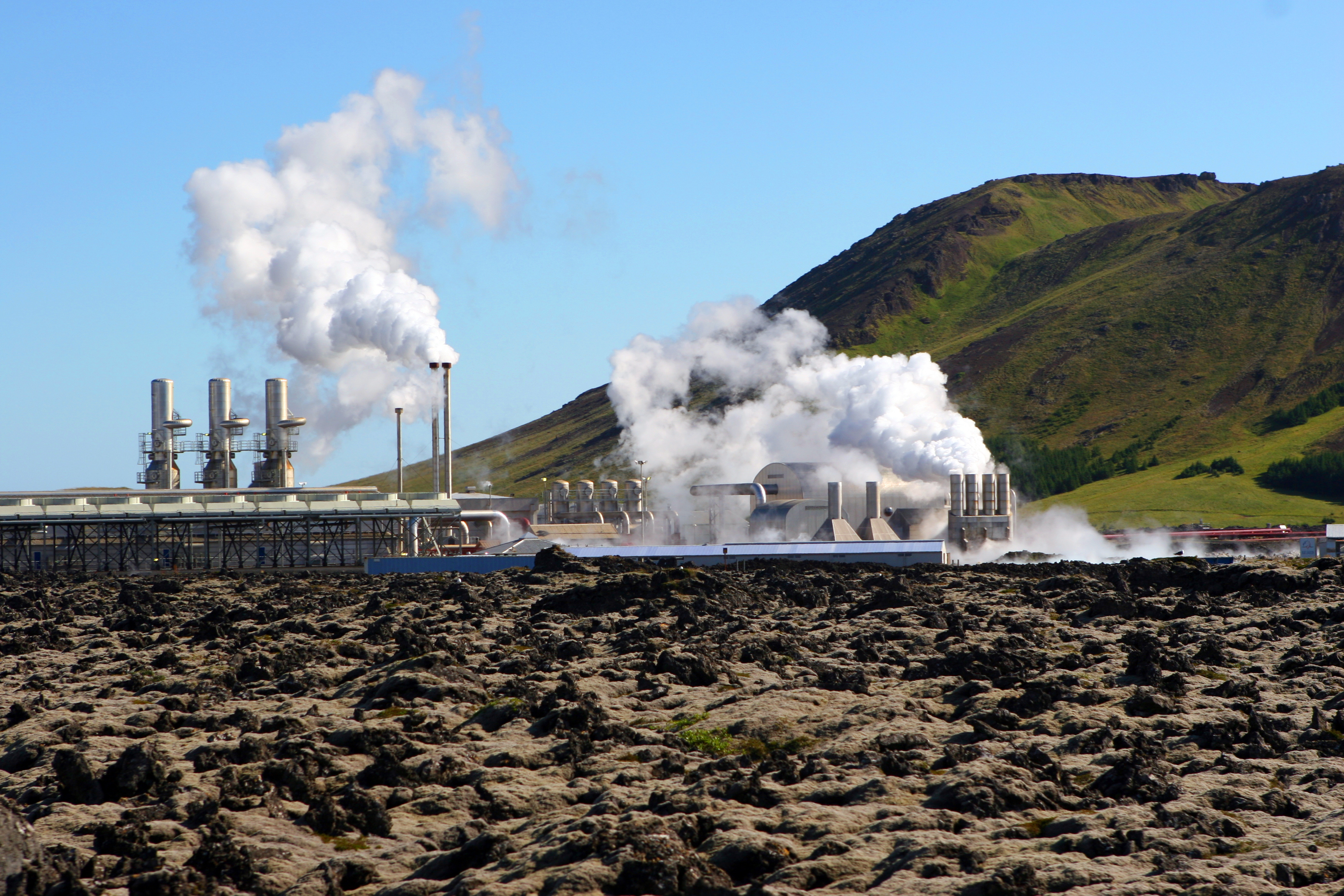
Tired of watching your energy bills skyrocket every winter? Imagine a heating system that taps into the Earth’s natural, stable temperature, providing consistent warmth while slashing your energy consumption. It’s not science fiction; it’s geothermal heating, and it’s revolutionizing the way homeowners are thinking about sustainable comfort.
Geothermal heating leverages the constant temperature of the Earth a few feet below the surface to heat your home in the winter and cool it in the summer. This innovative system uses a ground source heat pump to transfer heat to or from the earth, offering significantly higher energy efficiency compared to traditional heating and cooling methods. The result? Dramatic savings on your energy bills and a smaller carbon footprint, making it a win-win for your wallet and the planet.
Here's a simple starting point for anyone exploring geothermal: Contact a certified geothermal installer in your area. A professional assessment will provide personalized insights into whether geothermal is the right fit for your property and potential energy savings. This initial consultation is crucial to understanding the upfront costs, available incentives, and long-term benefits of switching to geothermal.
Understanding Geothermal Heating Systems
Geothermal heating systems are based on the simple principle that the Earth maintains a relatively constant temperature year-round, regardless of the outside air temperature. This stable underground temperature, typically between 45°F and 75°F, is harnessed by a geothermal system to provide heating, cooling, and even hot water for your home. But how does this work in practice?
A geothermal system consists of three main components: a ground loop, a heat pump, and a distribution system. The ground loop, buried either horizontally or vertically in the ground, circulates a heat-transfer fluid, usually water or an antifreeze solution. This fluid absorbs heat from the earth in the winter and releases heat back into the earth in the summer.
The heat pump, located inside your home, acts as a transfer station, concentrating the heat extracted from the ground loop and distributing it throughout your home through a conventional ductwork system, radiant floor heating, or even a combination of both. In the summer, the process is reversed, with the heat pump extracting heat from your home and transferring it back into the ground.
This process is remarkably efficient, often delivering three to five units of energy for every one unit of electricity used to power the heat pump. This efficiency translates directly into significant energy savings compared to traditional heating and cooling systems that rely on burning fossil fuels or using electric resistance heating.
Horizontal vs. Vertical Ground Loops
The type of ground loop you choose depends on the size of your property and the geological conditions of your land.
Horizontal Ground Loops: These are typically more cost-effective to install and require more land area. They are buried in trenches a few feet below the surface. Vertical Ground Loops: These are ideal for properties with limited space. They are installed by drilling deep vertical boreholes and inserting the ground loop pipes.
Choosing the right type of ground loop is critical for optimizing the performance and efficiency of your geothermal system.
The Financial Benefits of Geothermal Heating
One of the most compelling reasons homeowners consider geothermal heating is its potential to significantly reduce energy costs. While the initial investment in a geothermal system can be higher than traditional heating and cooling systems, the long-term savings can be substantial.
Geothermal systems boast exceptional energy efficiency, often exceeding 300% efficiency. This means that for every unit of electricity used to power the heat pump, the system delivers three or more units of heating or cooling energy. This high efficiency translates directly into lower monthly energy bills.
Furthermore, geothermal systems require less maintenance than traditional systems. With fewer moving parts and no outdoor unit exposed to the elements, geothermal systems are less prone to breakdowns and require less frequent servicing. This can save you money on repair costs over the lifespan of the system.
Government incentives and rebates can also help offset the initial cost of installing a geothermal system. Many federal, state, and local governments offer tax credits, rebates, and other financial incentives to encourage homeowners to adopt renewable energy technologies like geothermal. These incentives can significantly reduce the upfront investment and make geothermal heating even more affordable.
Calculate Your Potential Savings
The actual amount you can save with geothermal heating will depend on several factors, including your home's size, insulation levels, climate, and current energy costs. Many online calculators can help you estimate your potential savings based on these factors. Additionally, a certified geothermal installer can provide a detailed cost-benefit analysis to help you determine the financial feasibility of switching to geothermal.
Enhancing Home Energy Efficiency with Geothermal
Beyond the direct financial benefits, geothermal heating can also contribute to overall home energy efficiency. By reducing your reliance on fossil fuels, geothermal systems can significantly shrink your carbon footprint and help you create a more sustainable home.
Integrating geothermal with other energy-efficient technologies, such as solar panels and energy-efficient windows, can further enhance your home's energy performance. Solar panels can generate the electricity needed to power the geothermal heat pump, creating a self-sufficient and environmentally friendly heating and cooling solution. Energy-efficient windows can minimize heat loss in the winter and heat gain in the summer, reducing the load on the geothermal system and further lowering your energy bills.
Proper insulation is also crucial for maximizing the efficiency of your geothermal system. Insulating your walls, attic, and floors will help prevent heat loss in the winter and heat gain in the summer, allowing the geothermal system to operate more efficiently and maintain a comfortable indoor temperature.
Tips for Optimizing Geothermal Performance
Regular Maintenance: Schedule annual maintenance checks with a qualified technician to ensure your geothermal system is operating at peak performance. Optimize Thermostat Settings: Use a programmable thermostat to adjust the temperature settings based on your schedule and occupancy patterns. Air Filter Replacement: Replace your air filters regularly to maintain proper airflow and prevent dust and debris from clogging the system. Ground Loop Maintenance: While generally low-maintenance, periodically check the ground loop connections for any signs of leaks or corrosion.
Addressing Common Concerns About Geothermal Heating
While geothermal heating offers numerous benefits, some homeowners may have concerns about the technology, installation process, or upfront costs. Addressing these concerns is essential for making an informed decision about whether geothermal is the right choice for your home.
One common concern is the upfront cost of installing a geothermal system. While the initial investment can be higher than traditional systems, it's important to consider the long-term savings and potential return on investment. Government incentives and rebates can also help offset the upfront cost and make geothermal more affordable.
Another concern is the disruption caused by the installation process. Depending on the type of ground loop chosen, the installation process may involve digging trenches or drilling boreholes on your property. However, most installers take steps to minimize disruption and restore your property to its original condition after the installation is complete.
Some homeowners also worry about the potential environmental impact of geothermal systems. While geothermal is a renewable energy source, it's important to ensure that the ground loop is installed properly to prevent any potential contamination of groundwater. Working with a certified and experienced geothermal installer can help mitigate this risk.
Ground Loop Maintenance Best Practices
Annual Inspections: Hire a qualified technician to inspect the ground loop connections and fluid levels annually. Pressure Testing: Conduct periodic pressure tests to check for leaks in the ground loop. Fluid Replacement: Replace the heat-transfer fluid in the ground loop every few years, as recommended by the manufacturer. Avoid Damage: Protect the ground loop area from any construction or landscaping activities that could damage the pipes.
Future-Proofing Your Home with Sustainable Energy
Investing in geothermal heating is not just about saving money on your energy bills; it's about future-proofing your home and contributing to a more sustainable future. As energy prices continue to rise and concerns about climate change grow, renewable energy technologies like geothermal will become increasingly important.
By switching to geothermal, you can reduce your reliance on fossil fuels, lower your carbon footprint, and increase your home's value. Geothermal systems are a long-term investment that can provide decades of reliable and efficient heating and cooling, ensuring your home remains comfortable and sustainable for years to come.
Moreover, as the demand for renewable energy solutions grows, the technology and infrastructure supporting geothermal heating will continue to improve. This will likely lead to even greater energy efficiency, lower costs, and increased accessibility in the future. Embracing geothermal heating today is an investment in a cleaner, more sustainable, and energy-independent future.
You have the power to transform your home into an energy-efficient haven and significantly reduce your environmental impact. Geothermal heating offers a real path to long-term savings and a more sustainable lifestyle. Take that first step towards a greener future—explore your geothermal options today and discover how much you can save.
---
###FAQ:Geothermal Heating & Energy Savings
Is geothermal heating really more efficient than traditional systems?
Yes, geothermal heating systems are significantly more efficient. They can deliver three to five units of energy for every one unit of electricity used, far surpassing the efficiency of traditional furnaces or air conditioners. This high efficiency is due to the stable underground temperature, which requires less energy to heat or cool compared to fluctuating outside air temperatures.
How long does a geothermal heating system last?
A geothermal heat pump typically lasts 20-25 years, while the ground loop can last 50 years or more. Regular maintenance can help extend the lifespan of your system and ensure optimal performance. This longevity makes geothermal a worthwhile investment for long-term home energy savings.
What government incentives are available for geothermal heating?
Many federal, state, and local governments offer tax credits, rebates, and other financial incentives to encourage the adoption of geothermal heating. These incentives can significantly reduce the upfront cost of installing a geothermal system and make it more affordable. Check with your local energy office or a certified geothermal installer to learn about available incentives in your area.
Posting Komentar untuk "How Geothermal Heating Can Reduce Energy Costs"