
Benefits of Geothermal Heating for Energy-Efficient Homes
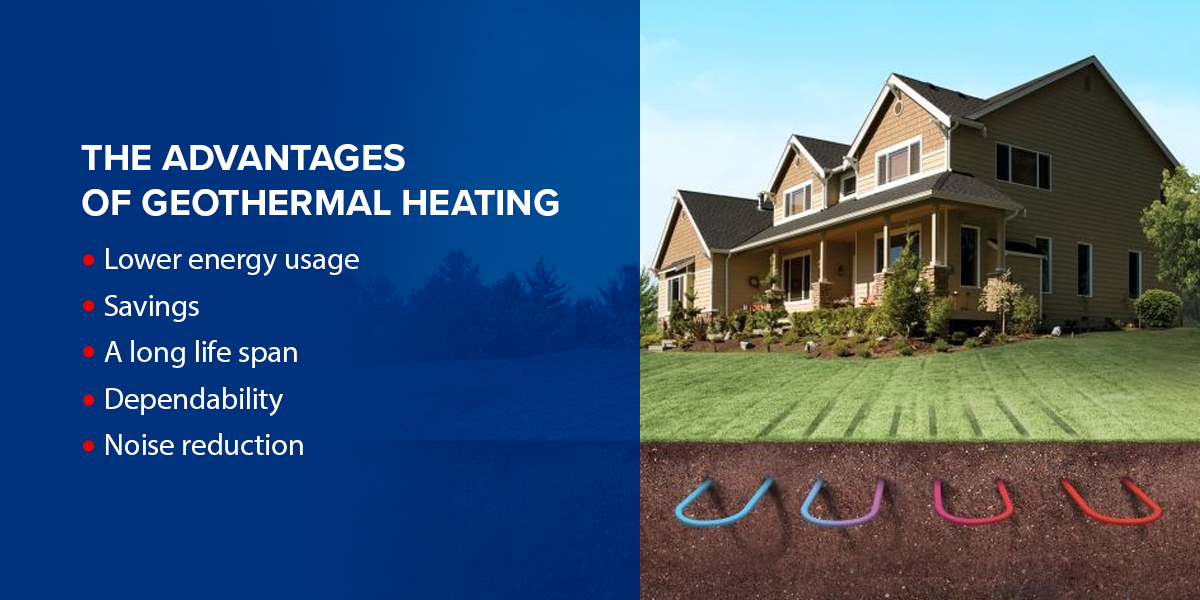
Imagine a world where your home stays comfortably warm in the winter and refreshingly cool in the summer, all while drastically reducing your energy bills and shrinking your carbon footprint. It's not a futuristic fantasy; it’s the reality of geothermal heating, a sustainable home energy solution that's gaining popularity for good reason.
Geothermal heating taps into the Earth's consistent underground temperature to provide efficient and eco-friendly climate control for your home. Unlike traditional systems that rely on fluctuating air temperatures, geothermal harnesses the stable, renewable energy stored just beneath the surface. This translates to significant energy efficiency, reduced reliance on fossil fuels, and a more sustainable lifestyle. Let's delve into the remarkable benefits of geothermal heating and explore how it can transform your home into an energy-efficient haven.
One easy, immediate step you can take to explore geothermal’s potential is to contact a local, certified geothermal installer for a free consultation. They can assess your property, discuss your energy needs, and provide a personalized estimate, allowing you to understand the upfront costs and long-term savings associated with geothermal heating.
Unveiling the Power of Geothermal Heating
Geothermal heating isn't just a trend; it's a smart, sustainable solution that offers a multitude of benefits for homeowners seeking energy efficiency and environmental responsibility. It works by utilizing a geothermal heat pump, which circulates a refrigerant through a network of underground pipes, known as a ground loop. This loop absorbs heat from the earth in the winter and transfers heat from your home back into the earth during the summer. This constant temperature exchange makes the system far more efficient than air-source heat pumps or traditional furnaces.
Lower Energy Bills and Significant Cost Savings
One of the most compelling advantages of geothermal heating is its potential to dramatically reduce your energy bills. Because the system relies on the Earth's consistent temperature rather than fluctuating air temperatures, it requires significantly less energy to heat and cool your home. In fact, geothermal systems can be up to 70% more efficient than conventional heating and cooling systems. This translates to substantial savings on your monthly utility bills, allowing you to recoup your initial investment over time and enjoy long-term financial benefits.
For example, a family in Minnesota replaced their old propane furnace with a geothermal system. They saw an immediate reduction of over 60% on their heating bills, even during the frigid winter months. Over ten years, they project saving tens of thousands of dollars in energy costs.
Environmentally Friendly and Sustainable
Geothermal heating is a champion of sustainability, minimizing your environmental impact and promoting a greener lifestyle. Unlike fossil fuel-based systems that contribute to greenhouse gas emissions and air pollution, geothermal systems utilize a clean, renewable energy source. By reducing your reliance on fossil fuels, you're actively contributing to a healthier planet and a more sustainable future.
Furthermore, geothermal systems have a long lifespan, often lasting 20 years or more with proper maintenance. This durability further reduces the environmental impact associated with manufacturing and disposal of less durable heating and cooling equipment.
Increased Home Comfort and Consistent Temperatures
Beyond energy savings and environmental benefits, geothermal heating provides unparalleled comfort and consistent temperatures throughout your home. Traditional heating systems often create hot and cold spots, leading to uneven heating and discomfort. Geothermal systems, on the other hand, deliver consistent, even temperatures, ensuring a comfortable living environment year-round.
Because the system operates quietly and efficiently, you'll also experience reduced noise pollution compared to noisy furnaces or air conditioners. This quiet operation adds to the overall comfort and tranquility of your home.
Enhanced Home Value and Market Appeal
Investing in geothermal heating can significantly enhance your home's value and market appeal. As energy efficiency and sustainability become increasingly important to homebuyers, a geothermal system can be a major selling point. Potential buyers will appreciate the reduced energy bills, environmental benefits, and increased comfort that geothermal heating provides.
Moreover, a geothermal system can qualify your home for various energy efficiency incentives and rebates, further increasing its market value and attractiveness to potential buyers.
Navigating Geothermal System Installation: A Practical Guide
Installing a geothermal system involves a few key steps:
1.Assessment: A qualified geothermal installer will assess your property to determine the best type of ground loop system for your needs and geological conditions.
2.Ground Loop Installation: This involves digging trenches or drilling wells to install the underground piping.
Horizontal Loops: Typically installed in shallow trenches, ideal for properties with ample land.
Vertical Loops: Drilled vertically into the ground, suitable for properties with limited space.
Pond/Lake Loops: Utilize a nearby body of water as a heat source, offering cost-effective installation if available.
3.Heat Pump Installation: The geothermal heat pump is installed inside your home and connected to the ground loop and your existing ductwork.
4.System Testing and Commissioning: The installer will test the system to ensure proper operation and efficiency.
Choosing a reputable and experienced geothermal installer is crucial for a successful installation. Look for certified professionals with a proven track record and positive customer reviews.
Optimizing Your Geothermal System for Peak Efficiency
Once your geothermal system is installed, regular maintenance is essential to ensure optimal performance and longevity. Here are some key maintenance tips: Regular Filter Changes: Change your air filters every 1-3 months to maintain good airflow and prevent dust buildup. Annual System Inspections: Schedule annual inspections with a qualified technician to check for leaks, corrosion, and other potential issues. Ground Loop Maintenance: While ground loops require minimal maintenance, it's important to monitor for any signs of leaks or damage. Thermostat Settings: Optimize your thermostat settings to maximize energy savings and comfort.
By following these maintenance tips, you can ensure your geothermal system operates efficiently for many years to come, providing reliable heating and cooling while minimizing your energy costs.
People Also Ask: Common Questions About Geothermal Heating
How long does a geothermal system last?
A geothermal heat pump typically lasts for 20-25 years, while the ground loop can last for 50 years or more. Regular maintenance can help extend the lifespan of your system.
Is geothermal heating expensive to install?
The initial cost of geothermal installation can be higher than conventional systems, but the long-term energy savings and environmental benefits often outweigh the upfront investment. Government incentives and rebates can also help offset the initial cost.
What are the different types of geothermal ground loops?
The main types of ground loops are horizontal, vertical, and pond/lake loops. The best type for your property depends on factors such as land availability, soil conditions, and proximity to a body of water.
Can I use my existing ductwork with a geothermal system?
In many cases, yes. A geothermal system can be integrated with your existing ductwork, making the installation process easier and more cost-effective. However, a professional assessment is recommended to ensure compatibility.
How does geothermal heating work in cold climates?
Even in cold climates, the earth's temperature remains relatively constant underground. Geothermal systems extract heat from the earth and transfer it into your home, providing efficient heating even in sub-zero temperatures.
Embracing geothermal heating is more than just an upgrade to your home's HVAC system; it's an investment in a sustainable future, a commitment to lower energy bills, and a path to unparalleled home comfort. With careful planning, proper installation, and regular maintenance, your geothermal system can provide decades of reliable, energy-efficient heating and cooling, transforming your home into a haven of sustainability and savings. Take the leap – the Earth's energy is waiting!
Posting Komentar untuk "Benefits of Geothermal Heating for Energy-Efficient Homes"