
How Geothermal Systems Improve Indoor Air Quality
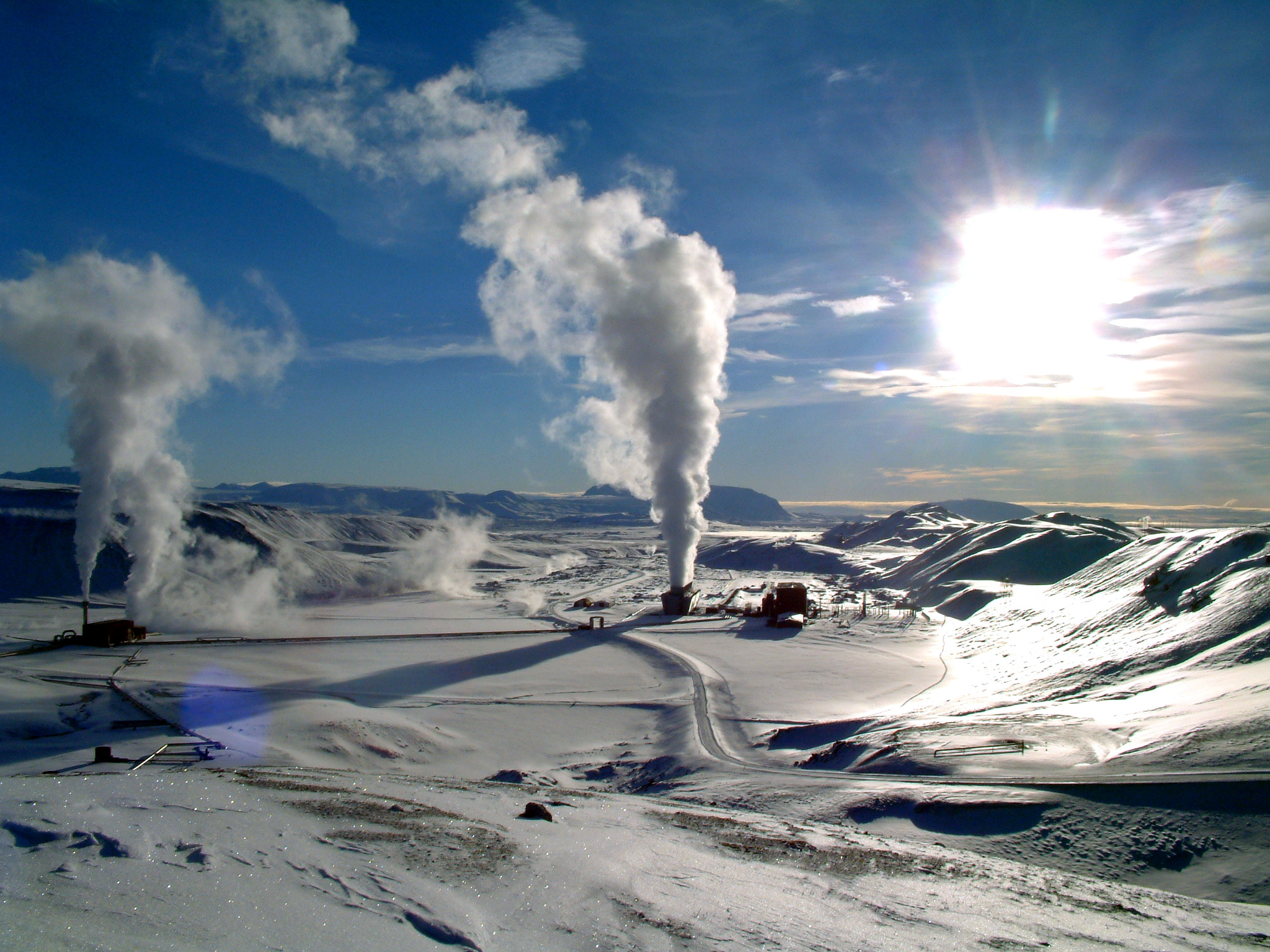
Did you know that upgrading to geothermal could do more than just slash your energy bills? It could also transform the air you breathe inside your home. While most people associate geothermal systems with energy efficiency and cost savings, the positive impact on indoor air quality is a significant, often overlooked, benefit that deserves attention.
Geothermal systems, also known as ground source heat pumps, utilize the earth's constant temperature to heat and cool your home. Unlike traditional HVAC systems that rely on burning fossil fuels and circulating air through dusty ductwork, geothermal systems offer a cleaner, more efficient way to regulate your indoor environment. This translates to tangible improvements in air quality, making your home a healthier and more comfortable place to live. One simple step you can take today to improve your existing air quality is to regularly change your air filters. While it's not a geothermal solution, it's a quick win that can make a noticeable difference.
Let's delve into the fascinating ways geothermal systems can revolutionize your indoor air quality, creating a healthier and more sustainable living space.
Geothermal Systems: A Breath of Fresh Air for Your Home
Geothermal heating and cooling systems work by transferring heat to and from the earth through a network of underground pipes, known as a ground loop. This process eliminates the need for combustion, which releases harmful pollutants into the atmosphere and, potentially, into your home. Furthermore, geothermal systems often utilize closed-loop systems, meaning the air inside your home is not constantly being recirculated through potentially contaminated ductwork.
How Geothermal Reduces Indoor Pollutants
Traditional HVAC systems can be breeding grounds for dust, allergens, mold, and other pollutants. Ductwork, often hidden and neglected, accumulates these contaminants over time. When the system is running, these particles are distributed throughout your home, impacting air quality and potentially triggering allergies or respiratory issues. Geothermal systems, however, minimize or eliminate ductwork altogether, significantly reducing the risk of pollutant recirculation. Here's how: Elimination of Combustion Byproducts:Geothermal systems don't burn fossil fuels, so there are no combustion byproducts like carbon monoxide, nitrogen oxides, and particulate matter released into the air. These pollutants can be detrimental to respiratory health and overall well-being.
Reduced Dust and Allergen Circulation: With less reliance on ductwork, there are fewer opportunities for dust, pollen, and other allergens to accumulate and circulate throughout your home. This is especially beneficial for individuals with allergies or asthma.
Lower Humidity Levels: Geothermal systems are known for their efficient dehumidification capabilities. By maintaining lower humidity levels, they inhibit the growth of mold and mildew, which are common indoor air pollutants that can cause respiratory problems and allergic reactions.
Superior Filtration Options: Many geothermal systems come equipped with advanced filtration options that can further purify the air by removing even the smallest particles, such as pet dander, smoke, and bacteria.
The Impact on Health and Well-being
The improved indoor air quality provided by geothermal systems can have a profound impact on your health and well-being. Cleaner air can lead to: Reduced Allergy Symptoms:Fewer allergens circulating in your home can significantly alleviate allergy symptoms such as sneezing, coughing, and watery eyes.
Improved Respiratory Health: The absence of combustion byproducts and pollutants can ease respiratory problems such as asthma and bronchitis.
Better Sleep Quality: Cleaner air can contribute to a more restful and rejuvenating sleep.
Increased Energy Levels: When your body isn't constantly fighting off the effects of poor air quality, you'll likely experience increased energy levels and overall vitality.
Real-World Example: The Smith Family's Story
The Smith family, residing in a suburban home with two children, suffered from recurring allergy issues. After switching to a geothermal system, they noticed a significant improvement in their indoor air quality. Their children experienced fewer allergy flare-ups, and everyone in the family reported feeling healthier and more energetic. They were amazed by the difference geothermal energy made.
Optimizing Your Geothermal System for Peak Air Quality
While geothermal systems inherently offer better air quality compared to traditional HVAC systems, there are steps you can take to further optimize their performance and ensure the cleanest possible indoor environment.
Proper Installation and Maintenance
The key to maximizing the air quality benefits of a geothermal system lies in proper installation and regular maintenance. A poorly installed or neglected system can compromise its efficiency and potentially introduce contaminants into your home.
Professional Installation: Ensure your geothermal system is installed by a qualified and experienced professional. A proper installation will guarantee optimal performance and prevent potential issues that could affect air quality.
Regular Inspections: Schedule regular inspections and maintenance checks to ensure your system is running efficiently and that all components are in good working order.
Filter Maintenance: Regularly clean or replace your air filters according to the manufacturer's recommendations. This will prevent dust and other particles from accumulating in the system and circulating throughout your home.
Ground Loop Maintenance: While less frequent, ground loop maintenance is crucial for long-term system performance. A qualified technician can inspect the ground loop for leaks or other issues that could affect its efficiency.
Choosing the Right Filtration
Selecting the right filtration system for your geothermal unit can significantly impact indoor air quality. Consider these factors when choosing a filter: MERV Rating:The Minimum Efficiency Reporting Value (MERV) rating indicates the filter's ability to capture particles of different sizes. Higher MERV ratings generally mean better filtration, but they can also restrict airflow. Consult with your HVAC technician to determine the appropriate MERV rating for your system.
Filter Type: Different types of filters are available, including pleated filters, electrostatic filters, and HEPA filters. HEPA filters are the most effective at removing even the smallest particles, but they may require a more powerful blower motor.
Air Purifiers: Complement your geothermal system with a standalone air purifier for enhanced air cleaning capabilities, particularly in rooms where you spend the most time.
Practical Tip: Monitor Your Indoor Humidity
Maintaining optimal humidity levels is crucial for preventing mold growth and promoting healthy indoor air quality. Use a hygrometer to monitor the humidity levels in your home, aiming for a range of 30-50%. Your geothermal system should help regulate humidity, but you may need to supplement with a dehumidifier or humidifier depending on your climate and the specific characteristics of your home.
Addressing Common Concerns About Geothermal and Air Quality
Many homeowners have questions about how geothermal systems impact air quality. Let's address some of the most frequently asked questions.
Will geothermal installation disrupt my home's existing air quality?
During the installation process, there will be some temporary disruption, especially if ductwork modifications are needed. However, professional installers take precautions to minimize dust and debris. Once the system is operational, it should significantly improve your air quality long-term compared to your previous system.
Are geothermal systems expensive to maintain for optimal air quality?
While geothermal systems have a higher upfront cost than traditional HVAC systems, their long-term operating and maintenance costs are generally lower. The improved energy efficiency translates to significant home energy savings, and the reduced need for duct cleaning and maintenance can further offset the initial investment.
Can geothermal systems eliminate all indoor air pollutants?
While geothermal systems can significantly reduce indoor air pollutants, they cannot eliminate them entirely. Sources of indoor air pollution can also include cleaning products, furniture, and outdoor air infiltration. It's essential to address these sources separately to achieve optimal indoor air quality.
What if I already have allergies or respiratory problems?
If you already have allergies or respiratory problems, switching to a geothermal system can be particularly beneficial. The improved air quality can help alleviate symptoms and improve your overall health. However, it's crucial to consult with your doctor or allergist to determine the best course of treatment for your specific condition.
How often should I change my geothermal system's air filter?
The frequency of air filter changes depends on factors such as the type of filter, the presence of pets, and the level of outdoor air pollution. As a general rule, you should check your filter monthly and replace it every 1-3 months. Refer to the manufacturer's recommendations for specific guidance.
By transitioning to a geothermal system, you're not just investing in home energy savings and sustainability; you're investing in the health and well-being of yourself and your family. With cleaner air and a more comfortable living environment, you can breathe easier knowing you've made a smart and responsible choice for your home and the planet.
Posting Komentar untuk "How Geothermal Systems Improve Indoor Air Quality"