
Practical Tips for Geothermal Cooling Efficiency
Imagine cutting your summer cooling bills while simultaneously reducing your carbon footprint. Sounds appealing, right? Geothermal cooling offers precisely that: a path to efficient and eco-friendly home comfort.
Geothermal cooling systems, also known as ground-source heat pumps, leverage the earth’s stable underground temperature to cool your home. Unlike traditional air conditioners that work harder on hotter days, geothermal systems tap into a consistently cooler resource, resulting in significant energy savings. Understanding how to maximize the efficiency of your geothermal cooling system can unlock even greater benefits for both your wallet and the planet.
One simple yet often overlooked step to boost your geothermal cooling efficiency is ensuring proper airflow throughout your home. Make sure your vents are unobstructed by furniture or curtains, and regularly clean or replace your air filters. Clogged filters force your system to work harder, reducing its efficiency and potentially shortening its lifespan.
Practical Tips for Geothermal Cooling Efficiency
Geothermal systems are a significant investment, but the long-term savings and environmental benefits are substantial. To truly reap those rewards, optimal efficiency is key. This means understanding how your system works, identifying potential areas for improvement, and implementing strategies to maximize its performance. Let's dive into some practical steps you can take.
Optimizing Your Geothermal System for Cooling
Geothermal systems are remarkably efficient at both heating and cooling. During the cooling season, they transfer heat from your home into the ground, using the earth as a natural heat sink. However, several factors can impact how effectively this heat transfer occurs.
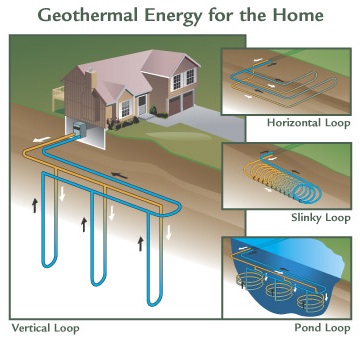
Understanding Your System's Components: At its core, a geothermal system consists of an underground loop (horizontal or vertical), a heat pump unit, and a distribution system (ductwork). Each component plays a crucial role in the cooling process.
The Ground Loop: This is the heart of the system, responsible for exchanging heat with the earth. The efficiency of your ground loop depends on its design, the type of soil, and its moisture content.
The Heat Pump Unit: This unit circulates refrigerant to absorb heat from your home and transfer it to the ground loop. Its efficiency is measured by its Energy Efficiency Ratio (EER) or Seasonal Energy Efficiency Ratio (SEER).
The Distribution System (Ductwork): This network of ducts delivers cooled air throughout your home. Leaky or poorly insulated ducts can significantly reduce efficiency.
Ground Loop Maintenance: The Foundation of Efficiency
The ground loop is the unsung hero of your geothermal system. Maintaining its health is crucial for long-term performance.
Monitoring Loop Pressure: Periodically check the pressure of your ground loop. Low pressure can indicate a leak or other issue that needs attention from a qualified technician.
Preventing Freezing: In colder climates, ensure that the antifreeze solution in your ground loop is properly maintained to prevent freezing, which can damage the system.
Avoiding Ground Cover Disruptions: Avoid planting trees or shrubs directly above your ground loop, as their roots can potentially damage the pipes. Similarly, avoid construction or digging in the area.
Regular Inspections: Schedule regular inspections with a certified geothermal technician to identify and address any potential issues before they become major problems.
Fine-Tuning Your Home for Optimal Cooling
The efficiency of your geothermal system isn't solely dependent on the system itself. Your home's construction and habits also play a significant role.
Insulation is Key: Proper insulation in your walls, attic, and floors is essential for keeping cool air in and hot air out. Consider upgrading your insulation to meet or exceed recommended R-values for your climate zone.
Seal Air Leaks: Seal any air leaks around windows, doors, and other openings to prevent conditioned air from escaping. Caulk and weather stripping are your friends!
Window Treatments Matter: Use window treatments like blinds, shades, or curtains to block sunlight and reduce heat gain during the hottest parts of the day.
Smart Thermostat Control: Install a programmable or smart thermostat to automatically adjust the temperature based on your schedule. This can prevent unnecessary cooling when you're not home.
Ceiling Fans for Comfort: Use ceiling fans to circulate air and improve comfort, allowing you to set your thermostat a few degrees higher without sacrificing comfort. This will lead to more home energy savings.
Understanding EER and SEER Ratings
When it comes to geothermal heat pumps, understanding the EER (Energy Efficiency Ratio) and SEER (Seasonal Energy Efficiency Ratio) is critical. These ratings indicate the cooling efficiency of the unit.
EER (Energy Efficiency Ratio): This measures the instantaneous cooling efficiency of the system at a specific operating point (typically 95°F outdoor temperature). A higher EER indicates greater efficiency.
SEER (Seasonal Energy Efficiency Ratio): This provides a more comprehensive measure of cooling efficiency over an entire cooling season, taking into account varying temperature conditions. Again, a higher SEER indicates greater efficiency.
Choosing the Right Unit: When selecting a new geothermal heat pump, prioritize units with high EER and SEER ratings to maximize your energy savings.
People Also Ask: Frequently Asked Questions About Geothermal Cooling Efficiency
Answering the most common questions can improve understanding and encourage adoption.
How often should I have my geothermal system serviced?
Annual servicing by a qualified geothermal technician is generally recommended. This includes inspecting the ground loop, heat pump unit, and ductwork, as well as checking refrigerant levels and performing any necessary maintenance.
Can I improve the efficiency of my existing geothermal system?
Yes! Many of the tips discussed above, such as improving insulation, sealing air leaks, and using smart thermostats, can significantly improve the efficiency of an existing system. A technician can also assess your system's performance and recommend specific upgrades or adjustments.
Is geothermal cooling more expensive than traditional air conditioning?
While the initial investment in a geothermal system is typically higher than that of a traditional air conditioning system, the long-term operating costs are significantly lower due to its superior energy efficiency. Over time, the savings in energy bills can offset the initial investment.
What is the lifespan of a geothermal system?
Geothermal systems are known for their durability and longevity. The underground loop can last for 50 years or more, while the heat pump unit typically lasts for 20-25 years with proper maintenance.
Troubleshooting Common Issues
Even the most efficient geothermal systems can experience occasional problems. Knowing how to troubleshoot common issues can save you time and money.
Reduced Cooling Performance: This could be caused by a dirty air filter, low refrigerant levels, or a problem with the ground loop. Start by checking and replacing the air filter. If the problem persists, contact a qualified technician.
Unusual Noises: Strange noises coming from the heat pump unit could indicate a mechanical issue. Turn off the system and contact a technician to diagnose and repair the problem.
System Not Turning On: Check the thermostat settings and the circuit breaker. If the system still doesn't turn on, there may be a more serious electrical issue that requires professional attention.
By taking a proactive approach to geothermal cooling efficiency, you can enjoy significant energy savings, reduce your environmental impact, and create a more comfortable and sustainable home. Small changes can add up to significant results. Embrace these practical tips, and you’ll be well on your way to maximizing the performance of your geothermal system for years to come.
Posting Komentar untuk "Practical Tips for Geothermal Cooling Efficiency"