
How to Inspect and Maintain Geothermal Ground Loops
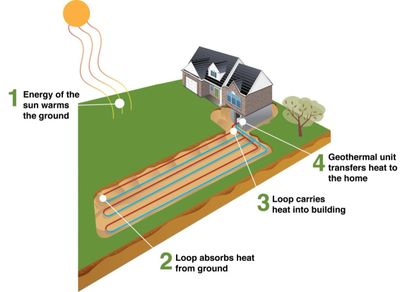
Imagine tapping into a constant, stable energy source right beneath your feet, offering remarkable savings on your heating and cooling bills. Geothermal energy makes this a reality, but like any essential home system, it requires regular attention to ensure peak performance and longevity.
Geothermal ground loops are the unsung heroes of your home's energy efficiency. These buried networks of pipes circulate fluid that absorbs or releases heat from the earth, providing a consistent temperature source for your geothermal heat pump. Properly inspecting and maintaining your ground loops is crucial for maximizing your system's lifespan, preventing costly repairs, and ensuring optimal home energy savings. Neglecting this vital component can lead to reduced efficiency, higher energy bills, and even system failure.
One simple, proactive step you can take is to regularly monitor your system's pressure. Keep an eye on the pressure gauges on your geothermal unit; significant drops or fluctuations can indicate leaks or other issues within the ground loop. Addressing these problems early can prevent more extensive damage down the line.
How to Inspect and Maintain Geothermal Ground Loops
Maintaining a geothermal system involves a blend of professional assessments and homeowner vigilance. While certain tasks are best left to qualified technicians, there are several aspects of ground loop maintenance that you can actively manage to ensure your system operates smoothly and efficiently for years to come. This guide will empower you to understand your geothermal system better and take proactive steps toward its upkeep.
Understanding Your Geothermal Ground Loop System
Before diving into inspection and maintenance, it's helpful to understand the basics of how a geothermal ground loop works. These systems utilize the earth's relatively constant temperature to either heat or cool your home. In winter, the ground loop absorbs heat from the earth and transfers it to your home via a geothermal heat pump. In summer, the process is reversed: heat is extracted from your home and dissipated into the cooler earth.
There are primarily two types of ground loop systems: Closed-loop systems: These are the most common type and circulate a refrigerant or antifreeze solution through a sealed network of pipes. Open-loop systems: These systems utilize well water as the heat exchange fluid. They are less common due to water quality concerns and regulations.
The type of system you have will influence the specific maintenance requirements. However, some general principles apply to all ground loop systems.
Visual Inspection: What to Look For
Regular visual inspections are a simple yet effective way to identify potential problems before they escalate.
Check Accessible Piping: Examine any exposed piping connected to your geothermal unit, both inside and outside your home. Look for signs of leaks, corrosion, or damage. Pay close attention to joints and connections. Monitor Pressure Gauges: Geothermal systems usually have pressure gauges located on the unit. Record the pressure readings regularly. Significant deviations from the normal range can indicate a problem. Consult your system's manual or a technician to understand the normal pressure range for your system. Observe System Performance: Be mindful of how your system is performing. Are you noticing any unusual noises, such as gurgling or hissing sounds? Is your home not heating or cooling as effectively as it used to? These could be signs of ground loop issues. Inspect the Area Around the Ground Loop Field (If Possible): While most of the ground loop is buried, check the surface area above the loop field for any signs of ground settlement, erosion, or unusual vegetation patterns. These could indicate underground leaks or damage.
Maintaining Optimal Fluid Levels and Pressure
The fluid circulating through your ground loop is crucial for efficient heat transfer. Maintaining the correct fluid levels and pressure is essential.
Closed-Loop Systems:
Pressure Monitoring: Regularly check the pressure gauge. A gradual decrease in pressure over time suggests a possible leak.
Fluid Top-Off: If the pressure drops below the recommended level, you may need to add fluid to the system. This should ideally be done by a qualified technician who can identify the cause of the pressure drop and use the correct type of fluid.
Fluid Quality: Over time, the fluid in a closed-loop system can degrade. Have a technician test the fluid periodically to ensure it has the correct p H balance and freeze protection. Open-Loop Systems:
Well Water Quality: The quality of the well water is critical. Regular testing for minerals, bacteria, and other contaminants is necessary.
Filter Maintenance: Open-loop systems typically have filters to remove sediment and debris from the water. Clean or replace these filters regularly, following the manufacturer's recommendations.
Scaling: Mineral buildup (scaling) can occur in open-loop systems, reducing efficiency. Periodic flushing or chemical treatment may be necessary to remove scaling.
Working with a Professional Geothermal Technician
While homeowners can handle some basic maintenance tasks, a professional geothermal technician is essential for more complex inspections and repairs. Schedule a professional inspection at least every 3-5 years, or more frequently if you notice any problems.
What to Expect During a Professional Inspection
Pressure Testing: The technician will perform a pressure test to check for leaks in the ground loop. Flow Rate Measurement: They will measure the flow rate of the fluid circulating through the loop to ensure it is within the optimal range. Fluid Analysis: The technician can analyze the fluid to check for contamination, degradation, or improper p H levels. System Performance Evaluation: They will assess the overall performance of your geothermal system and identify any potential issues. Ground Loop Thermal Conductivity Testing:In some cases, the technician may perform a thermal conductivity test to assess the efficiency of heat transfer between the ground loop and the earth. This test can help determine if the ground loop is properly sized for your home's heating and cooling needs.
Signs You Need a Professional
Significant Pressure Drop: A rapid or significant drop in system pressure is a serious concern. Unusual Noises: Gurgling, hissing, or banging sounds coming from the geothermal unit or piping. Reduced Heating/Cooling Performance: If your home is not heating or cooling as effectively as it used to. Visible Leaks: Any sign of water or refrigerant leaks around the system. System Shutdowns:Frequent system shutdowns or error messages.
Tips for Optimizing Geothermal Efficiency
Beyond routine maintenance, several steps can be taken to optimize the efficiency of your geothermal system and maximize your home energy savings.
Proper Insulation: Ensure your home is adequately insulated to minimize heat loss in winter and heat gain in summer. Seal Air Leaks: Seal any air leaks around windows, doors, and other openings to prevent drafts and energy waste. Programmable Thermostat: Use a programmable thermostat to automatically adjust the temperature when you are away or asleep. Landscaping: Consider landscaping around the ground loop field to improve its performance. For example, planting shallow-rooted vegetation can help maintain soil moisture and improve heat transfer. Avoid planting trees with deep roots that could damage the ground loop. Regular Air Filter Changes:Maintain your indoor air handler by changing the air filters regularly, this ensures efficient airflow and improves overall system performance.
People Also Ask: Geothermal Ground Loop FAQs
How long do geothermal ground loops last? With proper installation and maintenance, geothermal ground loops can last for 50 years or more. The lifespan of the heat pump unit itself is typically around 20-25 years. Can a geothermal ground loop freeze? In extremely cold climates, there is a risk of the ground loop freezing. However, properly designed and maintained systems use antifreeze solutions to prevent freezing. How much does it cost to repair a geothermal ground loop? The cost of repairing a ground loop can vary depending on the nature of the problem. Minor repairs, such as fixing a small leak, may cost a few hundred dollars. More extensive repairs, such as replacing a section of the ground loop, can cost several thousand dollars. Preventative maintenance can help avoid high costs for repairs. Can I install a geothermal system myself? While it may be tempting to DIY a geothermal installation, it is highly recommended to hire a qualified geothermal contractor. Proper installation is crucial for the system's performance and longevity. What are the environmental benefits of geothermal energy? Geothermal energy is a renewable and sustainable energy source that reduces reliance on fossil fuels, lowers greenhouse gas emissions, and minimizes environmental impact.
Taking proactive steps to inspect and maintain your geothermal ground loops not only protects your investment but also ensures years of comfortable, energy-efficient heating and cooling. By understanding the basics of your system, performing regular visual inspections, and working with a qualified technician, you can keep your geothermal system running smoothly and sustainably. Embrace the power of the earth beneath your feet and enjoy the lasting benefits of geothermal energy.
Posting Komentar untuk "How to Inspect and Maintain Geothermal Ground Loops"