
How Geothermal Systems Improve Indoor Comfort Naturally
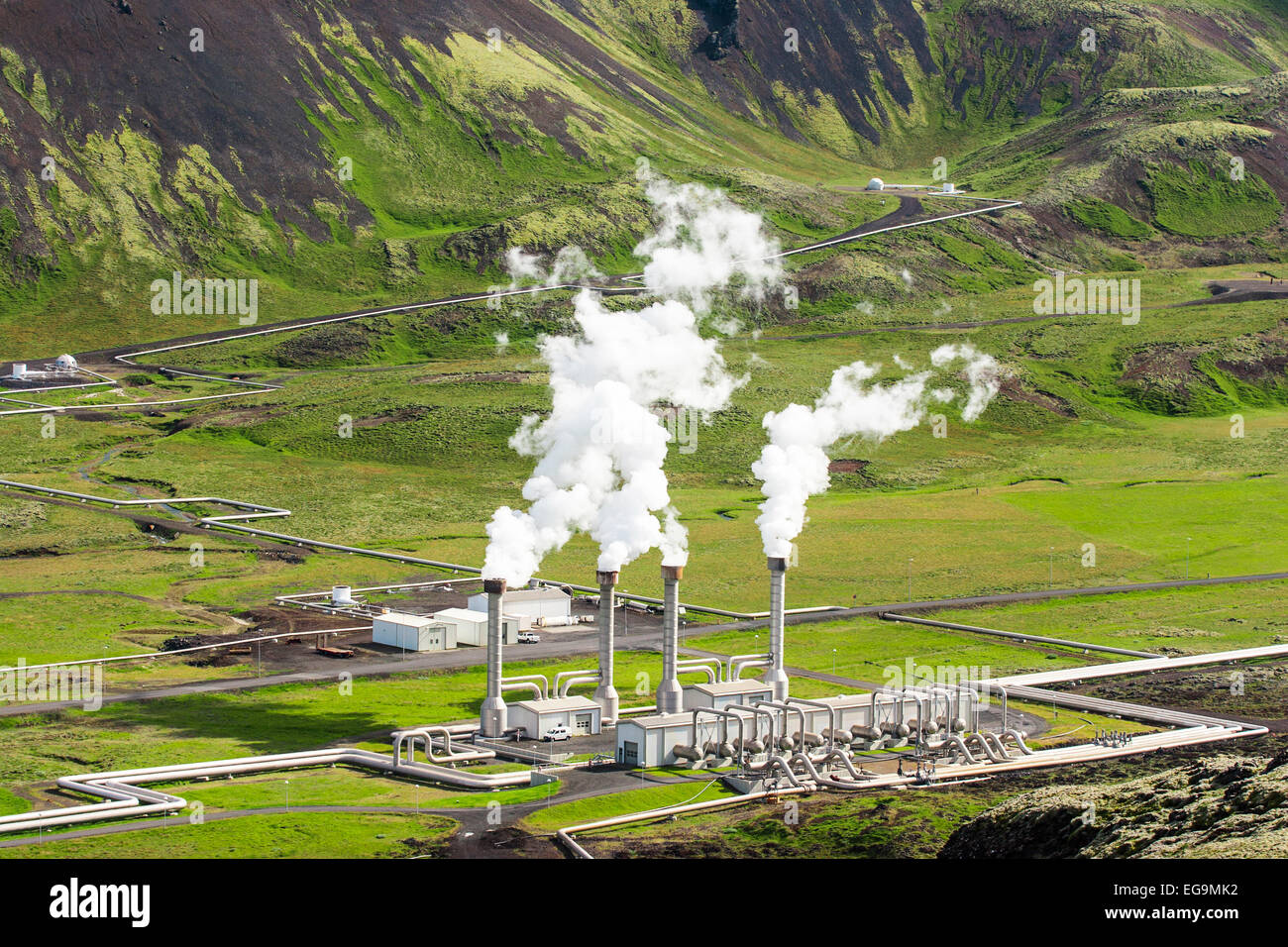
Imagine a home that stays perfectly comfortable year-round, without the temperature swings, drafts, and stuffiness we often accept as normal. What if this comfort came from a source that also dramatically reduces your energy bills and your environmental footprint? It's not just a dream. It's the reality of geothermal energy.
Geothermal systems tap into the earth's consistent, moderate temperatures to provide incredibly efficient heating and cooling. Unlike traditional HVAC systems that rely on outside air temperatures, geothermal leverages the stable underground temperature, typically between 45°F and 75°F, regardless of the season. This translates to a much smaller temperature difference to overcome, requiring significantly less energy to heat or cool your home. And that's why geothermal systems are gaining traction among homeowners who want better comfort and lower energy costs.
One of the most impactful first steps you can take towards understanding geothermal feasibility for your home is to contact a local, certified geothermal installer. They can assess your property, energy needs, and geological conditions to provide a personalized recommendation and cost estimate.
How Geothermal Systems Revolutionize Indoor Comfort
Geothermal heating and cooling offers a completely different approach to maintaining a comfortable indoor environment compared to conventional systems. It's not just about temperature control; it's about stability, air quality, and reducing those annoying temperature fluctuations that disrupt your comfort. Let's explore how geothermal achieves this.
Consistent, Even Temperatures: Traditional HVAC systems often cycle on and off, leading to temperature swings and hot or cold spots. Geothermal systems, however, provide a more consistent and even temperature throughout your home. Because they're not fighting against extreme outside air temperatures, they can operate more efficiently and maintain a steady, comfortable indoor climate. This means no more shivering in the winter or sweltering in the summer, just consistent comfort.
Improved Air Quality: Geothermal systems can also improve your indoor air quality. Since they don't rely on burning fossil fuels, there's no risk of carbon monoxide leaks. Additionally, geothermal systems can be integrated with air filtration systems to remove dust, pollen, and other allergens, creating a healthier indoor environment for you and your family. This is especially beneficial for people with allergies or respiratory problems.
Reduced Humidity: Maintaining optimal humidity levels is crucial for indoor comfort. Geothermal systems are effective at dehumidifying during the summer months, preventing that sticky, uncomfortable feeling. In the winter, they can help maintain a healthy level of humidity, preventing dry skin and respiratory irritation.
Quiet Operation: Tired of the noisy hum of your air conditioner or furnace? Geothermal systems operate much more quietly than traditional HVAC systems. The main unit is typically located indoors, and the ground loop is buried underground, minimizing noise pollution both inside and outside your home.
Understanding the Geothermal Process: Heating and Cooling Explained
To fully appreciate the comfort benefits of geothermal, it's helpful to understand how the system works in both heating and cooling modes:Heating Mode:
1.Heat Absorption: During the winter, the ground loop absorbs heat from the earth. Even when the air temperature is below freezing, the earth maintains a relatively constant temperature.
2.Heat Transfer: The heat pump circulates a refrigerant through the ground loop, absorbing the heat.
3.Compression: The refrigerant is then compressed, which increases its temperature.
4.Heat Distribution: The heated refrigerant is used to warm air or water, which is then circulated throughout your home.
Cooling Mode
1.Heat Absorption: In the summer, the process is reversed. The refrigerant absorbs heat from inside your home.
2.Heat Transfer: The heated refrigerant is then circulated through the ground loop, where the heat is transferred to the cooler earth.
3.Heat Rejection: The cooled refrigerant is then circulated back to the heat pump, where it absorbs more heat from your home.
4.Cool Air Distribution: This cooled refrigerant is used to cool air that is then circulated throughout your home, creating a comfortable indoor environment.
Practical Tip: Optimize Your Home for Geothermal Efficiency
Maximizing the benefits of your geothermal system involves more than just installation. Consider these steps to improve your home's overall energy efficiency, amplifying the performance of your geothermal system.
Improve Insulation: Ensure your home is adequately insulated in the walls, attic, and floors. Proper insulation minimizes heat loss in the winter and heat gain in the summer, reducing the workload on your geothermal system. Seal Air Leaks: Caulk and weatherstrip around windows and doors to seal air leaks. This prevents drafts and reduces energy waste. Focus especially on areas where different materials meet, such as around window frames or where pipes enter the home. Upgrade Windows: If you have old, single-pane windows, consider upgrading to energy-efficient double- or triple-pane windows. This can significantly reduce heat transfer and improve your home's comfort. Consider Smart Thermostats: A smart thermostat can learn your heating and cooling preferences and automatically adjust the temperature to optimize comfort and energy savings. Many models can be controlled remotely via a smartphone app. Proper Landscaping:Strategically planting trees and shrubs around your home can provide shade in the summer and block cold winds in the winter, further reducing your energy consumption. Deciduous trees are especially useful on the south side of your home, as they provide shade in the summer but allow sunlight through in the winter.
Geothermal vs. Traditional HVAC: A Comfort Comparison
Let's break down the specific advantages of geothermal compared to traditional heating and cooling systems in terms of indoor comfort:Temperature Consistency:
Geothermal: Provides consistent, even temperatures throughout the home. Traditional HVAC: Can result in temperature swings and hot or cold spots.
Air Quality
Geothermal: Improves air quality by reducing pollutants and allergens. Traditional HVAC: Can circulate dust, pollen, and other allergens. Furnaces can also pose a risk of carbon monoxide leaks if not properly maintained.
Humidity Control
Geothermal: Effectively dehumidifies in the summer and helps maintain healthy humidity levels in the winter. Traditional HVAC: May struggle to maintain optimal humidity levels, leading to discomfort.
Noise Levels
Geothermal: Operates much more quietly than traditional HVAC systems. Traditional HVAC: Can be noisy, especially when the outdoor unit is running.
Environmental Impact
Geothermal: Significantly reduces your carbon footprint by utilizing a renewable energy source. Traditional HVAC: Relies on fossil fuels or electricity generated from fossil fuels, contributing to greenhouse gas emissions.
Cost Savings
Geothermal: Offers substantial long-term energy savings due to its high efficiency. Traditional HVAC: Can be more expensive to operate due to lower energy efficiency.
In short, while the initial investment in a geothermal system might be higher, the long-term benefits in terms of comfort, air quality, environmental impact, and cost savings make it a compelling option for homeowners seeking a superior heating and cooling solution.
Addressing Common Misconceptions About Geothermal Systems
It's understandable to have questions or concerns about geothermal energy. Let's address some common misconceptions:Misconception 1: Geothermal systems are only suitable for certain climates.Reality:Geothermal systems can be used in virtually any climate. The earth's temperature remains relatively constant regardless of the outside air temperature, making geothermal an effective heating and cooling solution in both hot and cold climates.
Misconception 2: Geothermal systems are too expensive to install. Reality: While the initial investment in a geothermal system can be higher than traditional HVAC systems, the long-term energy savings and reduced maintenance costs can offset the initial expense over time. Government incentives and tax credits can also help reduce the upfront cost.
Misconception 3: Geothermal systems require a lot of land. Reality: Geothermal systems can be installed on properties of various sizes. Vertical ground loops require less land than horizontal loops. A qualified geothermal installer can assess your property and recommend the most suitable type of ground loop.
Misconception 4: Geothermal systems are difficult to maintain. Reality: Geothermal systems require less maintenance than traditional HVAC systems. The ground loop is buried underground and protected from the elements, reducing the risk of damage. Regular maintenance typically involves changing air filters and inspecting the system annually.
Misconception 5: Geothermal systems will disrupt my yard. Reality: While the installation of a ground loop does require some excavation, a professional installer will minimize disruption to your yard and restore it to its original condition. In some cases, directional drilling can be used to install the ground loop with minimal surface disturbance.
The Future of Home Comfort is Sustainable
As energy costs continue to rise and concerns about climate change intensify, homeowners are increasingly looking for sustainable and cost-effective ways to heat and cool their homes. Geothermal energy offers a promising solution, providing superior indoor comfort, improved air quality, and significant energy savings.
The transition to a geothermal system is an investment in your home, your comfort, and the environment. It's a step towards a more sustainable future, where homes are not only comfortable but also energy-efficient and environmentally responsible. By choosing geothermal, you're not just heating and cooling your home; you're contributing to a cleaner, healthier planet.
People Also Ask:
How long do geothermal systems last?
Geothermal heat pumps typically last 20-25 years, while the ground loop can last for 50 years or more. Proper maintenance can extend the lifespan of both components.
What are the different types of geothermal systems?
The main types are closed-loop (horizontal, vertical, and pond/lake) and open-loop systems. Closed-loop systems circulate a refrigerant through a closed system of underground pipes, while open-loop systems use groundwater as a heat source.
Are there any rebates or incentives for installing geothermal systems?
Yes, many government incentives, tax credits, and utility rebates are available for installing geothermal systems. Check with your local government and utility company for specific details.
Embrace the change. Explore geothermal energy and discover the difference it can make in your home's comfort, your wallet, and the world around you. You'll not only enjoy a more comfortable and healthier living environment but also contribute to a more sustainable future for generations to come.
Posting Komentar untuk "How Geothermal Systems Improve Indoor Comfort Naturally"