
Guidelines for Maintaining Geothermal Heat Exchangers
Imagine slashing your heating and cooling bills while shrinking your carbon footprint. Geothermal energy makes this dream a reality, harnessing the Earth's stable underground temperatures to efficiently heat and cool your home. But like any sophisticated system, your geothermal heat exchanger needs a little TLC to keep performing at its peak.
Maintaining your geothermal heat exchanger is crucial for maximizing its lifespan, efficiency, and the overall benefits of your investment in sustainable home energy. Neglecting regular maintenance can lead to decreased performance, costly repairs, and even system failure. This guide provides practical advice to help you ensure your geothermal system runs smoothly for years to come.
One simple yet impactful step you can take immediately is to regularly inspect the area around your outdoor ground loops (if visible) or your indoor unit for any signs of debris, vegetation overgrowth, or leaks. Addressing these minor issues promptly can prevent them from escalating into larger problems.
Understanding Geothermal Heat Exchangers
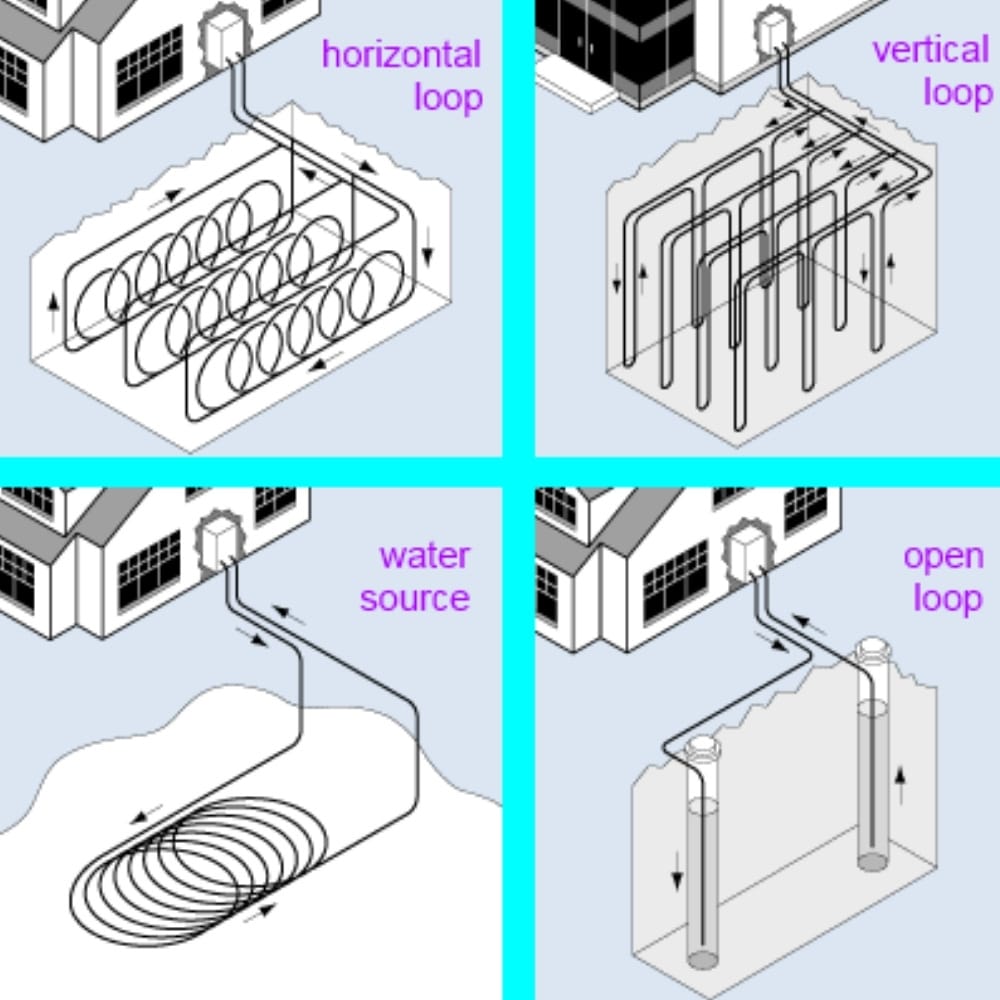
Geothermal heat exchangers, also known as ground loops, are the heart of your geothermal heating and cooling system. They're responsible for transferring heat between your home and the Earth. These loops, typically made of high-density polyethylene (HDPE) pipes, are buried underground, either horizontally or vertically, depending on your property and geological conditions. The fluid circulating within these pipes absorbs or releases heat to the surrounding ground, providing a consistent and efficient energy source for your home.
A key component of a well-functioning geothermal system is maintaining the integrity and efficiency of these heat exchangers. This involves ensuring proper fluid flow, preventing corrosion or scaling, and safeguarding against physical damage to the loops. Proper ground loop maintenance directly translates to optimal energy efficiency and significant home energy savings.
How Geothermal Heat Exchangers Work
Geothermal systems leverage the constant temperature of the Earth a few feet below the surface. In winter, the ground is warmer than the air, so the fluid in the ground loop absorbs heat from the Earth and carries it to your home. In summer, the process reverses; the fluid absorbs heat from your home and transfers it back into the cooler ground. This constant exchange provides a reliable and efficient source of heating and cooling, far superior to traditional HVAC systems.
Types of Geothermal Heat Exchangers
There are several types of geothermal heat exchangers, each with its own installation requirements and maintenance considerations: Horizontal Loops: These are typically installed in trenches a few feet deep and are best suited for properties with ample land. Vertical Loops: These require drilling deep into the ground and are ideal for properties with limited space. Pond/Lake Loops: These utilize a nearby body of water as the heat source/sink. Open-Loop Systems: These draw water directly from a well or aquifer, pass it through the heat pump, and then discharge it back into the environment. These are less common due to potential environmental concerns and require careful water quality monitoring.
Essential Maintenance Practices for Geothermal Systems
Regular maintenance is key to maximizing the lifespan and efficiency of your geothermal system. Here’s a breakdown of essential practices: Annual Inspections: Schedule annual inspections by a qualified geothermal technician. They can assess the overall system performance, check for leaks, and identify potential problems before they escalate. Fluid Flush and Fill: The fluid circulating in the ground loop is critical for heat transfer. Over time, this fluid can degrade or become contaminated. A professional should flush and refill the fluid every 3-5 years, depending on the system and fluid type. This ensures optimal heat transfer efficiency and protects against corrosion. Air Filter Replacement: Just like with any HVAC system, regularly replacing the air filter is essential for maintaining good air quality and preventing dust and debris from entering the system. Check and replace the filter every 1-3 months, depending on usage and air quality. Coil Cleaning: The indoor unit's coils can accumulate dust and debris, reducing their ability to transfer heat efficiently. Clean the coils annually using a soft brush or vacuum cleaner attachment. Ground Loop Monitoring: While the ground loop is buried underground, it's important to monitor the area around it for any signs of disturbance or damage. Avoid planting trees or shrubs directly above the ground loop, as their roots can potentially damage the pipes. Also, be mindful of any construction or excavation activities near the ground loop. Water Quality Testing (for Open-Loop Systems): If you have an open-loop system, regular water quality testing is essential to ensure the water is free from contaminants that could damage the heat pump or the ground loop.
Preventative Measures for Long-Term Performance
Taking preventative measures can significantly extend the life of your geothermal system and reduce the need for costly repairs. These include: Protecting Against Freezing: In colder climates, ensure that the ground loop fluid has adequate antifreeze protection to prevent freezing, which can damage the pipes. Maintaining Proper System Pressure: Regularly check the system pressure and ensure it's within the recommended range. Low pressure can indicate a leak, while high pressure can strain the system components. Addressing Leaks Promptly: If you suspect a leak in the ground loop or any other part of the system, address it promptly. Even a small leak can lead to significant energy loss and potential damage. Educating Yourself: Understanding the basics of your geothermal system and its components can help you identify potential problems early on and take appropriate action.
Troubleshooting Common Geothermal Issues
Even with regular maintenance, geothermal systems can sometimes experience issues. Here are some common problems and how to troubleshoot them: Reduced Heating or Cooling Performance: This could be due to a variety of factors, including a dirty air filter, low refrigerant levels, a malfunctioning compressor, or a problem with the ground loop. Start by checking the air filter and ensuring it's clean. If the problem persists, contact a qualified technician. Unusual Noises: Strange noises coming from the system could indicate a mechanical problem, such as a failing motor or a loose component. Investigate the source of the noise and contact a technician if necessary. System Cycling On and Off Frequently: This is known as short cycling and can be caused by a variety of factors, including a dirty air filter, low refrigerant levels, or a malfunctioning thermostat. Check the air filter first, and then contact a technician if the problem continues. Frozen Ground Loop: This is more common in colder climates and can be caused by inadequate antifreeze protection or a malfunctioning pump. Contact a technician immediately if you suspect a frozen ground loop. High Energy Bills:If your energy bills are higher than expected, it could indicate a problem with the geothermal system's efficiency. Check the air filter, ensure the system is properly maintained, and contact a technician to assess the overall system performance.
When to Call a Professional
While some maintenance tasks can be performed by homeowners, it's important to know when to call a qualified geothermal technician. Contact a professional for: Fluid Flush and Fill Refrigerant Leaks Compressor Problems Ground Loop Issues Electrical Problems Any Major Repairs
Attempting to repair complex components yourself can be dangerous and could void your system warranty.
Maximizing Energy Efficiency and Savings
Beyond regular maintenance, there are several steps you can take to further maximize the energy efficiency and savings of your geothermal system: Proper Insulation: Ensure your home is properly insulated to minimize heat loss in the winter and heat gain in the summer. This will reduce the load on your geothermal system and lower your energy bills. Sealing Air Leaks: Seal any air leaks around windows, doors, and other openings to prevent drafts and further improve energy efficiency. Smart Thermostat: Install a smart thermostat to automatically adjust the temperature based on your schedule and occupancy. This can significantly reduce energy waste. Energy-Efficient Appliances: Use energy-efficient appliances to further reduce your overall energy consumption. Regularly Monitor System Performance:Keep track of your energy bills and monitor the system's performance to identify any potential problems early on.
Understanding Return on Investment (ROI)
While geothermal systems require a significant initial investment, the long-term energy savings and environmental benefits can provide a substantial return on investment. Consider the following factors when evaluating the ROI of your geothermal system: Energy Savings: Geothermal systems can save you 30-70% on your heating and cooling costs compared to traditional HVAC systems. Lifespan: Geothermal systems typically last longer than traditional HVAC systems, reducing the need for replacements. Maintenance Costs: Geothermal systems generally require less maintenance than traditional HVAC systems. Environmental Benefits: Geothermal systems reduce your carbon footprint and contribute to a more sustainable future. Government Incentives:Many governments and utilities offer incentives for installing geothermal systems, which can help offset the initial cost.
FAQ: Geothermal Heat Exchangers
How often should I have my geothermal system serviced?
It's generally recommended to have your geothermal system professionally serviced at least once a year. This allows a qualified technician to inspect the system, check for any potential problems, and perform necessary maintenance tasks.
What are the signs of a problem with my geothermal ground loop?
Signs of a problem with your geothermal ground loop can include reduced heating or cooling performance, unusual noises, high energy bills, or a frozen ground loop (in colder climates). If you notice any of these signs, contact a qualified technician.
Can I clean the geothermal heat exchanger myself?
You can clean the indoor unit's coils and replace the air filter yourself. However, it's best to leave more complex maintenance tasks, such as fluid flush and fill or repairs to the ground loop, to a qualified technician.
How long do geothermal heat exchangers last?
Geothermal heat exchangers typically last for 50 years or more, provided they are properly installed and maintained.
Are geothermal systems environmentally friendly?
Yes, geothermal systems are a very environmentally friendly heating and cooling solution. They use a renewable energy source (the Earth's natural heat) and produce significantly fewer emissions than traditional HVAC systems.
Maintaining your geothermal heat exchanger doesn't have to be a daunting task. With a few simple steps and regular professional check-ups, you can ensure your system runs smoothly, efficiently, and reliably for decades to come. By prioritizing the health of your geothermal system, you’re not only safeguarding your investment but also contributing to a more sustainable future for all. Embrace the power of the Earth and enjoy the long-term benefits of your commitment to sustainable home energy.
Learn how to maintain your geothermal heat exchanger for optimal efficiency & home energy savings. Expert tips on ground loop maintenance, fluid flushing, and troubleshooting.
Posting Komentar untuk "Guidelines for Maintaining Geothermal Heat Exchangers"