
Step-by-Step Guide to Maintaining Geothermal Heat Pumps
Imagine a world where your home heating and cooling costs are consistently low, and your environmental footprint is significantly smaller. Geothermal energy offers this promise, but like any sophisticated system, your geothermal heat pump requires proper care to maintain peak performance and longevity.
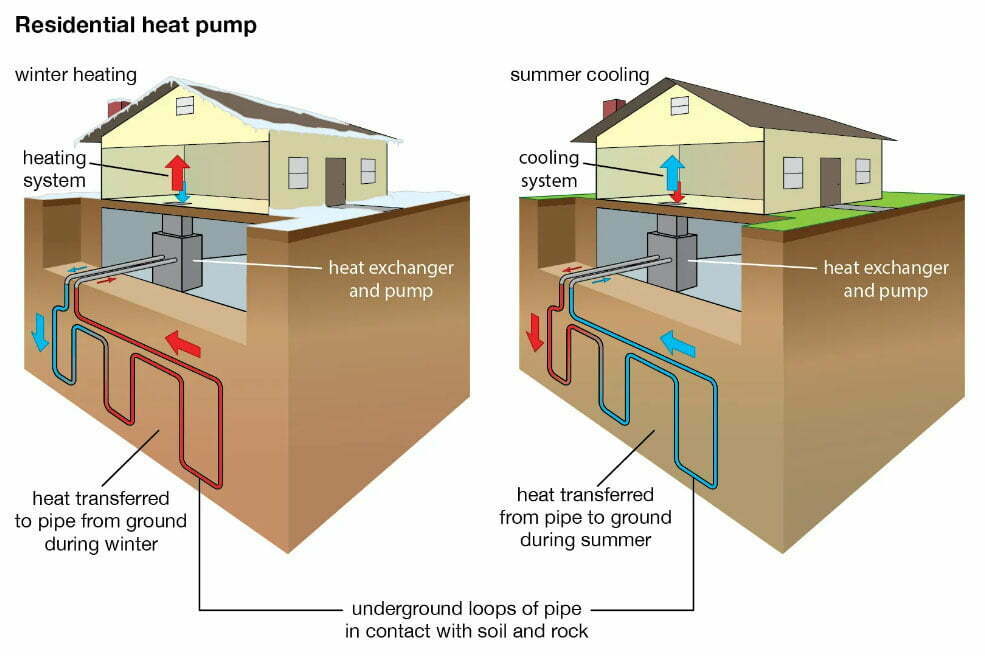
Geothermal heat pumps, also known as ground source heat pumps, tap into the earth’s stable underground temperatures to provide efficient heating and cooling. This technology offers remarkable energy efficiency and reduces reliance on fossil fuels. However, to unlock the full potential of your system, consistent maintenance is key. Neglecting upkeep can lead to decreased efficiency, costly repairs, and a shortened lifespan.
One of the simplest, yet most crucial, maintenance tasks is regularly checking and changing your air filters. A dirty air filter restricts airflow, forcing your system to work harder and reducing its efficiency. Aim to inspect your filter monthly and replace it every one to three months, depending on usage and air quality.
Your Step-by-Step Geothermal Heat Pump Maintenance Guide
Maintaining your geothermal heat pump isn't as daunting as it might seem. By following these simple steps, you can ensure your system operates efficiently for years to come, saving you money and contributing to a more sustainable future.
1. Regular Visual Inspections
Make it a habit to visually inspect your geothermal heat pump unit and surrounding area regularly. Look for any signs of damage, leaks, corrosion, or unusual noises. Early detection can prevent minor issues from escalating into major problems.
2. Air Filter Maintenance
As mentioned earlier, air filter maintenance is paramount.
Locate the air filter: This is usually located in the return air duct or within the indoor unit itself. Refer to your system's manual if you're unsure. Inspect the filter: Hold the filter up to a light source. If you can't see light clearly through it, it's time for a change. Replace the filter: Use the correct size and type of filter recommended by the manufacturer. Note the airflow direction on the filter and install it accordingly. Set a reminder: Create a recurring reminder in your calendar to inspect and replace your air filter regularly.
3. Cleaning the Unit
Dust and debris can accumulate on the unit and reduce its efficiency.
Turn off the power: Before cleaning, always disconnect the power supply to the unit. Clean the fins: Use a soft brush or vacuum cleaner with a brush attachment to gently remove dust and debris from the fins. Avoid bending or damaging the fins. Clean the surrounding area:Clear any vegetation or obstructions around the outdoor unit to ensure proper airflow.
4. Ground Loop Maintenance
The ground loop is a critical component of your geothermal system. While it's buried underground, there are a few things you can do to ensure its optimal performance.
Monitor loop pressure: If your system has pressure gauges, check them periodically to ensure they are within the recommended range. Significant pressure drops could indicate a leak. Avoid digging near the loop field: Be mindful of the location of your ground loop when landscaping or undertaking any digging projects. Maintain proper landscaping:Avoid planting trees or shrubs directly above the loop field, as their roots could potentially damage the piping.
5. Condensate Drain Line Maintenance
The condensate drain line removes excess moisture from the unit. A clogged drain line can lead to water damage and reduced efficiency.
Locate the drain line: This is usually a PVC pipe located near the indoor unit. Flush the drain line: Pour a cup of distilled vinegar down the drain line every few months to prevent algae and mold growth. Check for clogs:If you notice water backing up, use a wet/dry vacuum to remove any clogs from the drain line.
6. Professional Inspection and Maintenance
While you can handle many routine maintenance tasks yourself, it's essential to schedule professional inspections and maintenance at least once a year. A qualified HVAC technician can: Inspect all system components: Including the compressor, fan motor, and electrical connections. Check refrigerant levels: Low refrigerant levels can significantly reduce efficiency. Clean the coils: Dirty coils can impede heat transfer. Lubricate moving parts: To ensure smooth operation. Evaluate overall system performance:And identify any potential issues before they become major problems.
7. Monitor Energy Bills
Keep an eye on your energy bills to identify any significant changes in energy consumption. A sudden increase in energy usage could indicate a problem with your geothermal system.
Troubleshooting Common Geothermal Heat Pump Issues
Even with regular maintenance, you might encounter some common issues. Here's how to troubleshoot them: Insufficient heating or cooling: Check the air filter, thermostat settings, and ensure vents are not blocked. Unusual noises: Investigate the source of the noise. It could be a loose fan blade, a failing motor, or a problem with the compressor. System not turning on: Check the circuit breaker, thermostat settings, and power supply. Water leaks: Inspect the condensate drain line and surrounding area for leaks.
Important Note: If you are not comfortable troubleshooting or repairing your geothermal heat pump, it's best to contact a qualified HVAC technician.
Understanding Ground Loop Systems: Horizontal vs. Vertical
The ground loop is the heart of your geothermal system, responsible for exchanging heat with the earth. There are two primary types of ground loop systems: horizontal and vertical.
Horizontal Loops: These are typically installed in trenches several feet deep, requiring a larger land area. They are often more cost-effective to install if sufficient land is available.
Vertical Loops: These are installed in boreholes drilled deep into the ground, requiring less land area. They are often used when land is limited or when soil conditions are unfavorable for horizontal loops.
Regardless of the type of ground loop you have, proper installation and maintenance are crucial for optimal performance.
Maximizing Energy Efficiency with Geothermal
Beyond routine maintenance, there are several things you can do to maximize the energy efficiency of your geothermal system: Use a programmable thermostat: Set different temperature settings for when you are home, away, and asleep. Seal air leaks: Seal any air leaks around windows, doors, and ductwork to prevent energy loss. Improve insulation: Adding insulation to your attic, walls, and floors can reduce heat loss in the winter and heat gain in the summer. Use energy-efficient appliances: Choosing energy-efficient appliances can reduce your overall energy consumption.
People Also Ask:
How often should I change my geothermal heat pump's air filter?
Inspect your air filter monthly and replace it every one to three months, depending on usage and air quality. If you have pets or allergies, you may need to change it more frequently.
How do I know if my geothermal heat pump needs professional service?
If you notice any unusual noises, reduced efficiency, or water leaks, it's best to contact a qualified HVAC technician for professional service.
Can I install a geothermal heat pump myself?
While it's possible to install a geothermal heat pump yourself, it's a complex process that requires specialized knowledge and equipment. It's generally recommended to hire a qualified HVAC contractor for installation.
What is the lifespan of a geothermal heat pump?
With proper maintenance, a geothermal heat pump can last for 20-25 years or longer. The ground loop can last for 50 years or more.
Are geothermal heat pumps expensive to maintain?
Geothermal heat pumps generally require less maintenance than traditional HVAC systems. While professional inspections are recommended, the routine maintenance tasks are relatively simple and inexpensive.
By taking these steps, you're not just maintaining a machine; you're safeguarding a long-term investment in your home's comfort, your energy savings, and a more sustainable future. With consistent care and attention, your geothermal heat pump will continue to deliver efficient and reliable performance for years to come, proving that sustainable home energy is both achievable and rewarding.
Posting Komentar untuk "Step-by-Step Guide to Maintaining Geothermal Heat Pumps"