
How Geothermal Systems Function in Multi-Story Buildings
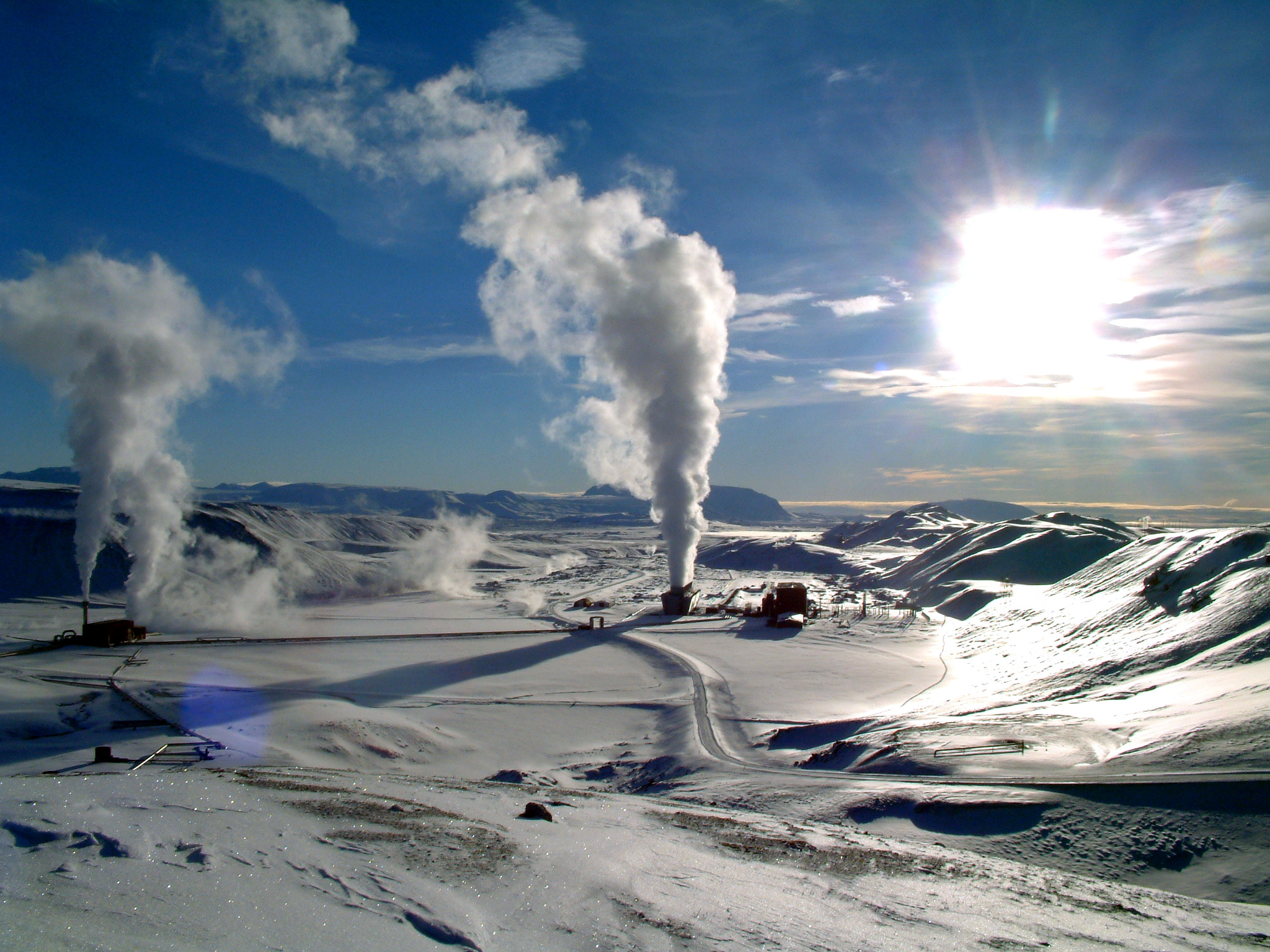
Imagine cutting your heating and cooling bills in half while shrinking your carbon footprint. Geothermal systems, leveraging the Earth's consistent temperature, are no longer just for sprawling ranch homes. They’re increasingly becoming a viable solution for multi-story buildings, offering significant energy efficiency and long-term cost savings.
Geothermal systems, also known as ground source heat pumps, tap into the stable temperature beneath the Earth's surface to provide heating, cooling, and even hot water. Unlike traditional HVAC systems that rely on fluctuating air temperatures, geothermal systems utilize the Earth's constant temperature (typically between 45°F and 75°F) as a heat source in the winter and a heat sink in the summer. This difference in temperature allows geothermal to be far more energy efficient and sustainable. For multi-story buildings, this presents unique engineering and installation challenges, but the rewards in terms of energy efficiency, reduced operating costs, and environmental impact are substantial.
One key element for maximizing your energy savings with geothermal is a properly designed and maintained ground loop. Regular inspections and occasional flushing can ensure optimal heat transfer and extend the lifespan of your system.
Geothermal Systems in Multi-Story Buildings: How They Work
The basic principles of geothermal heating and cooling remain the same regardless of building size, but scaling up for multi-story structures introduces complexity. Let's break down the core components and processes involved: Ground Loop:This is the heart of the geothermal system. It's a network of pipes, typically made of high-density polyethylene, buried either horizontally or vertically in the ground. The ground loop circulates a heat-transfer fluid (usually water or a water/antifreeze mixture) that absorbs or releases heat from the surrounding earth. In multi-story buildings, vertical ground loops are often preferred due to space constraints, requiring deep boreholes drilled into the ground.
Heat Pump: Located inside the building, the heat pump acts as a transfer station. In heating mode, it extracts heat from the fluid circulating in the ground loop and transfers it to the building's heating system (e.g., forced air, radiant floor). In cooling mode, the process is reversed: heat is extracted from the building and transferred to the ground loop.
Distribution System: This component distributes the heated or cooled air or water throughout the building. In multi-story buildings, this often involves a network of ductwork or piping that extends to each floor and individual units.
Monitoring and Control System: Modern geothermal systems incorporate sophisticated monitoring and control systems that optimize performance and energy efficiency. These systems can adjust fan speeds, pump rates, and other parameters to match the building's heating and cooling demands.
The installation process for multi-story buildings is more involved than for single-family homes. It requires careful planning, engineering expertise, and specialized equipment. The ground loop design must be tailored to the building's size, heating and cooling loads, and geological conditions.
Benefits of Geothermal for Multi-Story Buildings
Investing in geothermal for a multi-story building offers a compelling array of advantages: Significant Energy Savings:Geothermal systems can reduce heating and cooling costs by 30% to 70% compared to conventional HVAC systems. This translates to substantial savings over the system's lifespan.
Reduced Carbon Footprint: By utilizing renewable energy from the Earth, geothermal systems significantly reduce greenhouse gas emissions. This aligns with sustainability goals and enhances a building's environmental profile.
Quiet Operation: Geothermal heat pumps operate much more quietly than traditional air conditioners and furnaces, creating a more comfortable indoor environment.
Increased Property Value: Installing a geothermal system can increase a building's market value, making it more attractive to potential buyers or renters.
Long Lifespan: Geothermal systems typically have a longer lifespan than conventional HVAC systems. The ground loop can last for 50 years or more, while the heat pump itself can last for 20-25 years with proper maintenance.
Consistent Temperatures: Geothermal systems are exceptional at maintaining a consistent temperature across different spaces and levels of the building. This is because the ground temperature is stable regardless of the outside climate.
Lower Maintenance Costs: With fewer moving parts exposed to the elements, geothermal systems generally require less maintenance than traditional HVAC systems.
Challenges and Considerations
Despite the numerous benefits, there are challenges to consider when implementing geothermal in multi-story buildings: Higher Upfront Costs:The initial investment for a geothermal system can be higher than for conventional HVAC systems. However, the long-term savings and environmental benefits often outweigh the upfront costs.
Complex Installation: Installing a geothermal system in a multi-story building requires specialized expertise and equipment. Careful planning and coordination are essential.
Space Requirements: While vertical ground loops minimize surface space requirements, they still require drilling deep boreholes, which can be challenging in urban environments.
Geological Considerations: The suitability of a site for geothermal depends on the geological conditions. Soil type, groundwater levels, and bedrock depth can all affect the performance and cost of the system.
Permitting and Regulations: Geothermal installations may be subject to local permitting and regulations, which can vary depending on the location.
Sizing Considerations for Multi-Story Buildings
Properly sizing a geothermal system for a multi-story building is critical for optimal performance and energy efficiency. This requires a detailed analysis of the building's heating and cooling loads, taking into account factors such as:
Building size and layout
Insulation levels
Window types and orientation
Occupancy patterns
Climate conditions
This comprehensive assessment ensures that the geothermal system is adequately sized to meet the building's heating and cooling demands without being oversized, which can lead to inefficiencies.
Ground Loop Design: Vertical vs. Horizontal
For multi-story buildings, vertical ground loops are the most common choice due to space limitations. However, horizontal loops may be feasible in some cases.
Vertical Loops: These involve drilling deep boreholes (typically 150-400 feet deep) and installing U-shaped loops of pipe. Vertical loops require less surface area than horizontal loops, making them ideal for urban areas and sites with limited space.
Horizontal Loops: These involve burying pipes horizontally in trenches. Horizontal loops are less expensive to install than vertical loops but require significantly more land area. They are typically used in rural areas or on larger properties.
The choice between vertical and horizontal loops depends on the specific site conditions and building requirements.
Financing and Incentives for Geothermal Projects
The initial cost of installing a geothermal system can be a barrier for some building owners. However, various financing options and incentives are available to help offset the upfront costs: Federal Tax Credits:The federal government offers tax credits for installing geothermal systems in both residential and commercial buildings. These credits can significantly reduce the overall cost of the project.
State and Local Incentives: Many states and local governments offer additional incentives for geothermal installations, such as rebates, grants, and low-interest loans.
Utility Programs: Some utility companies offer rebates or other incentives for customers who install geothermal systems.
Energy Efficiency Loans: Specialized loan programs are available to finance energy efficiency upgrades, including geothermal installations.
Exploring these financing options and incentives can make geothermal more affordable and accessible for multi-story buildings.
Maintaining Optimal Performance
Once your geothermal system is installed, regular maintenance is essential to ensure optimal performance and longevity.
Here’s a simple checklist to keep in mind: Annual Inspections: Schedule annual inspections by a qualified geothermal technician to check the system's components, including the heat pump, ground loop, and distribution system. Filter Changes: Replace air filters regularly (typically every 1-3 months) to maintain good air quality and prevent the heat pump from overworking. Ground Loop Maintenance: Periodically check the pressure and fluid levels in the ground loop. Flushing the ground loop every 5-10 years can help remove any buildup of sediment or debris. System Monitoring: Keep an eye on the system's performance and efficiency. If you notice any unusual noises, temperature fluctuations, or increased energy bills, contact a qualified technician for assistance.
By following these maintenance tips, you can ensure that your geothermal system operates efficiently and reliably for many years to come.
People Also Ask: FAQs About Geothermal in Multi-Story Buildings
Can geothermal systems provide both heating and cooling?
Yes! That's one of the biggest advantages. Geothermal systems are heat pumps, so they can reverse the process. In the winter, they extract heat from the earth and transfer it into your building. In the summer, they extract heat from your building and transfer it back into the earth.
Are geothermal systems noisy?
Geothermal systems are generally very quiet. The heat pump itself makes some noise, but it's typically much quieter than a traditional air conditioner or furnace. And since the ground loop is buried underground, it doesn't produce any noise at all.
How long do geothermal systems last?
Geothermal systems are very durable and can last for many years. The ground loop can last for 50 years or more, while the heat pump itself can last for 20-25 years with proper maintenance.
Making the switch to geothermal in a multi-story building isn't just about reducing utility bills, it’s about creating a sustainable, comfortable, and valuable property for years to come. With careful planning, the right team, and an understanding of the technology, you can unlock the Earth’s natural energy and enjoy the many benefits of geothermal heating and cooling.
Posting Komentar untuk "How Geothermal Systems Function in Multi-Story Buildings"