
Understanding Closed Loop vs Open Loop Geothermal Systems
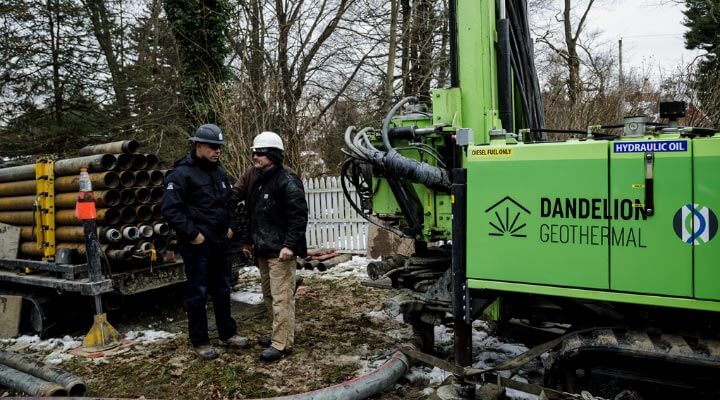
Imagine tapping into the Earth's constant, stable temperature to heat and cool your home – saving money and reducing your carbon footprint at the same time. Geothermal energy makes this possible, but understanding the different types of geothermal systems is key to choosing the right one for your property and needs.
At the heart of geothermal heating and cooling lies the ground loop, a network of pipes buried in the earth that circulates a heat-transfer fluid. This fluid absorbs heat from the ground in winter, carrying it to your home, and releases heat back into the ground in summer. The two main types of ground loop systems are closed loop and open loop, each with its own set of advantages and considerations. Choosing between them can feel daunting, but with a clear understanding of how they work, you can make an informed decision that maximizes your home energy savings and contributes to a more sustainable future.
Let's dive into understanding the differences between these systems, so you can confidently explore the potential of geothermal for your home.
Understanding Closed Loop vs. Open Loop Geothermal Systems
Closed-loop and open-loop geothermal systems both harness the earth's stable temperature for heating and cooling, but they differ significantly in how they circulate the heat-transfer fluid. Aclosed-loop system circulates a sealed supply of antifreeze solution (or sometimes water with additives) through a network of pipes buried in the ground. This fluid continuously cycles through the loop, absorbing and releasing heat without ever directly interacting with the surrounding environment. Anopen-loop system, on the other hand, uses a natural water source, such as a well or a pond, as its heat-exchange medium. Water is drawn from the source, circulated through the geothermal heat pump to extract or reject heat, and then returned to the same source (a "recharge well") or a different location (like a nearby stream, following local regulations).
The choice between closed and open loop depends on factors such as your property size, soil conditions, access to a suitable water source, and local regulations. Both systems offer significant energy efficiency and environmental benefits compared to traditional heating and cooling methods.
Closed Loop Geothermal Systems: A Detailed Look
Closed-loop systems are the more commonly installed type of geothermal system. They offer flexibility in installation and are suitable for a wider range of properties. There are several different configurations for closed-loop systems, each designed for specific site conditions and space constraints.
Types of Closed Loop Systems: Horizontal Loops: These are installed in trenches typically four to six feet deep. They require a large land area and are often used in new construction where sufficient space is available. Horizontal loops can be arranged in several ways: Straight Trenches: Several parallel trenches are dug, and pipes are laid horizontally within them.
Slinky Loops: The pipes are coiled in a "slinky" fashion within the trenches, allowing for more pipe length in a smaller area and increasing heat exchange efficiency. Vertical Loops: These are installed by drilling a series of boreholes, typically 150 to 400 feet deep. Vertical loops require less land area than horizontal loops, making them ideal for properties with limited space. Pond/Lake Loops:If you have access to a pond or lake, a closed loop can be submerged at least eight feet below the surface. This offers a cost-effective solution, as the water provides excellent heat transfer.
Advantages of Closed Loop Systems: Environmentally Friendly: Because the fluid is sealed within the loop, there is no risk of contaminating the surrounding environment. Wide Applicability: Suitable for a variety of soil conditions and property sizes. Lower Maintenance: Typically requires less maintenance than open-loop systems. Long Lifespan: Properly installed and maintained closed-loop systems can last for 50 years or more.
Disadvantages of Closed Loop Systems: Higher Initial Cost: Generally more expensive to install than open-loop systems, especially vertical loops. Land Requirement: Horizontal loops require a significant amount of land. Installation Complexity:Can be more complex to install than open-loop systems, requiring specialized equipment and expertise.
Open Loop Geothermal Systems: Harnessing Water Resources
Open-loop systems, also known as groundwater systems, offer a potentially cost-effective geothermal solution if you have access to a clean and sustainable water source. They work by drawing water from a well or other water body, passing it through the geothermal heat pump to extract or reject heat, and then discharging the water back into the environment.
Key Considerations for Open Loop Systems: Water Quality: The water source must be relatively clean and free of minerals and contaminants that could foul the heat pump. Water testing is crucial. Water Quantity: A sufficient and consistent supply of water is essential. The system's design must account for seasonal variations in water availability. Discharge Method: The method of discharging the water back into the environment must comply with local regulations. Common methods include: Reinjection Well: Returning the water to the same aquifer from which it was drawn. This is the most environmentally responsible option.
Surface Discharge: Discharging the water into a nearby stream or pond (subject to permitting). Local Regulations: Open-loop systems are subject to stricter regulations than closed-loop systems due to potential environmental impacts.
Advantages of Open Loop Systems: Lower Installation Cost: Can be less expensive to install than closed-loop systems, particularly if a suitable well already exists. Higher Efficiency: Often more efficient than closed-loop systems due to the direct use of groundwater.
Disadvantages of Open Loop Systems: Water Source Dependency: Reliant on a consistent and clean water source. Higher Maintenance: More prone to fouling and scaling due to mineral content in the water. Regular cleaning and maintenance are required. Environmental Concerns: Potential for groundwater contamination if not properly designed and maintained. Stricter Regulations: Subject to stricter regulations and permitting requirements. Limited Applicability:Not suitable for all locations due to water availability and quality constraints.
Choosing the Right System: Key Factors to Consider
Selecting the right geothermal system involves carefully evaluating several factors specific to your property and needs. Here's a breakdown of the key considerations: Property Size and Land Availability: Closed-loop horizontal systems require significant land area. If space is limited, a vertical closed-loop or open-loop system might be more suitable. Soil Conditions: The type of soil can affect the efficiency of closed-loop systems. Soil testing is recommended to determine thermal conductivity. Water Source Availability and Quality: Open-loop systems require a reliable and clean water source. Water testing is essential to assess suitability. Local Regulations and Permitting Requirements: Both closed and open-loop systems are subject to local regulations, but open-loop systems typically face stricter requirements. Budget: Closed-loop systems generally have a higher upfront cost, but open-loop systems can incur higher maintenance expenses. Energy Needs: The size of your home and your heating and cooling needs will influence the size and type of geothermal system required. Environmental Concerns:If minimizing environmental impact is a priority, a closed-loop system might be preferred due to its sealed design. However, a carefully designed and maintained open-loop system can also be environmentally responsible.
Expert Tip: Consult with a qualified geothermal contractor to assess your property and provide a customized recommendation. They can conduct site assessments, perform water testing, and navigate local regulations to ensure you choose the optimal system for your needs.
Ground Loop Maintenance: Ensuring Long-Term Performance
Proper maintenance is crucial for ensuring the long-term performance and efficiency of your geothermal system. While geothermal systems are generally reliable, regular check-ups can prevent problems and extend the lifespan of your investment.
For Closed-Loop Systems
Annual Inspection: Have a qualified technician inspect the system annually to check for leaks, pressure drops, and other issues. Fluid Check: The heat-transfer fluid should be checked periodically and replaced as needed. Air Purging:Air can accumulate in the loop over time, reducing efficiency. The system should be purged of air periodically.
For Open-Loop Systems
Regular Cleaning: Open-loop systems are prone to fouling and scaling due to mineral content in the water. Regular cleaning of the heat pump and well is essential. Water Testing: Periodically test the water quality to monitor for changes and ensure it remains suitable for the system. Well Maintenance:Wells require periodic maintenance to ensure proper flow and prevent clogging.
People Also Ask (FAQs)
What is the lifespan of a geothermal system?
A properly installed and maintained geothermal heat pump can last for 20-25 years, while the ground loop (both closed and open) can last for 50 years or more.
Are geothermal systems noisy?
No, geothermal systems are generally very quiet compared to traditional furnaces and air conditioners. The heat pump is typically located indoors, and the ground loop operates silently underground.
How does geothermal energy contribute to home energy savings?
Geothermal systems are significantly more energy-efficient than traditional heating and cooling systems because they utilize the earth's constant temperature, reducing the energy required to heat and cool your home. This translates into significant savings on your utility bills.
Choosing the right geothermal system for your home is a significant decision, and understanding the differences between closed and open loop systems is a vital first step. By carefully considering your property, energy needs, and environmental concerns, you can select a system that provides efficient, sustainable, and cost-effective heating and cooling for years to come. Take the time to research, consult with experts, and explore the potential of geothermal to unlock a more comfortable and environmentally friendly future for your home.
Posting Komentar untuk "Understanding Closed Loop vs Open Loop Geothermal Systems"