
Practical Tips for Extending the Life of Your Geothermal System
Imagine a home that stays comfortably warm in the winter and refreshingly cool in the summer, all while drastically reducing your carbon footprint and energy bills. Geothermal systems make this a reality, but like any valuable investment, they require proper care to ensure long-lasting performance and optimal energy efficiency.
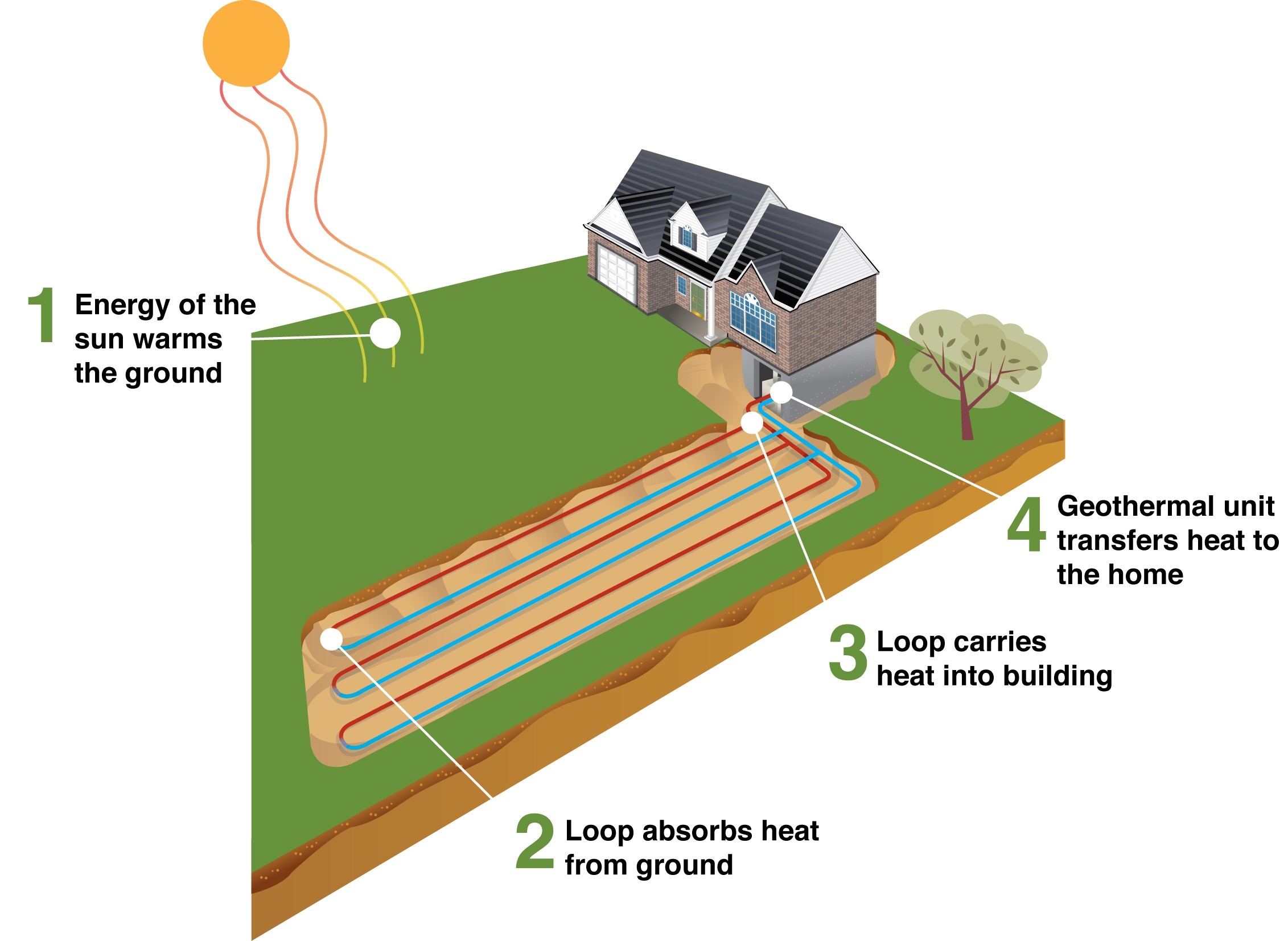
Geothermal heating and cooling systems are renowned for their efficiency and longevity. Unlike traditional HVAC systems that rely on fluctuating air temperatures, geothermal taps into the Earth's stable underground temperature to provide consistent comfort year-round. However, neglecting maintenance can shorten the lifespan of your geothermal system, reduce its efficiency, and lead to costly repairs. Properly maintaining your system not only maximizes your home energy savings but also contributes to a more sustainable home energy footprint.
One simple, yet crucial, tip is to regularly inspect and clean your air filters. Dirty filters restrict airflow, forcing your system to work harder and consume more energy. Aim to check your filters monthly and clean or replace them as needed. This small step can significantly improve your system's efficiency and extend its lifespan.
Practical Tips for Extending the Life of Your Geothermal System
Geothermal systems are a fantastic investment for homeowners looking to reduce their environmental impact and save money on energy bills. But to reap the full benefits of this sustainable home energy solution, you need to prioritize proper maintenance. These systems are generally reliable, but neglecting upkeep can lead to decreased efficiency, costly repairs, and a shorter lifespan. This guide provides practical tips to help you keep your geothermal system running smoothly for years to come.
Annual Professional Inspection and Maintenance
Just like your car needs regular check-ups, your geothermal system benefits from annual professional inspections. A qualified geothermal technician can identify potential problems early on, ensuring optimal performance and preventing costly breakdowns. During the inspection, the technician will typically: Check the refrigerant levels: Proper refrigerant levels are crucial for efficient heat transfer. Low levels can indicate a leak, which needs to be addressed promptly. Inspect the compressor: The compressor is the heart of the system, and its condition directly impacts efficiency. The technician will check for wear and tear and ensure it's operating correctly. Examine the blower motor: The blower motor circulates air throughout your home. The technician will inspect and lubricate the motor to ensure smooth operation. Inspect the ground loop: While the ground loop is buried underground, it's still important to ensure its integrity. The technician can check for leaks or damage. Check the pumps and valves:Ensuring that all pumps and valves are functioning properly is critical for maintaining efficiency.
Scheduling an annual inspection not only extends the life of your geothermal system but also helps you identify potential issues before they escalate into major problems. Think of it as an investment in the long-term health and efficiency of your home energy system.
Ground Loop Maintenance: Protecting Your Underground Investment
The ground loop is a critical component of your geothermal system, responsible for exchanging heat with the earth. While buried underground, it's essential to ensure its continued functionality. Ground loop maintenance primarily focuses on maintaining proper fluid levels and preventing damage.
Monitor System Pressure: Pay attention to any unusual pressure fluctuations in your geothermal system. Significant changes can indicate a leak in the ground loop. Contact a professional immediately if you suspect a leak. Maintain Proper Fluid Levels: The ground loop contains a mixture of water and antifreeze. Maintaining the correct fluid levels is crucial for efficient heat transfer. Your technician will check and replenish the fluid during annual maintenance. Avoid Disturbing the Ground Around the Loop: Be mindful of activities that could damage the ground loop, such as digging or planting trees near the buried pipes. Consult with a professional before undertaking any landscaping projects in the vicinity of the ground loop. Consider Regular Flushing (Every 5-10 Years): Over time, sediment and debris can accumulate in the ground loop, reducing its efficiency. Consider having your ground loop flushed by a professional every 5-10 years to maintain optimal performance.
Proper ground loop maintenance is essential for ensuring the long-term reliability and efficiency of your geothermal system. Addressing potential issues proactively can prevent costly repairs and extend the lifespan of your system.
Optimizing System Settings for Home Energy Savings
Beyond routine maintenance, optimizing your system settings can significantly impact its energy efficiency and lifespan. Understanding how to adjust your thermostat and system settings can lead to substantial home energy savings.
Program Your Thermostat: A programmable thermostat allows you to set different temperatures for different times of the day, optimizing energy usage based on your schedule. Lower the temperature when you're away from home or asleep to save energy. Avoid Extreme Temperature Changes: Setting your thermostat to extreme temperatures can strain your geothermal system. Instead, opt for gradual temperature changes to maintain consistent comfort and minimize energy consumption. Use the "Auto" Setting: On most geothermal systems, the "Auto" setting allows the system to automatically switch between heating and cooling modes as needed. This helps maintain consistent temperatures and prevents unnecessary energy usage. Optimize Fan Settings: Experiment with different fan settings to find the most efficient option for your home. In some cases, running the fan continuously can improve air circulation and reduce temperature imbalances. However, in other cases, running the fan only when heating or cooling may be more energy-efficient.
By taking the time to understand and optimize your system settings, you can maximize energy efficiency, minimize strain on your geothermal system, and extend its lifespan.
Addressing Common Issues and Troubleshooting
Even with regular maintenance, you may encounter occasional issues with your geothermal system. Knowing how to troubleshoot common problems can save you time and money.
Reduced Heating or Cooling Performance: If you notice a decrease in heating or cooling performance, check your air filters first. Dirty filters are a common culprit. If the filters are clean, contact a professional to diagnose the problem. It could be a refrigerant issue, compressor problem, or ground loop issue. Unusual Noises: Strange noises, such as banging, hissing, or grinding, can indicate a problem with your geothermal system. Contact a professional to investigate the source of the noise and recommend appropriate repairs. Ignoring unusual noises can lead to more serious damage. System Cycling On and Off Frequently: If your geothermal system cycles on and off frequently, it could indicate a problem with the thermostat, refrigerant levels, or compressor. Contact a professional to diagnose the cause of the short cycling. Ice Buildup on the Outdoor Unit: In colder climates, ice can sometimes build up on the outdoor unit of a geothermal system. If you notice excessive ice buildup, contact a professional. It could indicate a problem with the defrost cycle.
Knowing how to troubleshoot common issues and address them promptly can prevent minor problems from escalating into major repairs. Always consult with a qualified professional for any complex or persistent issues.
The Importance of Water Quality
The water quality within your geothermal system’s loop plays a pivotal role in its efficiency and lifespan. Impurities, mineral buildup, and improper p H levels can lead to corrosion, reduced heat transfer, and ultimately, system failure.
Regular Water Testing: Implement a schedule for regular water testing, ideally performed by a qualified geothermal technician. These tests will assess p H levels, mineral content, and the presence of any contaminants. The frequency of testing depends on local water conditions, but an annual check is generally recommended. Corrosion Inhibitors: Consider adding corrosion inhibitors to the system’s water loop. These chemicals help to protect metallic components from corrosion caused by acidic or alkaline water. A technician can advise on the appropriate type and concentration of inhibitor for your specific system. Flush and Refill: Periodically flush and refill the water loop to remove accumulated sediments and contaminants. This process involves draining the existing water, cleaning the loop, and refilling it with fresh, treated water. The frequency of flushing depends on the water quality and system usage but is generally recommended every 5-10 years. Water Softeners: In areas with hard water, installing a water softener can significantly reduce mineral buildup in the system. Softened water helps to prevent scale formation on heat exchangers and other components, ensuring optimal heat transfer efficiency.
Maintaining optimal water quality within your geothermal system’s loop is a proactive measure that safeguards against corrosion, scaling, and performance degradation. By implementing a regular water testing and treatment program, you can extend the lifespan of your system and maximize its energy efficiency.
Selecting a Qualified Geothermal Technician
Choosing the right geothermal technician is essential for ensuring proper maintenance, repairs, and long-term system performance. Not all HVAC technicians are familiar with geothermal systems, so it’s crucial to select someone with specialized knowledge and experience.
Look for Certifications: Seek out technicians with certifications from reputable organizations, such as the International Ground Source Heat Pump Association (IGSHPA). These certifications demonstrate that the technician has undergone specialized training and possesses the necessary skills to work on geothermal systems. Check Experience: Inquire about the technician’s experience working with geothermal systems. Ask how many geothermal installations and repairs they have completed. A technician with a proven track record is more likely to provide quality service. Read Reviews and Testimonials: Check online reviews and testimonials to get a sense of the technician’s reputation. Look for comments about their professionalism, expertise, and customer service. Ask for References: Request references from previous clients and contact them to inquire about their experience with the technician. A reputable technician should be happy to provide references. Get Multiple Quotes:Obtain quotes from multiple technicians before making a decision. Compare their prices, services, and experience to ensure you’re getting the best value for your money.
Selecting a qualified geothermal technician is a crucial step in protecting your investment and ensuring the long-term health of your system. Take the time to research your options and choose someone with the knowledge, experience, and reputation to provide quality service.
Documenting Maintenance and Repairs
Maintaining detailed records of all maintenance and repairs performed on your geothermal system is crucial for tracking its performance, identifying potential problems, and ensuring warranty coverage.
Keep a Logbook: Create a logbook to record all maintenance activities, including dates, descriptions of services performed, and the name of the technician. Save Invoices and Receipts: Retain all invoices and receipts for maintenance and repairs. These documents serve as proof of service and can be helpful for warranty claims. Record System Performance Data: Periodically record system performance data, such as energy consumption, operating temperatures, and refrigerant pressures. This data can help you track changes in efficiency over time and identify potential problems. Keep Warranty Information: Store all warranty documents in a safe place. Familiarize yourself with the terms of the warranty and the procedures for filing a claim. Share Information with Future Owners:If you sell your home, be sure to provide the maintenance and repair records to the new owners. This information will help them maintain the system properly and ensure its continued performance.
By documenting all maintenance and repairs, you can track the performance of your geothermal system, identify potential problems early on, and ensure warranty coverage. This proactive approach will help you extend the lifespan of your system and maximize its energy efficiency.
People Also Ask: Common Geothermal FAQs
Here are some of the most frequently asked questions regarding the longevity and care of geothermal systems.
How long does a geothermal system typically last?
With proper maintenance, a geothermal system can last for 20-25 years, and the ground loop itself can last for 50 years or more.
How often should I have my geothermal system professionally inspected?
Annual professional inspections are recommended to ensure optimal performance and prevent costly repairs.
What are the most common signs that my geothermal system needs repair?
Reduced heating or cooling performance, unusual noises, frequent cycling, and ice buildup on the outdoor unit are all signs that your system may need repair.
Can I perform some of the maintenance tasks myself?
Yes, you can clean or replace air filters, monitor system pressure, and optimize thermostat settings. However, more complex tasks, such as refrigerant checks and ground loop maintenance, should be performed by a qualified professional.
Does geothermal system maintenance help with home energy savings?
Absolutely! Proper maintenance ensures your system operates efficiently, reducing energy consumption and lowering your utility bills.
Investing in a geothermal system is a commitment to sustainable home energy and long-term savings. By following these practical tips and prioritizing regular maintenance, you can ensure that your geothermal system operates efficiently and reliably for years to come. Embrace these proactive steps, and you'll not only enjoy consistent comfort and reduced energy bills but also contribute to a greener future.
Posting Komentar untuk "Practical Tips for Extending the Life of Your Geothermal System"