
Practical Guide to Geothermal Cooling for Hot Regions
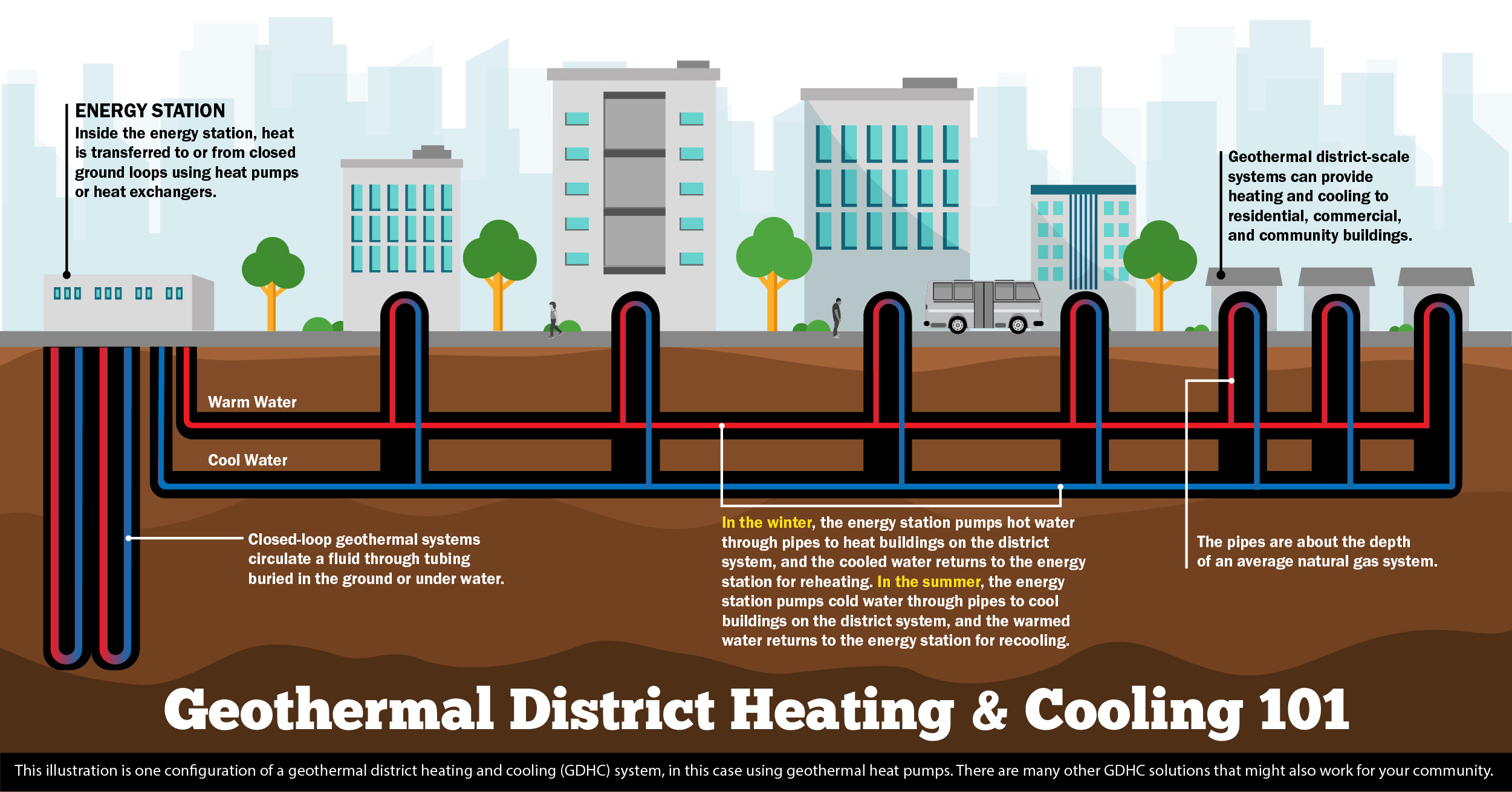
Imagine a world where the scorching summer heat becomes a distant memory inside your home, and your energy bills plummet simultaneously. Geothermal cooling offers that promise, transforming the earth beneath your feet into a powerful ally against rising temperatures and energy costs.
Geothermal cooling leverages the earth's stable underground temperature to provide efficient and eco-friendly air conditioning. Unlike traditional air conditioners that expend immense energy compressing refrigerants and blasting hot air outside, geothermal systems utilize a network of underground pipes to circulate a fluid that either absorbs heat from your home or releases it into the ground. This gentle exchange dramatically reduces energy consumption, providing significant home energy savings and contributing to a more sustainable future. Let's explore how this innovative technology can be a game-changer, especially in hot regions.
Here’s a practical tip to get you started: Consider a professional energy audit of your home to identify any existing insulation gaps or inefficiencies. Addressing these issues will maximize the impact of any cooling system, including geothermal, and further reduce your energy bills.
Understanding Geothermal Cooling
Geothermal cooling, also known as ground-source cooling, isn't just a trend; it's a proven technology that taps into a readily available and renewable resource: the earth's constant temperature. Below a certain depth (typically around 6 feet), the ground maintains a relatively stable temperature year-round, regardless of the surface weather. In hot regions, this underground temperature is significantly cooler than the air temperature during the summer months.
A geothermal cooling system uses a network of underground pipes, called a ground loop, to circulate a fluid (typically water or a water-antifreeze mixture). This fluid absorbs heat from your home and transfers it into the cooler earth. The cooled fluid then returns to your home, providing refreshing air conditioning. The system works in reverse during the winter, extracting heat from the earth and bringing it into your home for heating.
This process is significantly more energy-efficient than traditional air conditioning because it doesn't rely on energy-intensive compressors to cool the air directly. Instead, it utilizes the earth's natural cooling capacity, resulting in substantial energy efficiency and lower operating costs. Furthermore, because geothermal systems use a closed-loop system, they have minimal environmental impact.
Types of Geothermal Systems
Choosing the right geothermal system depends on your property size, soil conditions, and budget. Here’s a breakdown of the common types: Horizontal Loops: These are the most common type, especially for new construction, as they require a large horizontal area for installation. Pipes are buried in trenches, typically 6-8 feet deep. Vertical Loops: These are ideal for properties with limited space. Deep, narrow boreholes are drilled, and pipes are inserted vertically into the ground. Pond/Lake Loops: If you have a large pond or lake on your property, you can use it as a heat sink. Pipes are submerged at a sufficient depth to avoid freezing and maintain a stable temperature. Direct Exchange (DX) Systems: These systems circulate refrigerant directly through the ground loop, eliminating the need for a separate water-to-refrigerant heat exchanger. While they can be more efficient, they are less common due to potential refrigerant leaks.
Benefits of Geothermal Cooling in Hot Climates
The advantages of geothermal cooling are amplified in hot climates where traditional air conditioning systems struggle to keep up, consuming massive amounts of energy and driving up electricity bills. Geothermal offers a more sustainable and cost-effective alternative.
Firstly, theenergy savings are significant. Geothermal systems can reduce your cooling energy consumption by 30-60% compared to conventional air conditioners. This translates to substantial savings on your monthly utility bills, especially during peak summer months.
Secondly,*improved comfort. Geothermal systems provide consistent and even cooling throughout your home, eliminating hot spots and temperature fluctuations. The gentle air circulation also reduces dust and allergens, improving indoor air quality.
Thirdly,*environmental friendliness. Geothermal systems are a sustainable home energy solution. They use a renewable energy source (the earth's natural temperature) and produce minimal emissions, contributing to a smaller carbon footprint. They also eliminate the need for ozone-depleting refrigerants used in traditional air conditioners.
Fourthly,*increased property value. Installing a geothermal system can significantly increase your home's value. As energy efficiency becomes increasingly important to homebuyers, a geothermal system becomes a valuable selling point.
Finally,*long lifespan and low maintenance. Geothermal systems are built to last, with ground loops typically lasting for 50 years or more. The indoor components require minimal maintenance, further reducing your long-term costs.
How to Calculate Potential Savings
While the exact savings depend on various factors, you can estimate your potential savings by comparing the Coefficient of Performance (COP) of a geothermal system to the Energy Efficiency Ratio (EER) of your existing air conditioner. Geothermal systems typically have a COP of 3-5, meaning they produce 3-5 units of cooling for every unit of energy consumed. Compare this to your air conditioner's EER rating (usually found on the unit), and you'll get a good idea of the potential energy savings. Don’t forget to factor in potential rebates or incentives offered by your local utility company or government.
Installation Considerations and Costs
Installing a geothermal cooling system is a significant investment, but it's essential to view it as a long-term investment that pays for itself over time through energy savings. The upfront costs can vary depending on the type of system, the size of your property, and the complexity of the installation.
The first step is to*consult with a qualified geothermal installer. They will assess your property, conduct a soil analysis, and recommend the best type of system for your needs. Get multiple quotes from different installers to ensure you're getting a competitive price.
Next,*consider the ground loop installation. This is the most labor-intensive part of the process and can involve excavation, drilling, or trenching. The cost will depend on the type of ground loop and the difficulty of the installation.
Finally,factor in the cost of the indoor components, such as the heat pump and ductwork. These components need to be sized correctly to ensure optimal performance.
While the upfront costs can be higher than traditional air conditioning systems, remember to factor in the long-term energy savings, reduced maintenance costs, and potential increase in property value. Many government and utility companies offer rebates and incentives to offset the initial investment, making geothermal cooling more accessible.
Financing Options for Geothermal Systems
Exploring financing options can make geothermal cooling more affordable. Options include:Home equity loans: Leverage the equity in your home to secure a loan for the installation. Green energy loans: Some lenders offer specialized loans for energy-efficient home improvements. Government-backed programs: Check for federal, state, or local programs that offer grants or low-interest loans for renewable energy projects. Utility company financing: Some utility companies offer financing options to encourage energy efficiency.
Maintaining Your Geothermal Cooling System
Once your geothermal system is installed, it requires minimal maintenance to ensure optimal performance and longevity.
Regular inspections are key. Schedule annual checkups with a qualified technician to inspect the system, clean the coils, and check for any leaks or problems.
Keep the ground loop area clear. Avoid planting trees or building structures directly over the ground loop, as this can interfere with its performance.
Monitor your system's performance. Pay attention to your energy bills and any unusual noises or smells. If you notice any problems, contact your installer immediately.
Consider flushing the ground loop. Over time, mineral deposits can build up in the ground loop, reducing its efficiency. Flushing the loop every 5-10 years can help maintain optimal performance.
Troubleshooting Common Geothermal Cooling Issues
Reduced cooling capacity: Check the air filter and clean it regularly. Make sure the outdoor unit is free of debris. Unusual noises: This could indicate a problem with the compressor or other components. Contact a technician for inspection. High energy bills:This could indicate a problem with the system's efficiency. Check the thermostat settings and schedule a system inspection.
Frequently Asked Questions (FAQs)
How long does a geothermal cooling system last?
The ground loop, the most significant part of the system, can last for 50 years or more with proper maintenance. The indoor components, such as the heat pump, typically last for 15-20 years.
Is geothermal cooling noisy?
Geothermal systems are generally quieter than traditional air conditioners. The outdoor unit is eliminated, and the indoor unit operates more quietly due to the gentler air circulation.
Can I install a geothermal system in an existing home?
Yes, geothermal systems can be installed in existing homes. However, the installation process may be more complex and costly than installing in new construction.
What happens if the power goes out?
Geothermal systems require electricity to operate the heat pump and circulation fans. During a power outage, the system will not function. Consider installing a backup generator to ensure uninterrupted cooling.
Is geothermal cooling suitable for all climates?
While geothermal systems are effective in all climates, they are particularly beneficial in hot and cold climates where they can provide significant energy savings.
Making the switch to geothermal cooling is a powerful step towards a more sustainable and comfortable future. By harnessing the earth's natural cooling capacity, you can dramatically reduce your energy bills, minimize your environmental impact, and create a more enjoyable living environment. The initial investment is worthwhile, and with proper planning and maintenance, you'll be enjoying the benefits of geothermal cooling for many years to come. You've got this – embrace the power of the earth!
Posting Komentar untuk "Practical Guide to Geothermal Cooling for Hot Regions"