
How Geothermal Systems Improve Indoor Air Quality
Imagine breathing easier in your own home, knowing the air you’re inhaling is cleaner and healthier than ever before. That’s not just a dream; it’s the reality many homeowners are discovering with geothermal systems.
Geothermal heating and cooling offers a pathway to significant home energy savings, but its benefits extend far beyond just lower utility bills. One of the most compelling advantages is improved indoor air quality, which directly impacts your health and well-being. By eliminating many of the pollutants and allergens associated with traditional HVAC systems, geothermal systems create a more comfortable and healthier living environment.
If you’re concerned about allergens, dust, or other pollutants circulating in your home, it’s time to take action. Schedule a professional inspection of your current HVAC system and inquire about air duct cleaning. This simple step can significantly reduce indoor air pollutants, creating a fresher and healthier home environment while you explore sustainable home energy options.
How Geothermal Systems Enhance Indoor Air Quality
Traditional heating and cooling systems can introduce pollutants into your home. Furnaces, for example, burn fossil fuels, which can release carbon monoxide and other harmful gases if not properly ventilated. Forced-air systems also circulate dust, allergens, and other particles throughout the house. Geothermal systems, on the other hand, offer a cleaner and more efficient alternative. They rely on the stable temperature of the earth to heat and cool your home, eliminating the need for combustion and minimizing the circulation of pollutants.
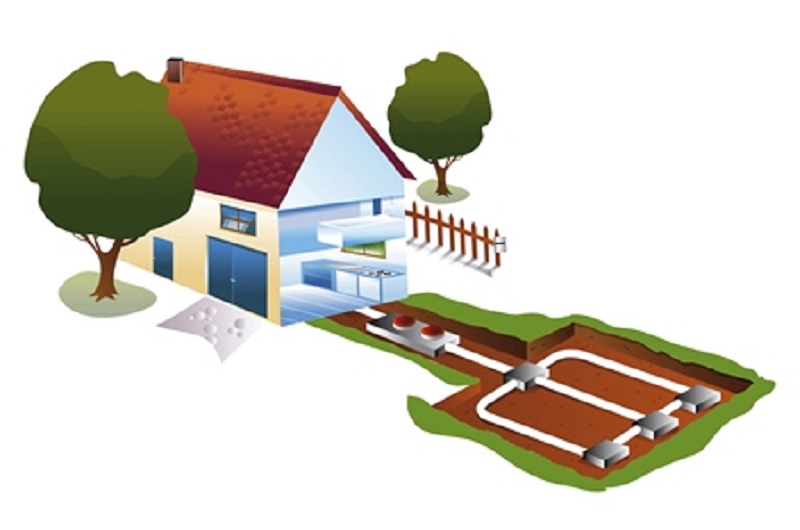
Geothermal systems typically involve a closed-loop system buried underground. This loop circulates a refrigerant that absorbs heat from the earth in the winter and releases heat back into the earth in the summer. Because the system is closed, there’s no direct exchange of air between the outside and inside of your home, which reduces the amount of outdoor allergens and pollutants that enter your living space. Furthermore, geothermal systems often incorporate advanced filtration systems that trap even the tiniest particles, further improving indoor air quality.
The Problem with Traditional HVAC Systems
Traditional HVAC systems, especially those relying on fossil fuels, present several challenges to indoor air quality.
Combustion Byproducts: Furnaces burning natural gas, propane, or oil produce combustion byproducts like carbon monoxide, nitrogen dioxide, and particulate matter. Poorly maintained systems can leak these pollutants into your home, posing serious health risks. Dust and Allergens: Forced-air systems circulate dust, pollen, pet dander, and mold spores throughout your home. This can exacerbate allergies and respiratory problems, especially for sensitive individuals. Ductwork Issues: Leaky or poorly maintained ductwork can harbor mold, bacteria, and dust mites, further compromising indoor air quality. Dry Air: Many traditional heating systems dry out the air, which can irritate the skin, sinuses, and respiratory tract.
Geothermal's Advantages: A Breath of Fresh Air
Geothermal systems offer a significant upgrade in terms of indoor air quality by addressing the shortcomings of traditional HVAC.
No Combustion: Geothermal systems don't burn fossil fuels, eliminating the risk of carbon monoxide poisoning and reducing the presence of other harmful combustion byproducts. Reduced Allergen Circulation: The closed-loop design minimizes the introduction of outdoor allergens into your home. Optional Advanced Filtration: Geothermal systems can be paired with high-efficiency particulate air (HEPA) filters or ultraviolet (UV) lights to further purify the air and eliminate harmful microorganisms. Balanced Humidity: Geothermal heat pumps can help maintain optimal humidity levels, preventing dry air in the winter and excessive humidity in the summer.
Ground Loop Maintenance and Air Quality
While the geothermal unit itself contributes to cleaner air, proper maintenance of the ground loop is crucial for continued system efficiency and, indirectly, air quality. A well-maintained ground loop ensures the system operates optimally, maximizing energy efficiency and preventing strain on the unit. Neglecting ground loop maintenance can lead to reduced performance, potentially causing the system to work harder and circulate air less effectively, impacting the overall air quality benefits. Regular inspections and, if necessary, maintenance by a qualified geothermal technician are recommended to ensure the system's longevity and performance.
How Geothermal Systems Reduce Allergens and Pollutants
Geothermal systems are designed to minimize the introduction and circulation of allergens and pollutants within your home. Here's how they accomplish this: Closed-Loop Design: Unlike traditional forced-air systems that draw in outside air, geothermal systems use a closed loop buried underground. This loop circulates a refrigerant that absorbs heat from the earth in the winter and releases heat back into the earth in the summer. Because the system is closed, there's minimal exchange of air between the outside and inside of your home, reducing the amount of outdoor allergens and pollutants that enter your living space. Advanced Filtration Options: Many geothermal systems can be equipped with advanced filtration systems, such as HEPA filters or UV lights. HEPA filters trap even the tiniest particles, including dust mites, pollen, and pet dander. UV lights kill bacteria, viruses, and mold spores, further purifying the air. Consistent Airflow:Geothermal systems provide consistent airflow, which helps to distribute clean air evenly throughout your home. This reduces the buildup of allergens and pollutants in specific areas.
Practical Tips for Maximizing Air Quality with Geothermal
Here are a few actionable tips to ensure you're getting the most out of your geothermal system in terms of air quality: Choose the Right Filtration System: Consult with your geothermal installer to select the appropriate filtration system for your specific needs. HEPA filters are ideal for removing allergens and particulate matter, while UV lights are effective at killing microorganisms. Regular Filter Replacement: Replace your air filters regularly, following the manufacturer's recommendations. Clogged filters reduce airflow and decrease the system's ability to remove pollutants. Professional Maintenance: Schedule regular maintenance appointments with a qualified geothermal technician. They can inspect your system for any issues that could affect air quality, such as leaky ductwork or malfunctioning components. Consider a Whole-House Air Purifier: For even greater air purification, consider adding a whole-house air purifier to your geothermal system. These devices can remove a wide range of pollutants, including volatile organic compounds (VOCs) and odors.
FAQ: Geothermal Systems and Air Quality
Does geothermal heating dry out the air?
Unlike traditional furnaces that can significantly dry out the air, geothermal systems tend to maintain a more balanced humidity level. This is because they don't rely on high-temperature combustion to generate heat. Some geothermal heat pumps even have dehumidification features to further control humidity levels, preventing both dry air in the winter and excessive humidity in the summer.
Can geothermal systems help with allergies?
Yes, geothermal systems can significantly reduce allergy symptoms. The closed-loop design minimizes the introduction of outdoor allergens, and the optional advanced filtration systems trap even the tiniest particles, such as pollen, dust mites, and pet dander. By reducing the amount of these allergens circulating in your home, you can experience significant relief from allergy symptoms.
How often should I change the air filters in my geothermal system?
The frequency of filter replacement depends on the type of filter and the air quality in your home. As a general rule, you should change standard air filters every 1-3 months. High-efficiency filters may last longer, but it's still important to inspect them regularly. If you have pets or allergies, you may need to change your filters more frequently. Consult your geothermal system's manual for specific recommendations.
Are geothermal systems expensive to maintain?
Geothermal systems are generally considered to have lower maintenance costs than traditional HVAC systems. They have fewer moving parts and a longer lifespan. However, regular maintenance is still essential to ensure optimal performance and air quality. This includes changing air filters, inspecting the ground loop, and cleaning the system's components. Scheduling annual maintenance appointments with a qualified geothermal technician can help prevent costly repairs and extend the life of your system.
Do geothermal systems remove odors from the air?
While geothermal systems with standard filters primarily focus on removing particulate matter and allergens, some advanced filtration systems can help reduce odors. Activated carbon filters, for example, are effective at absorbing odors and volatile organic compounds (VOCs). If odor removal is a primary concern, consider upgrading to a geothermal system with an activated carbon filter or adding a separate whole-house air purifier with odor-reducing capabilities.
Real-World Impact: Geothermal Air Quality Success Stories
Let's look at some examples of how geothermal systems have improved indoor air quality for homeowners: The Allergy Sufferer: Sarah, a homeowner with severe allergies, switched to a geothermal system and noticed a significant reduction in her allergy symptoms. The closed-loop design and HEPA filter in her system prevented pollen and dust from entering her home, allowing her to breathe easier and reduce her reliance on medication. The Family with Asthma: The Johnson family, whose son suffered from asthma, installed a geothermal system with a UV light to eliminate mold and bacteria. They reported a significant improvement in their son's breathing and fewer asthma attacks. The Eco-Conscious Homeowner:Mark, an environmentally conscious homeowner, wanted to reduce his carbon footprint and improve his indoor air quality. He installed a geothermal system and was pleased to find that it not only lowered his energy bills but also created a healthier living environment for his family.
These are just a few examples of how geothermal systems can improve indoor air quality. By eliminating combustion, reducing allergen circulation, and offering advanced filtration options, geothermal systems provide a healthier and more comfortable living environment for homeowners.
Investing in a geothermal system is more than just an upgrade to your HVAC; it’s an investment in your health and well-being. By choosing this sustainable home energy solution, you're not only reducing your carbon footprint and saving money on energy bills, but you're also creating a cleaner, healthier, and more comfortable home for yourself and your family. It’s a decision you can feel good about for years to come.
Posting Komentar untuk "How Geothermal Systems Improve Indoor Air Quality"