
How Geothermal Systems Function in Cold Climates
Imagine a world where the biting winds of winter have no effect on your home’s cozy temperature, and your heating bills are consistently, surprisingly low. This isn't just a dream; it's the reality many homeowners are experiencing with geothermal heating systems, even in the coldest climates.
Geothermal systems harness the Earth's consistent underground temperature to provide efficient heating and cooling. While it might seem counterintuitive that a system relying on ground temperature could work effectively in sub-zero environments, the truth is that the ground below the frost line maintains a relatively stable temperature year-round. This stable temperature, usually between 45°F and 75°F, becomes a reliable source of energy regardless of the weather above. Understanding how these systems function in cold climates can unlock significant home energy savings and contribute to a more sustainable lifestyle.
One simple yet powerful tip for maximizing your geothermal system's efficiency in winter is to ensure your home is properly insulated. By minimizing heat loss through walls, windows, and roofs, you reduce the workload on your geothermal system, leading to even greater energy efficiency and lower utility bills.
How Geothermal Systems Function in Cold Climates
Geothermal systems aren't just for mild climates; they're a surprisingly effective solution for even the most frigid environments. The key is understanding how they work and why they're so well-suited for providing consistent, efficient heating even when temperatures plummet. Let's delve into the mechanics of geothermal systems and explore how they conquer the challenges of cold weather.
The Science Behind Geothermal Heating
Geothermal heating, at its core, relies on the principle that the Earth's temperature remains relatively constant beneath the surface. Unlike air temperature, which fluctuates drastically with the seasons, the ground maintains a steady temperature. This constant temperature is a source of heat in the winter and a heat sink in the summer.
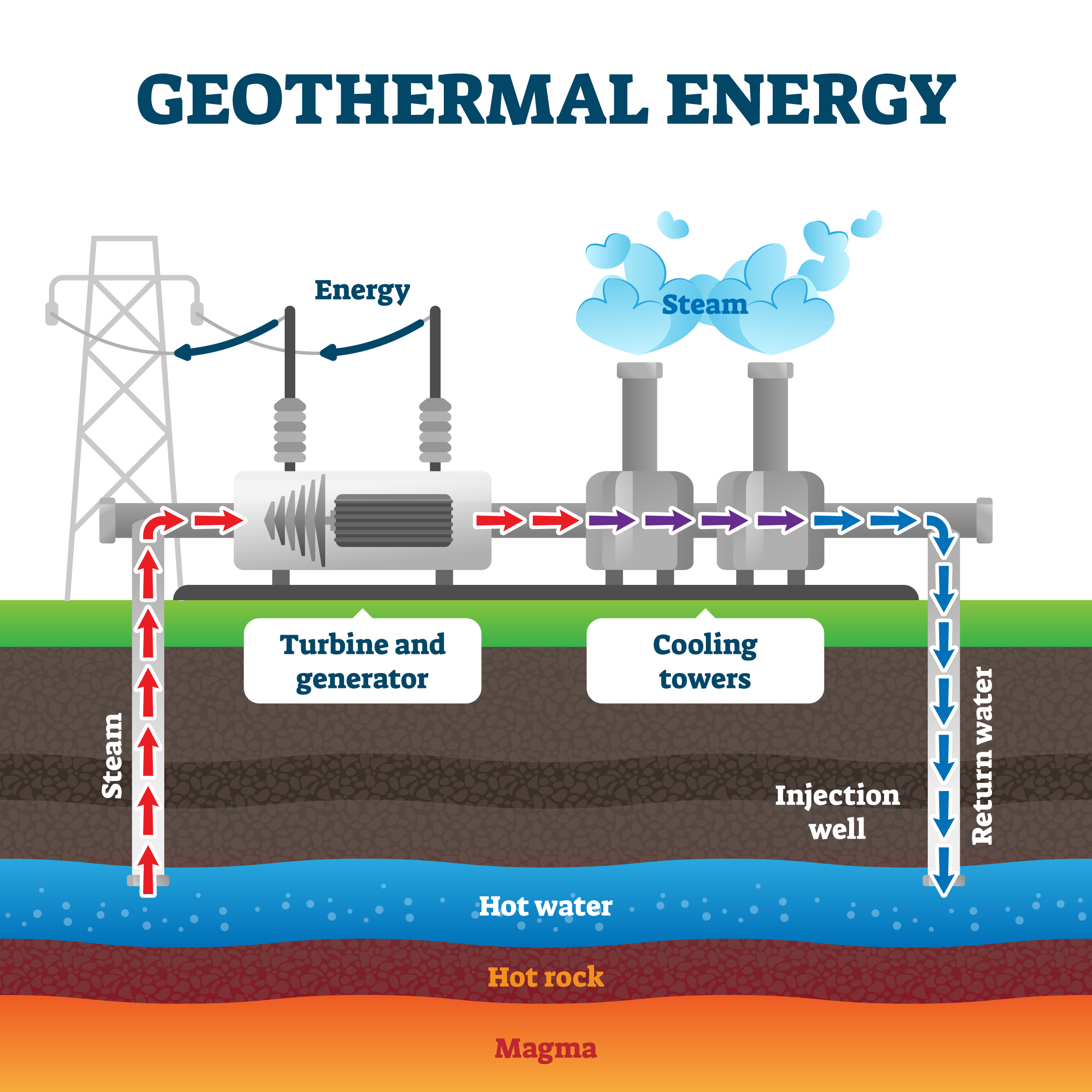
A geothermal system utilizes a network of underground pipes, called a ground loop, filled with a water-based solution. This solution circulates through the loop, absorbing heat from the Earth in the winter and transferring it to a heat pump located inside the home. The heat pump then concentrates this heat and distributes it throughout the house using a traditional ductwork system, radiant floor heating, or even a forced-air system.
In summer, the process is reversed. The heat pump extracts heat from the home and transfers it to the ground through the ground loop, effectively cooling the house. This makes geothermal systems a versatile and energy-efficient solution for both heating and cooling needs.
Different Types of Ground Loops
The effectiveness of a geothermal system depends, in part, on the type of ground loop installed. Here's a brief overview of the most common types: Horizontal Loops: These are the most common and cost-effective option, requiring trenches to be dug several feet below the surface. They are best suited for properties with ample land. Vertical Loops: These involve drilling deep, narrow holes into the ground, making them ideal for properties with limited space. While more expensive than horizontal loops, they offer greater efficiency and require less land disturbance. Pond/Lake Loops: These loops utilize a nearby body of water as a heat source and sink. They are the most efficient option if a suitable water source is available. Open-Loop Systems: These systems pump groundwater directly into the heat pump, extracting heat or rejecting heat before returning the water to the ground. Open-loop systems are less common due to their potential impact on groundwater resources and the need for careful monitoring.
Overcoming Cold Climate Challenges
While geothermal systems are inherently efficient, cold climates present unique challenges that need to be addressed for optimal performance.
Frost Line Depth: In areas with severe winters, the frost line can extend several feet below the surface, potentially impacting the efficiency of horizontal ground loops. To mitigate this, the loops need to be installed below the frost line to access stable ground temperatures. Groundwater Temperature: Extremely cold air temperatures can impact the temperature of shallow groundwater sources, reducing the efficiency of open-loop systems. Proper well design and maintenance are crucial to ensure a consistent water supply and temperature. Heat Pump Performance: The performance of the heat pump itself can be affected by extremely cold outdoor temperatures. Selecting a heat pump specifically designed for cold climates with a high coefficient of performance (COP) is essential for maintaining efficiency and heating capacity. Home Insulation: As mentioned earlier, proper insulation is paramount in cold climates. Reducing heat loss through walls, windows, and roofs minimizes the demand on the geothermal system, resulting in significant energy savings.
Real-World Examples and Case Studies
Let’s consider a hypothetical case study: The Miller family lives in Minnesota, where winter temperatures often plummet below zero. They decided to install a vertical geothermal system in their home. Before the installation, they relied on a traditional propane furnace, which resulted in high heating bills and concerns about carbon emissions. After switching to geothermal, their heating bills were reduced by over 60%, and they significantly lowered their carbon footprint. The initial investment in the geothermal system was offset by the long-term energy savings and the increased value of their home.
Another example involves a community center in Alaska that converted to a geothermal system. The center, which serves as a vital hub for residents, struggled with high heating costs due to the extreme cold. The geothermal system not only lowered their energy bills but also provided a more reliable and consistent heating source, ensuring the center remained a comfortable and welcoming space for the community.
Maximizing Energy Efficiency and Home Energy Savings
Here are a few practical steps you can take to maximize the energy efficiency of your geothermal system and achieve substantial home energy savings: Regular Maintenance: Schedule annual maintenance checks for your geothermal system to ensure optimal performance. This includes cleaning the air filters, inspecting the ground loop, and checking the heat pump's refrigerant levels. Programmable Thermostat: Install a programmable thermostat to automatically adjust the temperature based on your schedule. Lowering the temperature when you're away from home or asleep can significantly reduce energy consumption. Smart Thermostat: Consider a smart thermostat which learns your heating and cooling patterns and adjusts automatically for optimal efficiency. Many smart thermostats can also be controlled remotely from your smartphone. Proper Insulation: Ensure your home is adequately insulated. Focus on insulating walls, attics, and crawl spaces. Seal any air leaks around windows and doors. Ground Loop Maintenance: Inspect the ground loop periodically for leaks or damage. Consider having a professional perform a ground loop flush to remove any debris or buildup that could reduce efficiency. Optimize Landscaping: Avoid planting trees or shrubs directly above the ground loop, as their roots can potentially damage the pipes.
People Also Ask (FAQs)
How much does a geothermal system cost? The cost of a geothermal system varies depending on the size of your home, the type of ground loop installed, and the local installation costs. However, while the initial investment can be higher than traditional heating systems, the long-term energy savings and reduced maintenance costs often result in a lower total cost of ownership. Are geothermal systems noisy? Geothermal systems are generally quieter than traditional heating and cooling systems. The heat pump is typically located indoors and produces minimal noise. The ground loop is completely silent, as it operates underground. How long do geothermal systems last? Geothermal systems are incredibly durable and long-lasting. The ground loop can last for 50 years or more, while the heat pump typically lasts for 20-25 years with proper maintenance. Can geothermal systems provide hot water? Yes, many geothermal systems can be configured to provide domestic hot water. This can further reduce your energy bills and carbon footprint. Are there any government incentives for geothermal systems? Many governments offer tax credits, rebates, and other incentives for installing geothermal systems. Check with your local and national energy agencies to see what incentives are available in your area.
Embrace the power of geothermal energy and transform your home into an energy-efficient haven, regardless of how cold it gets outside. With the right system and proper maintenance, you can enjoy consistent comfort, lower energy bills, and a significantly reduced environmental impact for years to come. The transition to sustainable home energy is an investment in your future and the planet's well-being.
Posting Komentar untuk "How Geothermal Systems Function in Cold Climates"