
7 Steps to Improve Efficiency in Your Geothermal System
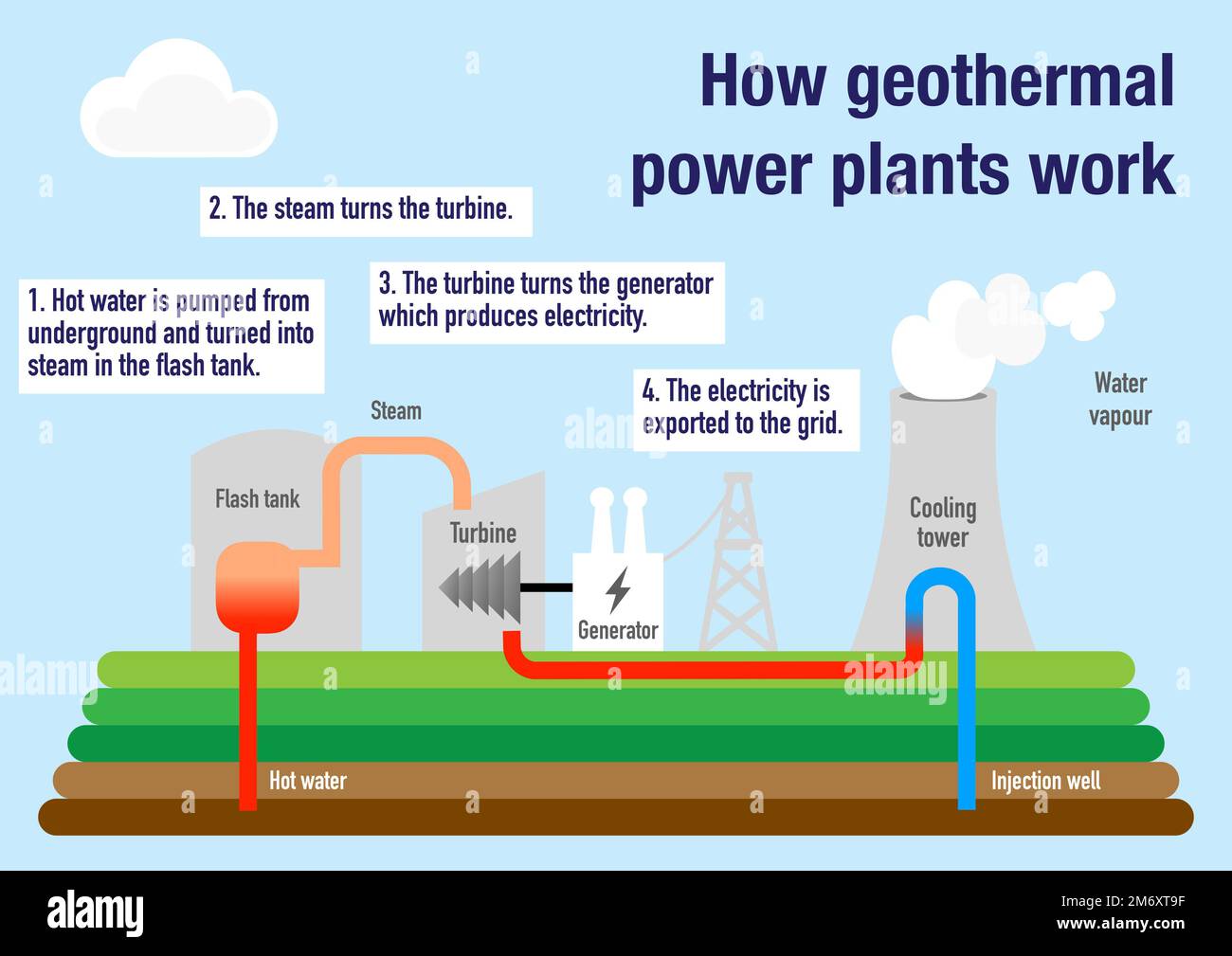
Are you looking to squeeze every last drop of efficiency from your geothermal system? It's more than just an environmentally sound choice; optimizing your geothermal setup translates directly into lower energy bills and a more comfortable, consistently heated and cooled home.
Geothermal systems, also known as ground-source heat pumps, are incredibly efficient ways to heat and cool your home by leveraging the earth's stable underground temperatures. However, like any sophisticated system, its performance can degrade over time if not properly maintained or optimized. This means you could be missing out on potential energy savings and a longer lifespan for your equipment. Improving efficiency isn't about massive overhauls; it's about strategic adjustments and proactive maintenance.
The good news is that boosting your system's performance often involves straightforward steps that you can implement yourself or with the help of a qualified technician. Let’s dive into seven key strategies to maximize the efficiency and longevity of your geothermal system.
7 Steps to Improve Efficiency in Your Geothermal System
A well-maintained and optimized geothermal system is a cornerstone of sustainable home energy. It provides reliable heating and cooling while minimizing your carbon footprint. These seven steps will help ensure you're getting the most out of your investment.
1. Schedule Regular Professional Maintenance
Just like your car needs regular check-ups, your geothermal system benefits significantly from professional maintenance. A qualified technician can identify and address potential issues before they escalate into costly repairs or significant efficiency losses.
What to Expect During a Maintenance Visit
Filter Inspection and Replacement: Dirty filters restrict airflow, forcing your system to work harder and reducing efficiency. Aim to replace them every 1-3 months, or as recommended by your technician. Coil Cleaning: Dust and debris accumulate on the indoor and outdoor coils, hindering heat transfer. Professional cleaning ensures optimal performance. Refrigerant Level Check: Incorrect refrigerant levels can dramatically impact efficiency and potentially damage the compressor. System Pressure Testing: Assessing the pressure within the system helps identify leaks or other issues affecting performance. Electrical Connection Inspection:Loose or corroded electrical connections can cause malfunctions and pose safety hazards.
A routine maintenance schedule, typically once or twice a year, is an investment in the long-term health and efficiency of your system. Think of it as preventative care for your home's climate control.
2. Optimize Your Thermostat Settings
Your thermostat is the control center of your geothermal system, and using it effectively is crucial for maximizing energy savings. A programmable thermostat allows you to set different temperatures for different times of the day, tailoring your energy use to your actual needs.
Smart Thermostat Benefits
Automated Scheduling: Set temperature schedules for weekdays, weekends, and even vacations. Remote Control: Adjust the temperature from your smartphone or tablet, no matter where you are. Learning Capabilities: Some smart thermostats learn your habits and automatically adjust the temperature based on your preferences. Energy Usage Monitoring: Track your energy consumption and identify areas for improvement.
Consider lowering the thermostat a few degrees when you're away from home or asleep. Even a small adjustment can make a noticeable difference in your energy bills. Aim for consistent temperatures rather than large swings, as this can strain your system and negate potential savings.
3. Insulate Your Home Properly
Adequate insulation is paramount for any heating and cooling system, but it's especially important for geothermal. Proper insulation minimizes heat loss in the winter and heat gain in the summer, reducing the workload on your system and maximizing its efficiency.
Key Areas to Insulate
Attic: The attic is a major source of heat loss in most homes. Ensure you have adequate insulation to prevent heat from escaping. Walls: Insulating exterior walls can significantly reduce heat transfer. Floors: Insulating floors, especially over unheated spaces like crawl spaces or garages, can improve comfort and energy efficiency. Ductwork: Insulate and seal any exposed ductwork to prevent energy loss as air travels through your home.
Consider an energy audit to identify areas in your home where insulation improvements can have the biggest impact. Sealing air leaks around windows, doors, and other openings is also crucial for preventing drafts and maintaining a consistent temperature.
4. Maintain Your Ground Loop
The ground loop is the heart of your geothermal system, responsible for exchanging heat with the earth. Proper maintenance is essential for optimal performance.
Key Ground Loop Considerations
Avoid Planting Trees or Shrubs Directly Above the Loop: Roots can damage the loop pipes over time. Ensure Proper Drainage: Waterlogged soil can reduce the loop's efficiency. Consider Professional Inspection: A technician can inspect the loop for leaks or other damage and ensure proper fluid levels. Monitor Loop Performance: If you notice a significant drop in efficiency, it could indicate a problem with the ground loop.
The type of ground loop (horizontal, vertical, or pond/lake) will influence the specific maintenance requirements. Consult with your installer or a qualified technician for guidance on maintaining your particular system.
5. Optimize Your Water Heater Integration
Many geothermal systems can be integrated with your domestic hot water system, preheating water and reducing the energy required to heat it to your desired temperature. Optimizing this integration can lead to significant energy savings.
Ways to Optimize Water Heater Integration
Ensure Proper Sizing: The geothermal system should be appropriately sized for your hot water needs. Optimize Water Heater Temperature: Lowering the water heater temperature slightly can reduce standby heat loss. Consider a Desuperheater:A desuperheater captures excess heat from the geothermal system and uses it to preheat water.
A well-integrated geothermal and water heating system can significantly reduce your overall energy consumption and lower your utility bills.
6. Upgrade to a Variable-Speed System
If you have an older geothermal system, consider upgrading to a variable-speed model. Variable-speed systems can adjust their output to match your heating and cooling needs, operating at lower speeds for longer periods, which is more efficient than cycling on and off at full power.
Benefits of Variable-Speed Systems
Increased Efficiency: Variable-speed systems are significantly more efficient than single-speed systems. Improved Comfort: More consistent temperatures and reduced drafts. Quieter Operation: Variable-speed systems operate much quieter than single-speed systems. Better Humidity Control: Variable-speed systems can remove more humidity from the air, improving comfort in humid climates.
While upgrading to a variable-speed system is a larger investment, the long-term energy savings and improved comfort can make it a worthwhile choice.
7. Seal Ductwork and Air Leaks
Leaky ductwork and air leaks around your home can significantly reduce the efficiency of your geothermal system. Sealing these leaks can prevent conditioned air from escaping and unconditioned air from entering, reducing the workload on your system.
How to Seal Ductwork and Air Leaks
Inspect Ductwork: Look for visible leaks in your ductwork, especially at joints and seams. Seal Leaks with Duct Tape or Mastic: Use high-quality duct tape or mastic sealant to seal any leaks you find. Seal Air Leaks Around Windows and Doors: Use caulk or weatherstripping to seal air leaks around windows and doors. Seal Air Leaks Around Pipes and Wiring: Use expanding foam to seal air leaks around pipes and wiring.
Sealing ductwork and air leaks is a relatively inexpensive way to improve the efficiency of your geothermal system and reduce your energy bills.
FAQ: Geothermal System Efficiency
Here are some frequently asked questions to help you understand how to keep your geothermal system running at its best.
How often should I have my geothermal system serviced?
A professional maintenance check once or twice a year is generally recommended. This allows a technician to identify and address potential issues before they become major problems, ensuring optimal performance and longevity.
What are the signs that my geothermal system isn't running efficiently?
Signs can include higher-than-usual energy bills, inconsistent temperatures throughout your home, unusual noises coming from the system, and longer run times to achieve your desired temperature.
Can I improve my geothermal system's efficiency myself?
Yes! Simple tasks like regularly replacing air filters, optimizing thermostat settings, and sealing air leaks can significantly improve efficiency. However, more complex maintenance, such as refrigerant checks or ground loop inspections, should be handled by a qualified technician.
Does the age of my geothermal system affect its efficiency?
Yes, older systems are generally less efficient than newer models. Technological advancements have led to more efficient compressors, heat exchangers, and other components. If your system is over 15 years old, consider whether an upgrade might be beneficial.
What role does the ground loop play in geothermal efficiency?
The ground loop is critical. It facilitates the heat exchange between your home and the earth. Proper loop maintenance, including ensuring proper drainage and avoiding planting trees or shrubs directly above it, is essential for optimal system performance.
Taking these steps may seem like a lot, but even implementing a few of these strategies can lead to noticeable improvements in your geothermal system's efficiency. By taking a proactive approach to maintenance and optimization, you're not only saving money on your energy bills but also contributing to a more sustainable future. With a little effort, you can ensure your geothermal system provides reliable and efficient heating and cooling for years to come.
Posting Komentar untuk "7 Steps to Improve Efficiency in Your Geothermal System"